Why stress, What stress, How stress!

Just today, I lost possession of my phone for a short while. I was quite upset, in fact so upset that I developed some gastritis with severe pain in my tummy. And also today in the case folder of one of my patients, I saw a small scribble on stress that I had made in his case file to help him cope with the situation in his life. So I thought it would be the right time for me to rethink my response to my stress and see how I can deal witth them in a better way in the future and to put down my thoughts on paper. I hope you enjoy reading this article and get something useful out of it.

Stress is usually not something someone does to you but is actually something that you do to yourself when faced with an unpleasant situation or a person or have to make a tough decision. We need to make decisions in every situation in our lives. To stand or to sit, to talk or to stay quiet, to run or to fight. Quite often, we are stuck and find ourselves paralysed and indecisive because we think too much of the consequences of our impending decisions and actions. For example today when my phone went missing, initially I was extremely worried because the phone contained all my passwords and I was worried of the consequences of what would happen if it got into the wrong hands. It took me a while to realise that the missing phone was an iPhone with a complicated password that very few people knew and also that I would be able to lock it remotely if I lost it forever. However the phone had just fallen out of my pocket near my clinic and it was returned to me by those who found it.

Let’s look at the stress diagram below. It is said that a picture can say a 1000 words!
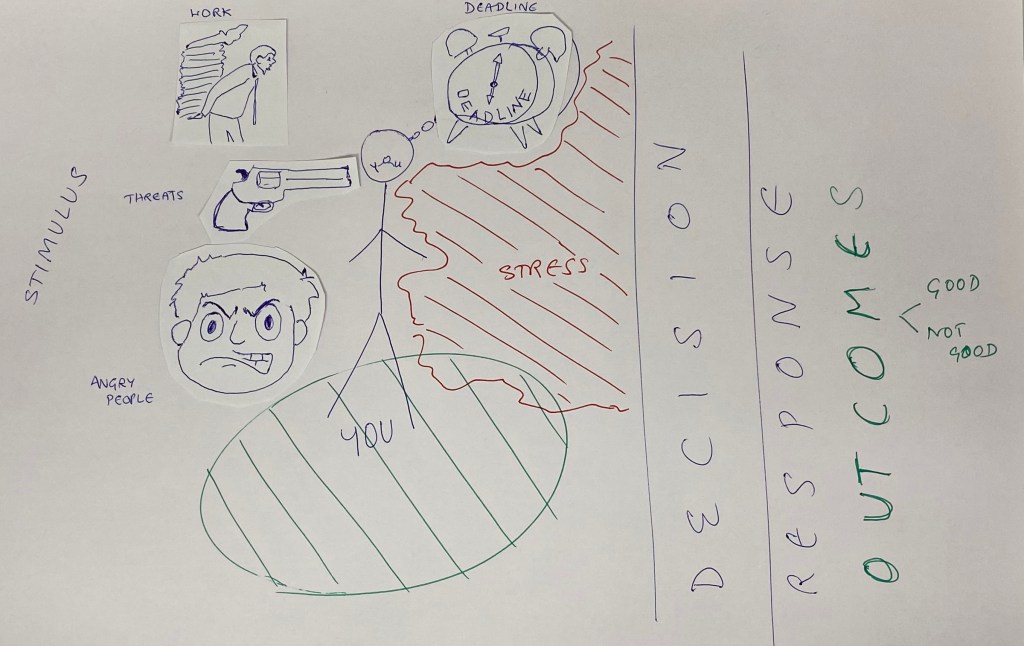
Stress is what happens to you when you are faced with a difficult situation. Stress is what happens to you before you make your mind up, before you make your decision to take action! Every stimulus demands an action. And in this gap lies STRESS! Most of us think about what happens after our actions and worry if the decision and subsequent actions are the best options to take and of how it would affect us! So fear sets in before the decision is made, adrenaline is secreted in the body, the heart starts to race, the BP shoot skywards and a whole set of stress hormones are released causing palpitations, headaches, sweating, tiredness and more. Once the decision is taken, the pressure is off and things slowly return to normal. When this happens repeatedly, it damages the body from within causing various diseases. (hypertension, diabetes, heart attacks, strokes etc).

I could make a few recommedations to you on how to handle stress.

1. The first way would be to take your own time to respond to a particular stressor. Most often we are under pressure to react immediately. e.g., if someone hits the car you are driving from behind, most of us would react by flying into a rage, confronting the offender, abusing him and sometimes even throwing punches. What if you could keep your cool, empathise with the other person and DECIDE not to lose your temper no matter what! If you could handle this situation without losing your temper you could reduce stress considerably. You could decide to give 10 min before your reaction.

2. Having a positive and happy outlook to life will also reduce your stress levels significantly. I have a friend who constantly broods that the world (or the system that is currently running our world) is coming to an end and that there will be anarchy and mayhem. Such a negative worldview would definitely handicap your handling the difficult situations in your life. How bad can life be if you imangined that the whole world is conspiring against you and people are out to get you!

3. Dont worry about consequences when you are choosing your decisions and actions. Decision paralysis leads to stress. Decisions can be changed and your course can be corrected at a later time. Nothing is final and nothing would cause irremediable harm to anyone. Staying in motion reduces stress so make your decisions and take your actions, correct course if you dont like the results of your decision but move on! Dont Stop!

4. You can only change yourself! You cant change anyone else in this world. A story has been told about a man who tried to change the world in his youth. In his middle age, he decided that the world could not be corrected and so decided to change his children. In his old age , he realised that he couldnt change his children and so attempted to change his loving wife of 50 yrs (unsuccessfully). Only on his deathbed did he realise that his life would have been very much easier if he had changed himself instead of trying to change others. So dont expect the world to change for you and you can change if you dont allow your ego to stop you.

5. Ask for help. You will be surprised how many will turn out to help you when you ask them to! The world is full of good people wanting to help their friends. Having helpful friends will reduce stress.

6. Always be on solution mode. Thinking of problems all the time leads to stress. Find solutions to problems, take decisions and don’t expect your decisions to be perfect. If you are wrong, apologize unreservedly and move on. Ask for help unashamedly. You only live once, why stress about anything. After you have made your best choice/ decision, accept whatever follows and keep moving.

7. Exercise daily and exercise well. A fit body can handle all the stress that life throws at it.

Coffee in the news!

Coffee is a stimulant with caffeine as the active ingredient. It acts by activating the central nervous system. It can counteract tiredness and improve concentration and focus. Caffeine has very many effects on the body apart from increasing mental alertness. It can also cause an increase in the heartrate, BP and can make you feel warm on a cold day Caffeinated drinks, especially coffee, teas (regular as well as green tea) energy drinks and colas are popular throughout the world and are drunk by people of nearly all age groups. Below are excerpts from a few articles about coffee that I have recently read online, which may be of interest to you. If so …….read on.

Daily coffee intake may benefit the heart

There used to be a time when coffee was believed to be harmful to the heart and was discouraged. But recently even people who have suffered a heart attack are not denied their daily cuppa. Even in those without heart disease, drinking coffee can increase the heart rate and some people worry that this could trigger off a heart attack or an arrhythmia (palpitations). Recently there was a publication by the American College of cardiology reporting that coffee intake specially 2-3 cups a day may actually be good for the heart. In the UK they has followed patients for a 10 year period They divided patients into groups according to the number of cups of coffee that they consumed. The groups were <1, 1 to 2 cups,2-3 cups, 4 to 5 cups and lastly 5 or more cups a day and they found that, those who had 2-3 cups of coffee a day had a 10 to 15% lower risk of developing heart disease (coronary heart disease), heart failure, heart rhythm problems and from dying from any cause. In another study done on people already having some kind of cardiovascular disease at baseline, 3 cups a day was associated with a lower risk of dying. So the take home message was that having 2-3 cups of coffee a day may actualy do you good in the long run.

Drinking 2 or more cups of coffee by patients with severe hypertension ups the mortality!
This article was published in the Journal of the American heart association reported from Japan found that when hypertensive people (defined as those with BP >160/100) who take 2 or more cups of coffee had a higher death rate. This is not seen in people who take less in 1 cup of coffee or people who had well controlled or NO severe hypertension.

High caffeine levels may lower body mass index, fat index and type 2 diabetes risks!
A study done from Sweden had shown that 2 gene variations results in genetically predicted lifelong higher caffeine concentration in the blood and this was associated with a lower body mass index, lower body fat mass and a lower risk for diabetes mellitus. 50% of the benefits in preventing diabetes comes from reduction of the body mass index or a body weight. Coffee has been known to be thermogenic. I.e. it increases the fat burn. The authors cautions that further studies need to be done before linking caffeine consumption with prevention of diabetes, i.e. it does not prove cause and effect relation between caffeine and and diabetes prevention.

Although there may seem to be many contradictions regarding the benefits of coffee in health , this may be due to different study populations, different methodologies and dfferent interpretations. It may be safe to conclude that coffee consumption is indeed safe. Despite coffee’s various effects on the body it may have some benfits to those driniking it. However, based on currently available evidence in medical literature, it probably cannot be recommended to non drinkers (of coffee) to improve their health at this point in time.

In the News – March 2023

NEW COVID variant cause sticky red eyes!
There is a new Covid variant named Arcturus which in some people’s opinion gives children itchy or sticky eyes similar to conjunctivitis. Previously the so-called “Madras Eye” used to be caused mostly by Adeno virus. Arcturus Virus used to be called Omicron subvariant XBB.1 .16 has landed on the WHO’s radars after surfacing in India. It has been touted by many as the “one to watch” virus for this year.

HIV cured by stem cell transplantation.
53-year-old man who was suffering from acute myeloid leukaemia in 2013 was treated with stem cells known to have an HIV resistant mutation. Researchers had found that the immune cells in the patient’s body has reacted to the HIV virus and has stopped its multiplication . This patient was declared cured of HIV and has since stopped taking ART (antiretroviral therapy). This man referred to as the “Düsseldorf patient” is the fifth person to be declared cured of HIV in the world. However, this treatment with stem cell transplantation is unlikely to be offered to HIV positive patients who don’t have leukaemia. It is believed that there are 38 million people worldwide living with HIV at this point in time.

Chickpea flour bread can keep you fuller for longer and reduce your sugars if you are diabetic!
Bread made with new ingredients I.e.,chickpea flour has been shown to reduce blood sugar levels after eating and also helps to keep people feeling full for a longer period of time. This obviously has great benefits for people with diabetes and are overweight. Replacing 30% of the wheat flour with chickpea flour has been shown in a recent study to release certain satiety signals from the gut to the brain thereby making people feel fuller . This is also shown to reduce the post meal blood glucose rise by up to 40% after having this special bread made of chickpea flour. This is in keeping with the usual advice for diabetics and those are overweight to reduce their consumption of refined or polished grains and increase their intake of high fibre containing foods. Legumes like chick peas are also being widely recommended for the same reasons in that they have more complex Carbohydrates (difficult to digest) associated with a reduction in the post meal blood glucose spikes and they ofcourse give you more proteins, especially for Diabetics and vegetarians.

Why does Hairfall?

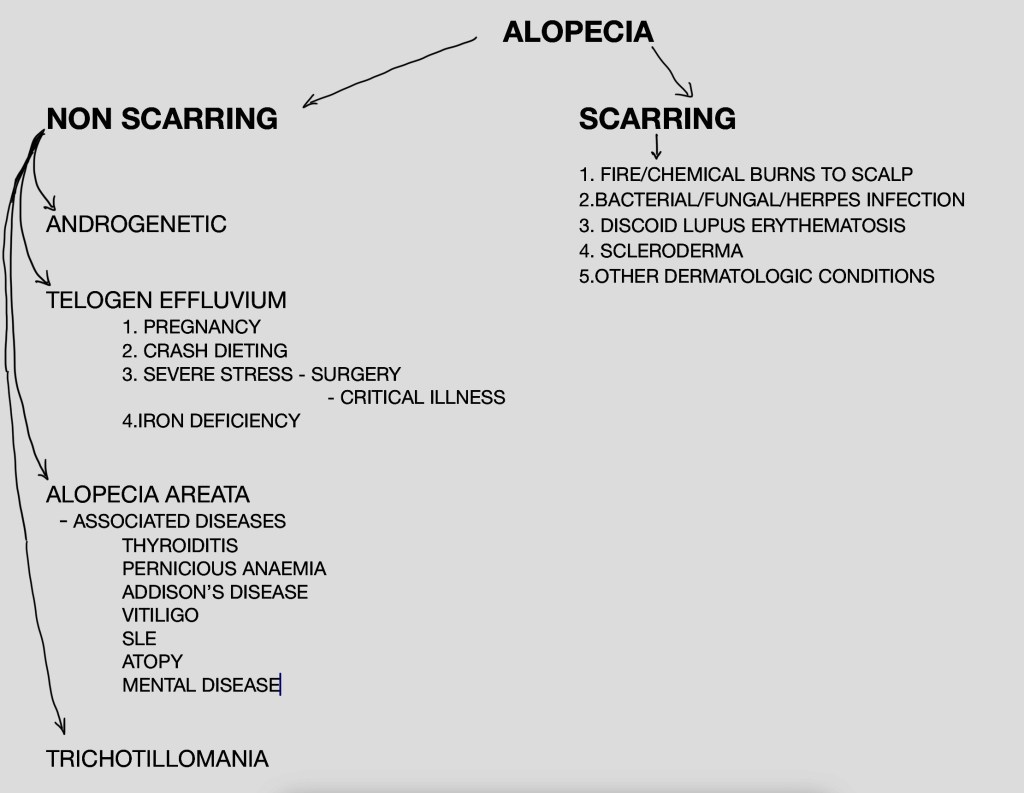
Alopecia or hair loss can be divided into 2 main categories.

Non-scarrring alopecia is diagnosed when there is obvious hairloss and on close examination of the scalp, hair follicles are clearly visible. This form of alopecia is often reversible.

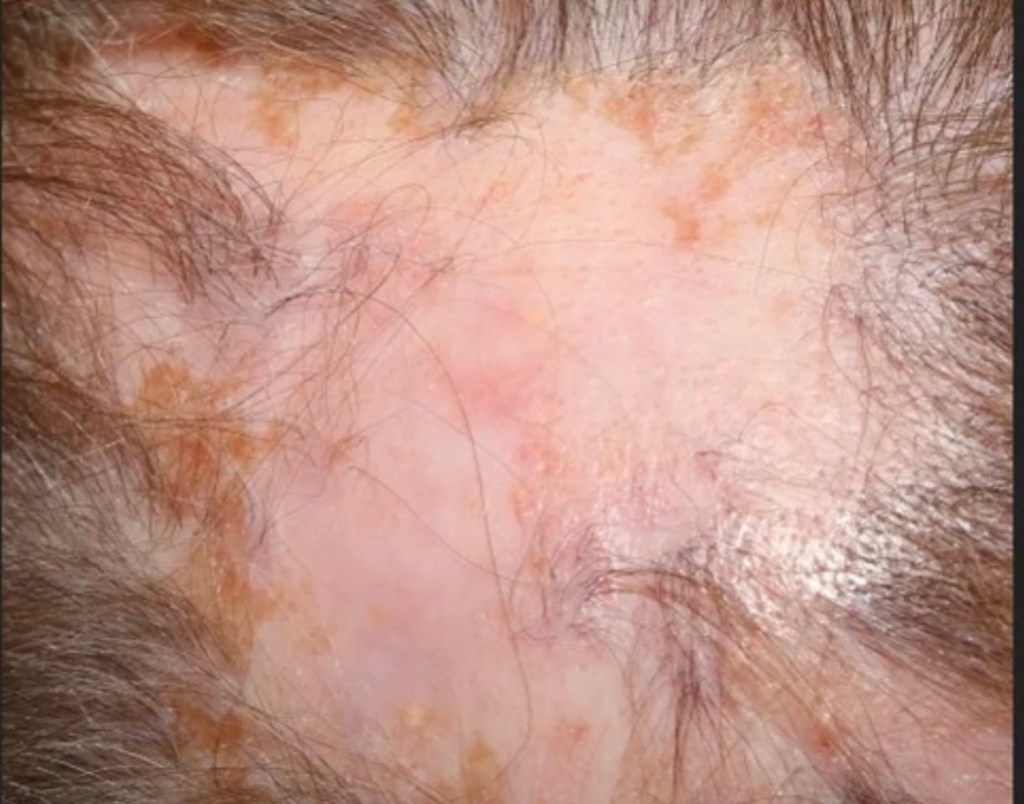
Scarring Alopecia occurs when the full thickness of the scalp is damaged from a variety of causes leading to scarring and typically scars lose their hair follicles and the skin appears smooth. Scarring alopecia is permanent and nothing can reverse the damage done.

Scarring Alopecia demonstrating smooth scalp with loss of follicles

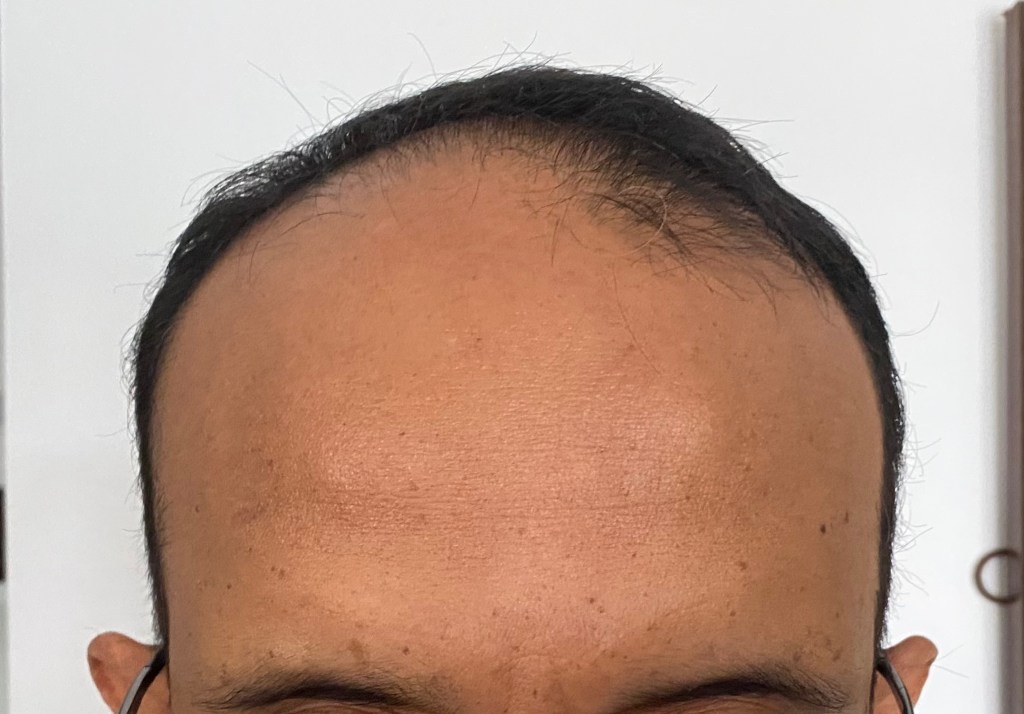
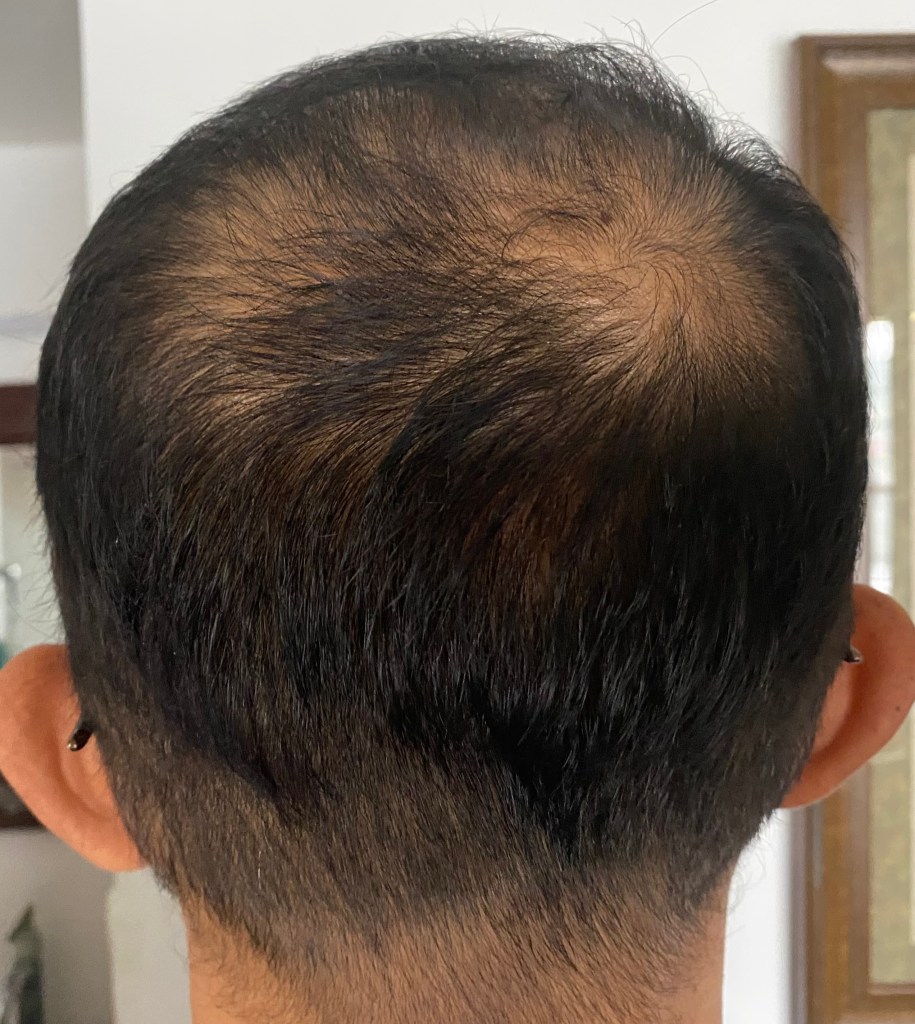
Androgenetic alopecia occurs in both men and women. Typically the hairline may receded (at the temples) and hair loss may become obvious either as thinning of hair “on the top” or as balding of the crown (top of the head).

Androgenetic Alopecia

Telogen effuvium refers to resting hair. Severe stress (to the body) from any cause leads to cessation of growth of the hair follicles and therefore hair becomes weak and falls. Apart the causes already mentioned in the box above oral contraceptive use, cancer, high fevers due to infections can cause this kind of hairfall.

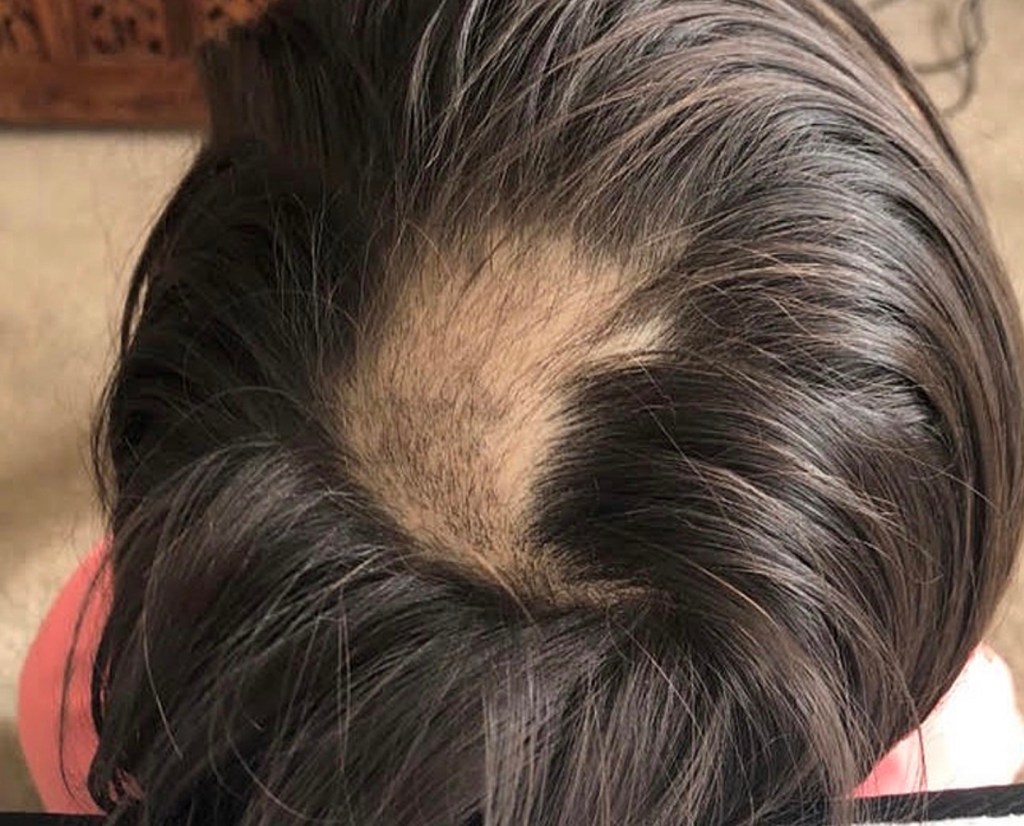
Alopecia areata is a kind of alopecia that is believed to be due to a unknown autoimmune disease process. Typically the hair is broken near the skin giving rise to the typical exclamation mark hairs. Clearly circumscribed areas of hairfall are noted on the scalp. Alopecia areata totalis is when there is complete hair loss from the head including the eyebrows and lashes.

Alopecia areata with classical exclamation mark hairs.

Trichotillomania refers to predominently unilateral (on the side of the dominant hand) hairfall due to habitual,probably absent minded pulling on the hair.

Traction alopecia is often see in girls who tie their hair tight.

Traction alopecia

Other scalp conditions such as fungal infections, dandruff etc can also cause significant hairloss.

Investigations that may be useful in people with hairfall include:

Routine screening tests: CBC, ESR, LFT, RFT-E, Lipid, Urine complete.

Specific tests: Serum Iron, Transferrin saturation, Ferritin, serum Testosterone, DHEAS,TFT,Vit D, Vit B12, Folate.

Other tests that may be done on doctors discretion: Thyroid antibodies, ANA, Fasting cortisol assays and scalp (skin) biopsy.

Usual treatment that is offered to patients who have hairfall!

Minoxidil 5% hair lotion to be applied twice daily and Tab.Finasteride 1% (for men) and upto 2.5% fo women for upto a year can lead to dense hair growth and can be tried for all forms of nonscarring alopecia.

Intralesional steroids or oral steroids is given to patient with alopecia areata. Oral JAK inhibitors like Tofacitinib and Ruxolitinib are also being used for AA.

Counselling and prescription of N-Acetyl cysteine 1200-2400mg orally every day for 3 months can be effective for Trichotillomania.

What supplements may be beneficial for hair fall?

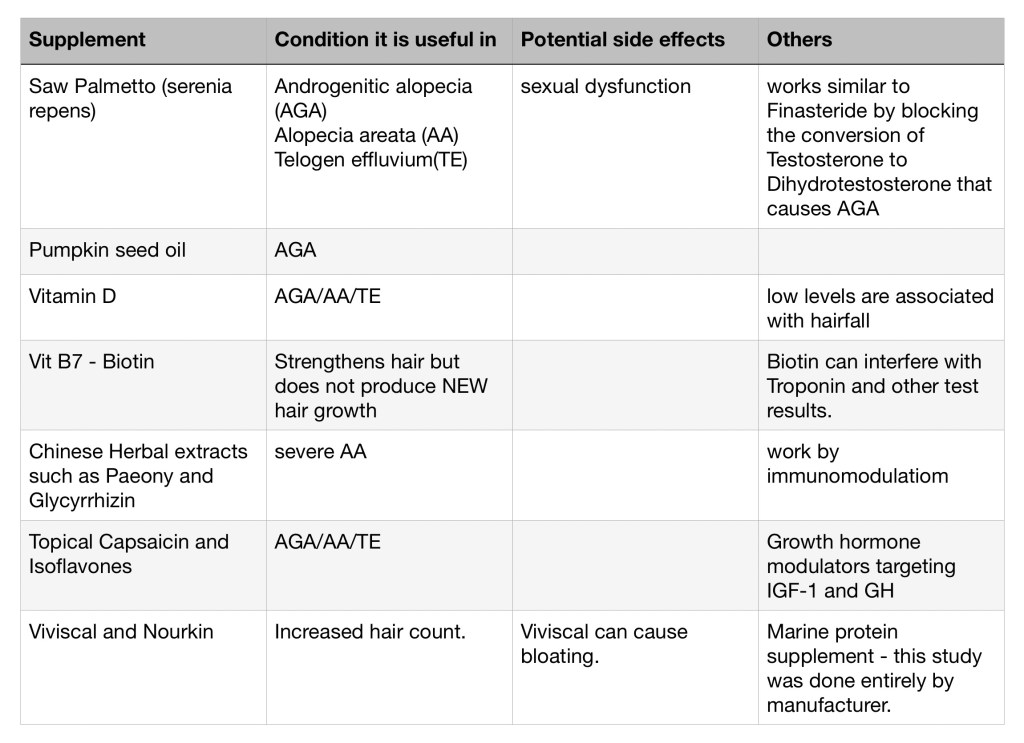
Very many people take supplements for hairfall. I came across a recent article where the authors had screened 6000 odd citations and selected 20 articles with relevant information about use of supplements for hair fall. Here are the excerpts from the article.

Things to do before starting yourself on supplements for hairfall/loss are: Consult your doctor and discuss the pros and cons of supplementation, get some blood tests to identify deficiencies of vitamins, minerals and other nutrients accept that supplements may not have predictable effects and that they may also have some side effects.

Supplements that may be effective for hairfall.

Why do we develop Goitre?

Enlargement of the thyroid gland is called Goitre. The thyroid gland is situated in the front of the neck on or just below the thyroid cartilage (Adam’s apple). The thyroid gland is made up of lobules, each of which has 20-40 follicles. The follicles are lined by epithelial cells and contain in their centre, colloid (Thyroglobulin).

The thyroid gland produces two thyroid hormones, T4 which is converted to the active T3. These are mostly bound to carrier proteins that transport them to every corner of the body. These proteins maintain an constant blood level of free hormones for use by the cells of the body. The hypothalamus senses the amount of thyroxine in circulation and adjust the dose of TRH (Thyrotropin releasing hormone) secreted. TRH stimulates the anterior pituitary gland to produce TSH (Thyroid stimulating hormone) which sits on the receptor on the thyroid cells and stimulate the production of T4 and T3 from Thyroglobulin in the colloid centres of the follicles. These hormones by a negative feed back mechanism inhibit the TRH production. In this way, the levels of thyroid hormones are closely controlled by the Pituitary gland (the master gland of the body).

Thyroid hormones play a very important role of contolling the body’s metabolism and energy generation. It stimulates the breakdown of carbohydrates and fats and increases protein synthesis in all the cells of the body. Thyroxine plays a critical role in the development of a baby’s brain.

The thyroid gland is controlled and maintained by the TSH hormone. If for any reason, the production of T4 is affected, the increased TSH released, stimulates the growth of the thyroid gland in order to increase hormone production resulting in the development of a goitre.

Initially under the influence of TSH, the follicles start to grow (hyperplastic phase)where the goitre is diffusely and symmetrically enlarged (with a smooth surface) and later on they start involuting and get filled up with colloid. With continued stimulation by TSH, certain follicles enlarge excessively (due to relative increased sensitivity to TSH) to produce a large irregular (bumpy) gland called a multinodular goitre. The rapid growth of the follicles can lead to rupture,scarring, calcification and haemorrhage (with a sudden increase in size).

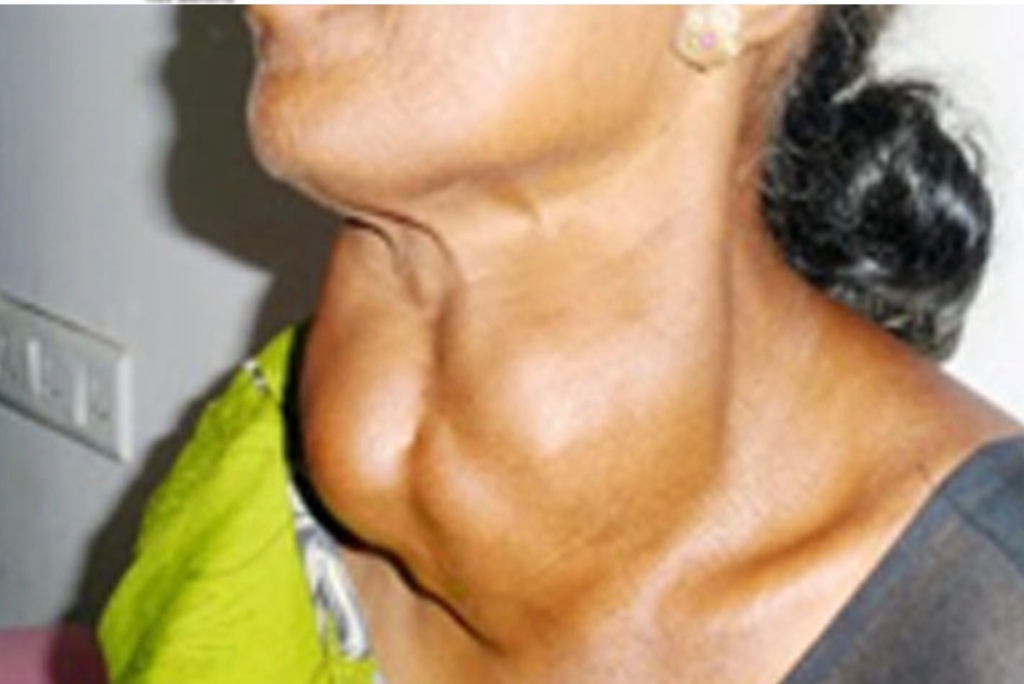
Goitres of this size are pretty common in a doctors practice!
A large multinodular goitre!
Common causes for Goitre

Large goitres apart from looking unsightly, may press on neighbouring structures in the neck to produce a variety of symptoms. Often a spontaneous bleed into the goitre can lead to a sudden increase in size and provoke discomfort in a hitherto asymptomatic person. I myself developed a thyroid lump overnight after being elbowed by my son, about 10 yrs ago when I was playfully wrestling with him. This was aspirated (bloody fluid was removed with a syringe) with complete resolution of the swelling. Compression of the esophagus could cause diffculty in swallowing. I had a patient recently who had a mass pressing the esophagus from the side. After extensive evaluation it was confirmed that it was of thyroidal origin and she was recommended surgery. Her neck was completely normal looking without any swelling whatsoever. But the goitre had grown downwards into the chest.

Compression of the wind pipe (trachea) could cause difficulty in breathing and stridor (noisy breathing). Thyroidal swellings could also cause hoarseness of voice due to compression of the nerve supplying the vocal cords (usually due to a malignant thyroid). The superior vena cava (the largest vein in the neck) could be compressed causing Superior Vena Caval syndrome with symptoms of congestion of the face, distension of the veins of the neck and a “bursting” headache on bending down! Large goitres could also harbour cancer.

How do you know if the neck swelling that you have is a Goitre? All thyroid masses move upwards on swallowing as the thyroid gland is enveloped by the deep fascia of the neck and is connected to which the thyroid cartilage of the larynx which moves upwards during swallowing.

An overactive thyroid may present with the following symptoms: increased appetite, increased sweating, heat intolerence, diarrhoea, palpitations, weight loss, reduced menstrual flow.

An underactive thyroid may present with reduced appetite, weight gain, cold intolerence, constipation, slowed heart rate and mental activity, increased body weight and increased menstrual blood loss.

Ofcourse, you may have no symptoms if your thyroid levels are normal (Euthyroid state).

What are the indications for surgery for someone with a thyroid mass?

The following are indications for surgery:

1.Large goitre with pressure symptoms.

2.Cosmetic reasons and if patient wishes for surgery.

3.Hyperthyroidism due to toxic adenoma.

4.When an FNAC is done and if cancer is suspected or proven – surgery is indicated if the patient is elderly, male, with a hard thyroid mass which is fixed to the neck structures, with a hoarse voice or with enlarged lymph nodes in the neck.

So if you have a thyroid swelling, see your doctor who may arrange some tests and the have a discussion with him/ her as to what you must do further.

Intermittent Fasting

Intermittent Fasting is a method of voluntary fasting, usually for a certain number of hours a day with a specific goal to reduce body weight and change body shape or to achieve certain metabolic endpoints. Although it is quite a new fad the reason why it is gaining popularity is the thinking that for primitive man, food would have been scarce and that he would have had to go without food for prolonged periods of time. So Intermittent Fasting as apposed to frequent feasting (as we do in the 21st century) may actually have been the way we humans were biologically designed to eat. And that the habit of having three square meals and innumerable snacks in between is a modern one and probably the one that is causing an explosion of lifestyle diseases starting with the obesity and then progressing onto dyslipidaemia, hypertension, diabetes, cardiovascular disease and finally cancer. Further everything we do culturally and socially involves food and this therefore makes it very difficult for most of us to even consider Intermittent Fasting as a choice for better health (would you call it a party if food wasnt supplied by the host??). For a long time, I was a sceptic of intermittent fasting methods but the more I read and saw, the more I tended to believe in its benefits. Recently an uncle who at 85 yrs is a retired doctor and a national level athlete spoke about following a 18:6 IF regimen and triggered my interest in researching the medical evidence for IF. So here are some extracts and excerpts from what I have read.

What are the popular I.F regimens?

Daily time restricted feeding i.e., fasting for >12 hrs a day, alternate day fasting and 5:2 intermittent fasting (starving 2 days each week and eating normally on other days) are the. 3 most popular methods of IF.

So what happens in the body when you start Intermittent Fasting?

During I.F the energy producing mechanisms essentially change from being glucose based to one dependant on ketone bodies. All food that is digested is stored in the the liver as glycogen. Glycogen is essentially a long string of glucose molecules bound togetherin chains. In times of need, individual molecules of glucose are released for the use of the body. When one does intermitted fasting, the glycogen stores are already depleted and so the body starts to dissolve the fat stores by releasing triglycerides which are converted to Ketone bodies in the liver. Ketone bodies are a denser source of energy for a variety of cells especially for the brain. Ketone body production starts to rise only after 8-10 hours of fasting suggesting a minimum of 12 hrs of fasting for any real benefit from I.F. Switching to Ketone bodies to provide energy results in reduced respiratory exchange ratio i.e., reduce usage of O2 and therefore reduced production of Carbondioxide, representing a more efficient process for production and usage of energy.

While it is not clear if the benefits of IF are due to simply weight loss alone or because of metabolic switching, the many benefits of IF include improved glucose regulation, improved blood pressure and heart rate control, improved endurance training and loss of abdominal fat and body weight. Other benefits include increased life span, improved memory, balance and coordination (in Alzheimers and Parkinson syndrome), reduced blood pressure, lipids and reduced occurence of spontaneous cancers and slowed growth of certain other cancers.

So what are the cellular changes brought about by I.F?

Reduced Oxygen usage in ketone body metabolism results in reduced production of corrosive free radicals and therefore reduced oxident mediated cellular damage. Ketone bodies have an effect in suppressing inflammation and reducing cellular stress and improving specific tissue growth and plasticity. Ketone bodies are potent signaling molecules and regulate the expression of various proteins and molecules that are known to influence health and aging. (PGC-1gamma, Fibroblast factor 21, NAD, sirtuins, PARP1 and ADP ribosyl cyclase).

IF and Obesity and Diabetes:

Compared to women who only reduced their food intake by 25%,women who followed a 5:2 IF program had a greater increase in insulin sensitivity and reduction in waist circumference although both groups showed equal overall weight loss. In young men who fast fo 16hrs a day and hit the gym for weight training have fat loss along with preserved muscle mass. IF is as effective as standard diets for weight loss. In rat models, IF is associated with greater muscular endurance.

Weight loss with IF is associated with improved insulin sensitivity and improved diabetic retinopathy. Markers of inflammation have also been noted to reduce especially in patients with Rheumatoid arthritis.

IF and Cardiovascular disease:

IF brings about reductions in Blood pressure, reduces heart rate and increases heart rate variability. Lipid profile also improves with reductions in the levels of LDL, Triglyceride and increase in HDL values. Improved indicators of cardiac health were noted as early as 2-4 weeks of starting IF.

IF and neurological disease:

In experimental animal models of IF hadve shown delayed onset of Alzheimer’s disease and Parkinson’s disease. IF increased neuronal stress resistence by bolstering mitochondrial function and DNA repair. GABAminergic transmission is enhanced and this can prevent seizures activity. IF reduces autoimmune demyelination in mouse models of multiple sclerosis and after traumatic and ischaemic spinal cord injury and leads to improved functional outcomes. In humans, IF has shown to improve memory (verbal spatial and working memory).

IF and Cancer:

IF reduces the occurence of spontaneous cancers and also my other types of induced cancers in mouse models. Calorie restriction with IF impairs energy metabolism of cancer cells, reducing their growth and rendering them suseptible to chemotherapy. Several studies with Glioblastoma suggest that intermittent fasting can suppress tumour growth and extent survival.

Suggested regimens for daily time restricted feeding

Month 1 10 hr feeding period 5 days a week

Month 2 8 hr feeding period 5 days a week

Month 3 6 hr feedine period 5 days a week

Month 4 6 hr feeding peiiod 7 days a week

Suggested regimen for 5:2 Intermittent Fasting

Month 1 1000Kcal 1 day a week

Month 2 1000 Kcal 2 days a week

Month 3 750 Kcals 2 days a week

Month 4 500 Kcals 2 days a week

Celebrities who have used Intermittent fasting to reduce their weight.

Why do some men develop breasts and what can be done about it?

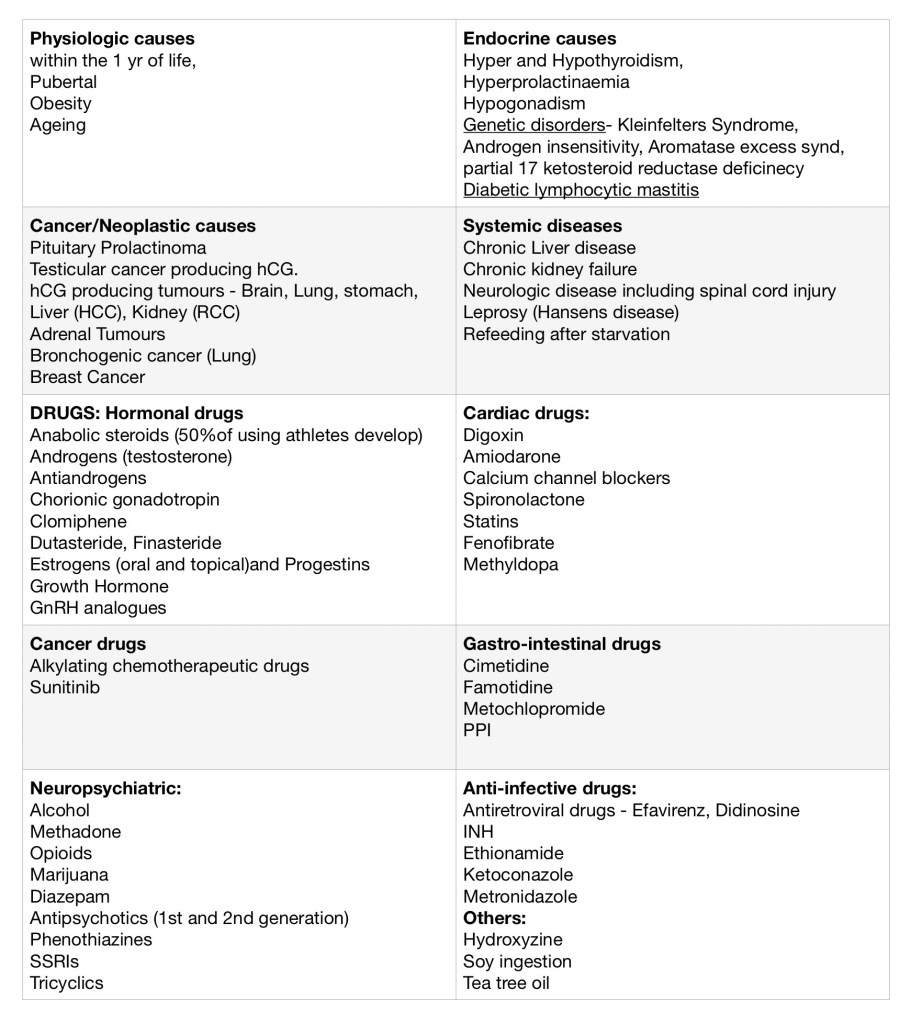
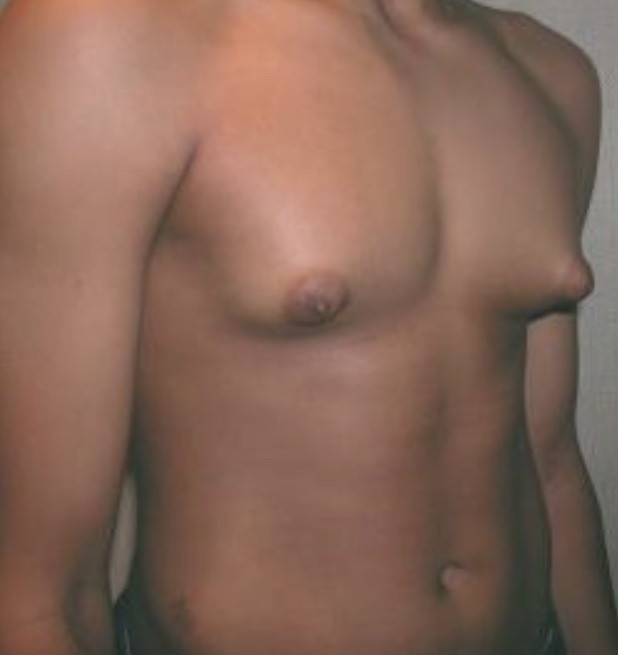
Gynaecomastia is quite a frequently encountered condition in medical practice and it refers to the presence of a palpable enlargement of the male breast. Overall the incidence of gynacomastia is increasing throughout the world across a variety of age groups for a various reasons. Some of the causes attributed are endocrine disrupting chemicals in an increasingly polluted world, obesity, anabolic steroid (androgen) abuse, widespread use of medications that cause gynaecomastia and increased prevalence of diseases that cause gynaecomastia such as testicular cancer.

Gynaecomastia is common amongst teenage boys and also in elderly people who gain weight rapidly. Gynaecomastia can occur in upto 60% of pubertal boys (usually tall or obese teenagers) under the influence of hormones and most would spontaneously subside within a year.

What are the common causes for Gynaecomastia?

Often gyanecomastia occurs when an adult puts on weight very quickly. Even in pubertal children the incidence peaks between the ages of 12-14 in response to increased and fluctuating levels of male and female hormones that are secreted by the body. Most often (70% of the times) breast size would regress within a year. So when should one seek medical help and intervention?

In a teenage boy, persistence of breast tissue above the age of 17 or a sudden increase in size with pain may necessitate a visit to the doctor’s clinic. In adults, asymmetric breast enlargement especially if located below the areola of unusal firmness/hardness with nipple changes (retraction, eczema or bleeding) should alarm the individual enough to see a doctor.

The doctor after doing a thorough examination might ask for a few tests. Screening tests may include blood tests like Liver function and kidney function tests,hormonal assays of LH, FSH, Prolactin, Free and total Testosterone, Estradiol, beta hCG and thyroid function. Other scans such as Ultrasound breast, testes, CT for chest and adrenal glands and a FNAC may also be suggested.

Treatment is usually indicated for painful large breast masses (>5cm) in size with worrying features such as nipple bleeding or discharge, eczema or enlarged lymph nodes on doctors examination.

Medical treatment with drugs such as Raloxifene, Tamoxifen and Anastrazole would help in reducing the estrogens (or theri effect) in the body. Surgery is also an option with a high success rate of complete cure (90%).

All about Vomiting – ad nauseum!

Vomiting is a process by which the body expels substances that may irritate the stomach and the intestines. This explanation is a very simplistic and our reality is that we still aren’t very sure of all the reasons and mechanisms of vomiting from the many causes.

There are many causes for vomiting. They may be classified as follows:

Gastrointestinal reasons-

Intestinal obstruction – tumours, adhesions, hernias etc

Reduced/Abnormal motility – Diabetic gastroparesis

Infection – acute peritonitis, appendicitis, gastroenteritis (bacterial and viral), food poisoning etc.

Gastric irritants -alcohol, pain killer intake, antibiotics etc

Others – pancreatitis, hepatitis, kidney stone disease, heart attacks etc

Vestibular (related to the inner ear)

Acute viral labrynthitis

Travel sickness

Meniere’s syndrome

Neurologic disease

Infections -meningitis and encephalitis

Increased pressure- tumours, strokes, intra-cranial bleeding

Migraine

Psychiatric illnesses

Others

Drugs and toxins

Chemotherapy medications

Opioid drugs

Anticonvulsants

Systemic diseases

Diabetic ketoacidosis

Uraemia (kidney failure)

Adrenal insufficiency

Parathyroid disease

Pregnancy

Mechanics of Vomiting

The process starts with increased salivation and nausea (the uncomfortable feeling of vomiting). The stomach starts contracting upwards (reverse peristalsis), the wind pipe is shut by the epiglottis reducing the chances of the vomited food from entering the lungs, the tummy muscle contract forcefully, the chest is held fixed in mid inspiration, the increased intra-abdominal pressure ejects the stomach’s contents out through the mouth and the nose.

Neural control of Vomiting

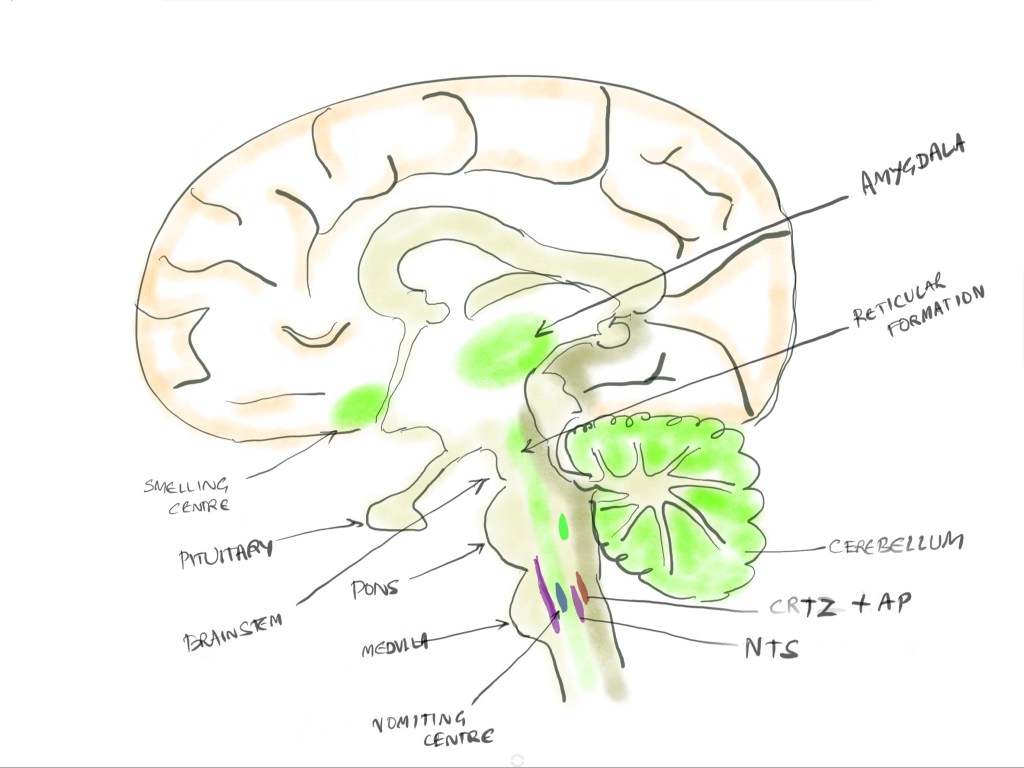
The neural pathways that bring about vomiting all lie within the brainstem. The brainstem consists of 3 areas, the midbrain, the pons and the medulla. Behind the brain stem is the cerebellum (the little brain) and above the brainstem is the Cerebrum. Between the cerebral hemispheres and the brain stem is the amygdala (which controls emotions).

There are 4 pathways to causing vomiting.

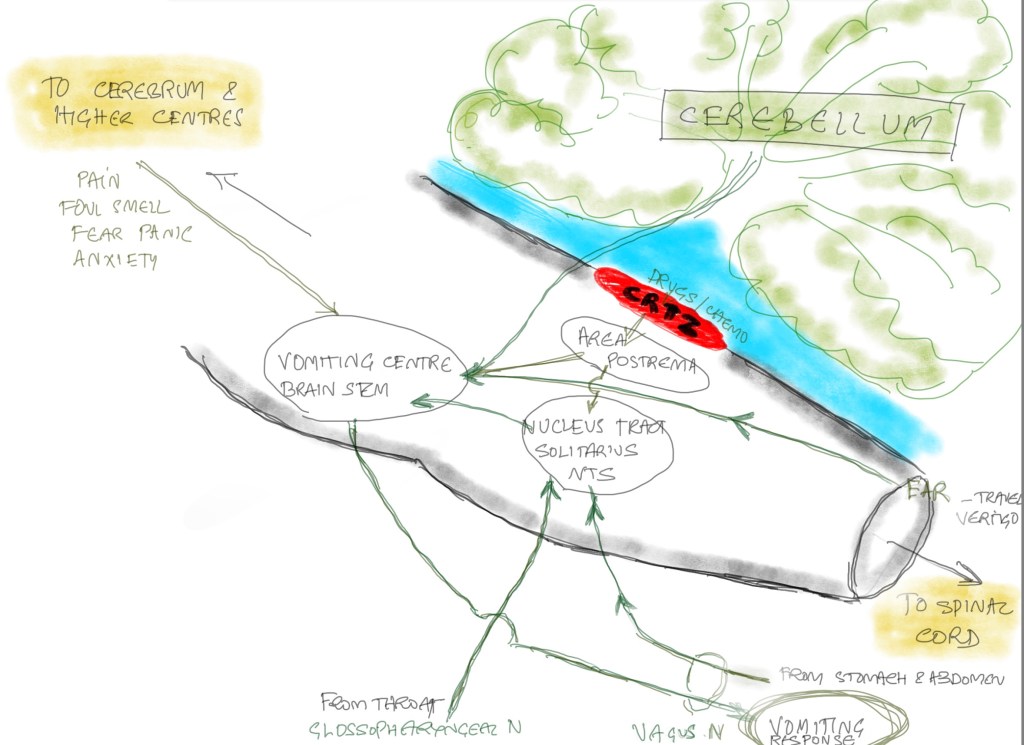
1. The stimulus from the throat (via the Glossopharyngeal Nerve) and the stimuli from the stomach and other abdominal organs (via the Vagus nerve) are carried to the Nucleus Tractus solitaries (NTS) which can not only set off the vomiting reflex but also acts by stimulating the brainstem vomiting centre. This pathway works via the serotonin (5HT3) pathway.

2. Stimuli from the inner ear and the vestibular system directly activates the Brainstem vomiting centre and brings about its effect. Histamine and muscarinic/cholinergic stimulation mediate this pathway.

3. The higher brain centres such as the Amygdala (emotion) and other centres that perceive stimuli such as pain and bad smells stimulate the brainstem vomiting centre directly to cause vomiting.

4. There exists a Blood brain barrier which protects the brain from toxins in the blood. The Chemo Receptor trigger zone is one such area that lies outside the blood brain barrier. Drugs such as opiates and chemotherapy medicines work on this area, to stimulate both the NTS and the brainstem vomiting centre to induce vomiting. These stimuli work through serotonin, NK1 and dopamine pathways.

Why should vomiting be treated promptly?

Repeated vomiting can cause dehydration, loss of stomach acid (and therefore alkalosis), loss of sodium and hyponatraemia, aspiration (when what is vomited enters the lungs) and pneumonia, rupture of the lower end of the gullet/esophagus and blood vomiting (Mallory -Weiss tears) etc.

How is vomiting treated?

Knowing which pathway is involved will suggest the best medicines to stop vomiting.

Stimuli from the pharynx (throat) stomach and other abdominal contents work through serotonin. Therefore serotonin antagonists such as Ondansetrol (Emeset), Granisetron, Dolosetron and Palonosetron will help.

Stimuli from the ear (due to vertigo, motion sickness) or from the cerebellum (due to reduced blood flow) will cause vomiting mediated via histamine receptors. This vomiting would respond well to medicines that have an antihistamine function such as Meclizine, Dimenhydrinate etc.

Stimuli from chemotherapy which stimulates the Chemoreceptor trigger zone via the Neurokinin (NK-1) receptors would respond to treatment with NK antagonists such as Aprepitant, Fosaprepitant, Rolapitant and Netupitant.

Second line antiemetics are:

1. Steroids – Dexamethasone works in ways that aren’t clear.It is definitely useful as a powerful anti-vomitng especially a second line and for vomiting after surgery.

2. Dopamine antagonists such as Prochlorperazine (Avomine) and Promethazine (Phenergan), Chlorpromazine, Haloperidol and Olanzapine (with additional serotonin blocking effects)

3. Cannabinoids also work by unknown mechanisms.

4. A combination of vitamin B6 and Doxylamine (Doxinate 24) is used for vomiting of Pregnancy.

So after reading this article and if you should have severe vomiting, you will be able to ask your doctor for better medicines for yourself!

Do you have IBS?

Irritable Bowel Syndrome is one of the common functional bowel diseases that affect us. Intestinal diseases may be classified broadly into Organic and Functional, where Organic refers to structural intestinal disease as compared to Functional disease where an identifiable structural bowel problem like an ulcer or narrowing (stricture) or bulge (diverticula of the intestine) is absent. IBS is characterised by abdominal pain and altered bowel habits (constipation or diarrhoea).

People with IBS tend to have visceral hypersensitivity i.e., increased perception of pain on intestinal distension. Studies done on IBS patients have shown increased inflammatory/ immune cells in the intestines (on biopsy) such as lymphocytes, mast cells which secrete inflammatory cytokines, histamine, serotonin and other substances that stimulate the nerves inside the bowel wall (Myenteric plexus) and cause increased cellular permeability, pain and increased contractions of the intestinal muscle leading to diarrhoea. This could be the cause for the so called post infectious IBS that is associated with bacterial, viral, protozoal and helminthic infections. There is also a theory that composition of fecal microbiota could be associated with the development of IBS. Small intestinal bacterial overgrowth (SIBO) also has an association with IBS. Studies done have shown that people with IBS have abnormal breath tests indicating bacterial overgrowth and gets better with antibiotc treatment which can reduce the bacterial population. Food allergies, carbohydrate indigestion and gluten sensitivty are also attributed as causes for IBS. Genetic causes, psychological causes such as anxiety depression phobias and somatization have also been shown to be risk factors for IBS development.

IBS is usally suspected when symptoms of abdominal pain and altered bowel habits persist for more than 3 months. The following are typical features of IBS: The symptoms could be either intermittent or continuous.

1. Abdominal pain for atleast 1 day a week. It is usually lower abdominal.

2. Changes in stool frequency – Constipation or diarrhoea

3. Changes in stool form – lumpy hard, pellet like or tooth paste like or loose and watery!

4. Change in stool passage – urgency, need to strain or having a feeling of incomplete evacuation

5. Bloating of abdomen.

6. Association with depression, anxiety, chronic stress or somatization.

What features would suggest that IBS is UNLIKELY!

1. Alarm symptoms such as alternating constipation with diarrhoea, blood in stools, nocturnal diarrhoea, weight loss and fever might indicate a more sinister pathology such as cancer or Inflammatory Bowel disease.

2. An Acute onset might suggest an infective cause for the symptoms.

Such people with the above features and those with a family history of cancer, Inflammatory Bowel disease or Coeliac disease would need other investigations such as Colonoscopy and biopsy.

IBS is classified into 4 types. IBS with diarrhoea (bowel movement > 3 /day), IBS with constipation (bowel movement < 3/week) , IBS with both diarrhoea and constipation and IBS that is not subtyped.

A complete blood count, ESR, CRP, stool complete and occult blood test, Stool calprotectin and and a sigmoidoscopy and colonoscopy may be done (for those with alarm features only) are some of the tests that may need to be done for someone suspected to have IBS.

IBS is a chronic disorder and therefore education and reassurance go a long way in helping the patient cope with the disorder. IBS is prone to recur with periodic exacerbations and remissions. Moderate exercise is believed to be helpful. Avoidance of gas causing food may also help. A diet low in FODMAPS (fermentable oligo, di, mono sacharides and polyols may be helpful. Restriction for 2-4 weeks may improve symptoms. The FODMAPs include 6 food groups:

1. Fructose – corn syrup, apple, pear, watermelon and raisins.

2. Fructans – garlic, onions, leeks, asparagus and antichokes.

3. Wheat based foods – breads, pasta, cereals, cakes.

4. Sorbitol – stone fruits

5. Raffinose – legumes, lentils, brussel sprouts, soybean and cabbage.

Many pharmacologic agents (medicines) are being used to treat IBS.

Antispasmodics such as hyoscyamine, dicyclomine and mebeverine and Probiotics are used for abdominal pain.

Loperamide can be used for diarrhoea.

Polyethylene glycol 3350 is used for constipation predominent IBS. Newer medicines such as Lubiprostone, Linaclotide, Plecanatide and Tegaserod are also used for the same condition. Antidepressants such as Tricyclics and SSRI are also useful. Rifaxamin, a non-absorbable antibiotic is used with good effect for bloating.

Cognitive behaviour therapy, yoga, relaxation and hypnotherapy is also believed to be helpful.

Why do I feel so tired, Doc?

Fatigue is not an uncommon complaint that a doctor hears at his clinic. This term however could mean many things to many people. While there are many normal causes for fatigue and tiredness, I would like to write about the abnormal (pathological, disease related) causes for tiredness that the reader needs to be aware of.

Fatigue could happen normally from doing unaccustomed severe exertion or exercise or due to inadequate rest and recovery after exertion, sleep deprivation, travel thorough different time zones (Jet lag) or due to obesity, under nutrition and severe emotional stress. You could recover from fatigue from the above causes by taking adequate rest. So why should fatigue persist even after taking enough rest and what could the reasons be for it?

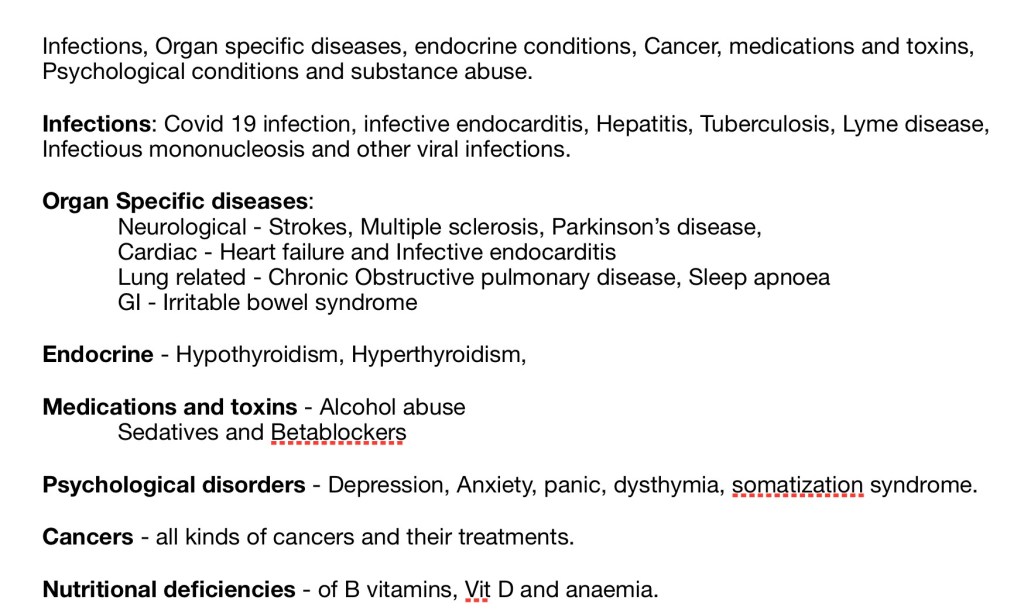
Pathological fatigue has many causes. Broadly they may be grouped into the following categories.

Significant Fatigue is when fatigue persists for at least 2 weeks and can affect upto 25% of the population at some time. Chronic sleep deprivation (sleep apnoea) can also be a cause for severe fatigue.

Chronic Fatigue is when fatigue affects the person for more than 6 months.

Alarm signs in Chronic fatigue:

1. Anorexia and weight loss (>10% per 6 months)

2. Enlarged Lymph nodes.

3. Memory and concentration impairment

4. Inability to function due to myalgias, arthralgias, headaches etc.

5. Deep depression

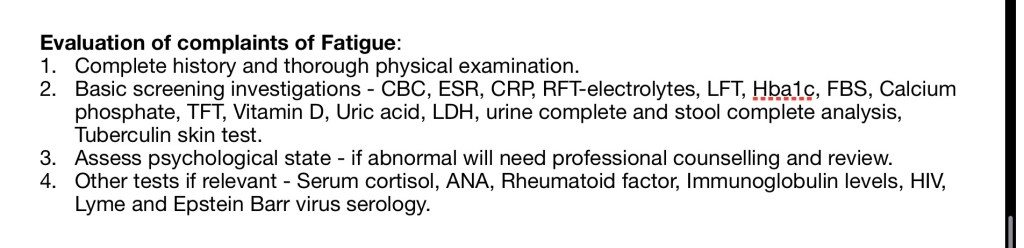
Evaluation of complaints of Fatigue:

Treatment of Fatigue

Identification and treatment of the cause for fatigue will cure the problem most of the times`.

Interventions that may be of benefit for people with problematic fatigue are:

1. To fix lifestyle abnormalities – to regulate lifestyle, to eat, sleep on time.To exercise regularly – resistance as well as aerobic training reduce fatigue. (Graded exercise programme)

2. Use of nocturnal cPAP for those with Obstructive Sleep Apnoea

3. Medications – Melatonin or nocturnal sedatives

– Modafinil or Armodafinil

– Testosterone replacement therapy for those with deficiency

– Steroid replacement therapy for those with adrenaline insufficiency

– Correction of Vit D and other vitamin deficiencies.

4. Cognitive Behaviour therapy provided by an experienced psychologist.

A note of Long Covid Syndrome:

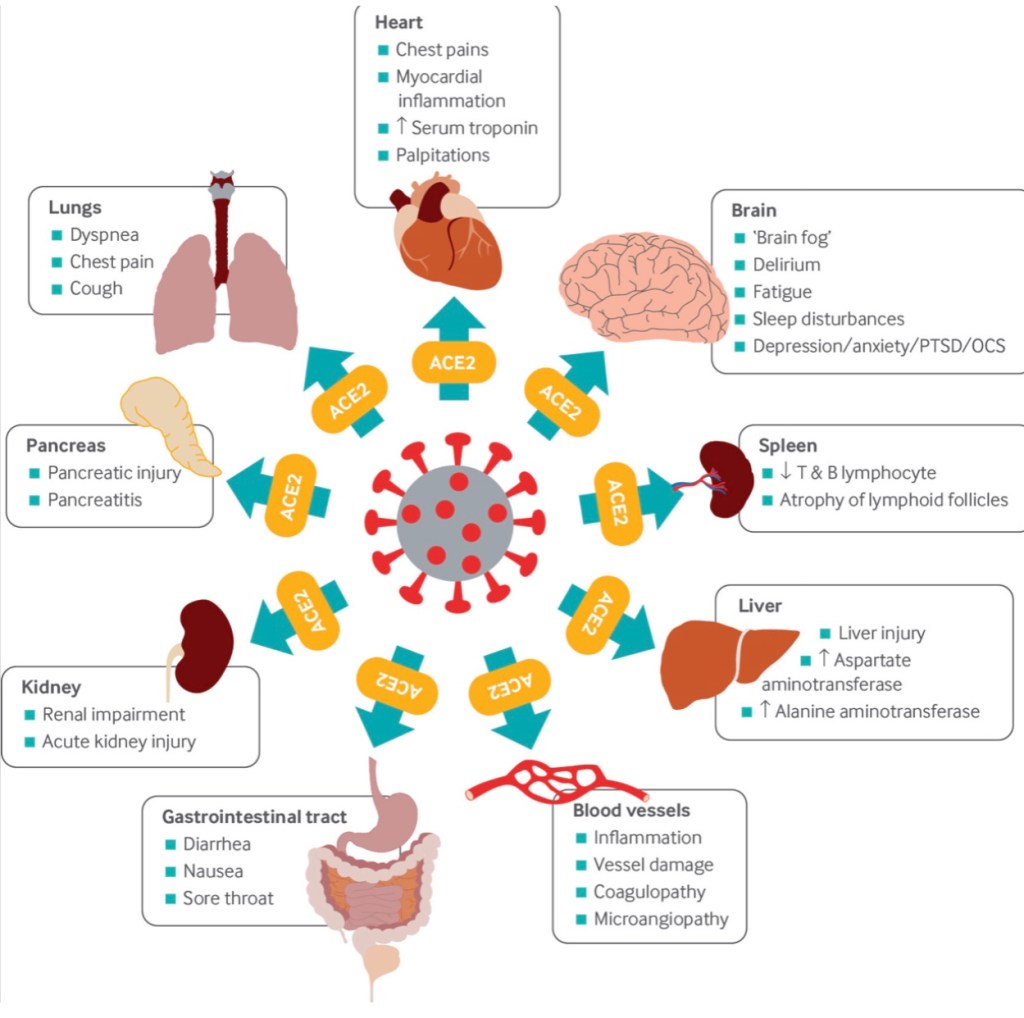
Covid 19 infection has been the most common cause for prolonged fatigue over the past 2 years. Long covid syndrome refers to the persistence of symptoms many weeks after the acute infection. Fatigue is a persisting symptom irrespective of the severity of the infection. In one study 92% of covid patients had fatigue 79 days after the onset of Covid infection.

Common symptoms of long covid include:

Fatigue,breathlessness, chest pain,mental fudge and cognitive abnormalities, sleeplessness, smell and taste abnormalities, headache and feverishness etc. Treatment is essentially symptomatic only.