Anger and why you must control it!

Anger is a sudden maladaptive response to a variety of stimuli characterised by an aggression which could be verbal, physical or both. It is provoked more often in people with a certain personality types especially when subjected to stressful triggers or situations in specific contexts. It may even be provoked by minor stimuli in anyone depending on the circumstance. While it has been essential for the survival of our species, modern life (in overcrowded urban jungles) provides too many stressors that provoke unnecessary anger which then has long term health implications. This article attempts to throw some light as to the causes, effects and changes during and after an episode of Anger.

Civilisation and urbanisation forces people of all different personality types, of different interests and priorities to live together. In the hustle and bustle of daily living we are forced to deal with different situations and people who could make our lives difficult, with intention or otherwise. We are provoked into losing our tempers, get angry, explode (or implode) and suffer the consequences. Our personality type, our current mental state, our previous experiences, the people we have to deal with, all have a role in determining how we respond to a situation and how angry we get. Often we get irritated with what is happening and if this isn’t resolved, results in anger. I call Anger a maladaptive response because we get angry only with people we can get away with showing it and it rarely solves the issue that provoked it.

The Anger reaction begins in the Amygdala in the brain, it spread to the Hypothalamus and the Pituitary which releases ACTH hormone that stimulates Cortisol secretion from the Adrenal glands. Cortisol suppresses the immune system, increase sugar production and the conversion of Fatty acids to energy. The adrenals also produce Adrenaline which increase the Heart rate BP and the Cardiac output. Adrenaline also increases the release fo glucose from the Liver and increases the tension in the skeletal muscle and also increasing the rate and force of contraction of the skeletal muscles. The respiratory rate increases and visual fields constrict and pupils dilate allowing the angry person to focus on the person triggering the reaction. In short the body prepares for “fight or flight” when angry.

All these hormones increase the blood pressure, Heart rate and respiratory rates. Blood is shunted away from “nonessential” organs such as the intestine and kidneys in favour of the heart lung brain and skeletal muscles. It is quite common to feel like you want to empty your bladder or even vomit when very stressed.

Chronic and recurrent Anger depletes the body’s ability to fight inflammation that is triggered by the free radicals. This eventually causes disease.

Anger is known to cause frequent headaches, digestive problems and abdominal pain/gastritis, Insomnia, increased anxiety and depression, skin problems and eczema and even Heart attacks and Strokes.

Your Anger has not only implications for you, your mental and physical well being and productivity but also for that of your family, friends, work colleagues and everyone in your immediate surroundings. Your anger will have a domino effect on others. It is therefore very important to control or release your anger, not just for your own selfish reasons but also for the greater good of society.

The first step in Anger management would be to realise that Anger is harmful to you more than to anyone else. While there may be many ways to keep your anger in control, I personally believe that if you have an understanding nature, have empathy for others and make excuses (to yourself) for their inability to see or do things your way – you could control your anger. Being placid or timid or avoiding people or situations may not necessarily be the right way to deal with anger or a situation that could make you angry. Learning to meditate, attempting to resolve conflict by understanding the other person and seeking counselling (professional) could help you deal with your anger. Yoga, exercise, regular breaks from your work, having a supportive network of friends and family could also help you release your anger. Keeping a diary could help you understand your anger and could help you device strategies to cope with stressful situations when they happen the next time.

My very best wishes to you for staying cool always.
HOW TO LOSE WEIGHT

As a doctor I see many people who want to reduce their body weight for a variety of reasons including to improve their health, body image or personality. Unfortunately only a few actually achieve their weight goals and succeed in keeping their weight down for prolonged periods. Most have some early gains and then either stop losing weight further or put the lost weight back on despite everything that “they think” they may be doing. They then become frustrated or depressed and sometime totally give up the “battle of the bulge”! Many take solace in food and put on more weight on the rebound. I will put down in this article what I have seen successful weight losers do to achieve their target.

The first part includes some points for you to consider. The second part contains some strategies for weight loss.

Things to consider:

1. As someone said, “failing to plan is planning to fail”! You have got to have a written plan of action to achieve your body weight targets.

a. Set your body weight target (what do you want your body weight to be)- e.g., 10kg less-

   write it down!

b. When do you want to achieve this weight? E.g., in one year’s time 1st March 2021.

c. Put down interim goals – quarterly goals viz 2.5 kg weight loss every 3 months which would be 1 Kg weight loss every month.

Someone also said “the difference between working with a goal and without a goal is…………………….…result”. Consult your doctor and do the necessary tests to certify your cardiac fitness to begin your weight loss programme.

d. You have got to put up an exercise schedule and diet chart. You could consult a dietician to help you plan your meals and the low calorie in-between meal snacks too.

2. “Whatever gets measured, improves” {someone said 🙂 } . Buy a good digital weighing scale and check your weight every Sunday, early in the morning soon after waking, after evacuating your bladder and before you take anything by mouth. You want to definitely do this as half a litre of water taken, will definitely increase your weight by half a kilo! Record each measurement in a book against the date of measurement.

3. You have got to accept that what you have done in the past to reduce weight, just wasn’t enough. You have go to do something quite drastic and consistently to achieve your goals. You would need to cut the calories that you eat as well as increase the amount of exercise that you do (volume of exercise as well as Intensity). This also needs to be documented everyday. You can sum it all up at the end of the week to see how well you have stuck to your plan.

4. If you don’t achieve your weekly goal, be hard on yourself the following week and either go on a stricter/ lesser diet or exercise more or do more of both! Be brutally honest with yourself. Don’t accept excuses for your inability to reach your goal or to follow your own weight loss plan. Achieving these smaller weekly goals will ensure that the larger monthly goals, quarterly goals, half yearly goals and the final goal are all achieved (as planned).

5. Changing your thinking is a given. But you absolutely have to change your lifestyle and habits to achieve your weight loss goals.

a. Separate food from the good times. Don’t attend parties where food is the main draw.

Have a green tea party. Avoid junk food when having alcohol. Don’t sit in from of the TV with junk food to munch on.

b. Eat out less often and when you do, fill yourself up with low calorie salads before going onto the main course. Share your main course with someone else. Avoid eating deserts completely.

c. Don’t keep high calorie snacks at home and if you do take them, buy them one at a time (not an entire box full and a small portion too). A good example is chocolate.

d. Avoid all kinds of bakery foods (bagels/ white breads/ cakes/ pies etc)

e. Take twice as long to eat. Chew each mouthful 30 times before swallowing.

f. Have more of the food that you don’t like and completely avoid what you do! This way you would get all the nutrition without the craving to eat more!

6. Plan your snack and in-between meal foods. Salads, green tea, low calorie fizzy drinks and water will definitely reduce your hunger and help you get by till the next meal. A high protein shake is a good way to reduce your hunger without increasing the risk of weight gain. However you should make sure that you are using a pure protein powder drink rather than a balanced protein supplement drink (which would have less protein and is used as a post-exercise re-fueller).  

7. All habits take 3 weeks to form and 3 months to become permanent. Grit your teeth and stay strong for this period especially during the first 3 weeks. It should become easier after this.

8. Take an Antacid especially if you develop acidity when eating smaller quantities of food. Remember the food you enjoy is the one that is particularly harmful to your goals.

9. When all else fails, don’t hesitate too much to go under the knife. Bariatric surgery does wonders for many.

Strategies to lose weight

What is most important is to develop a daily calorie deficit. Food intake in terms of calories must be less than calories expended by exercise. If you can reduce your daily food intake by 300-400 KCals and increase the calories spent by another 300-400 KCals you could achieve a 700-800 Kcal deficit which over the week would amount to 3500-5000 Kcals and a weight loss of 1/2 a Kilo of weight per week and a 2 Kg weight loss per month! (if consistently done)

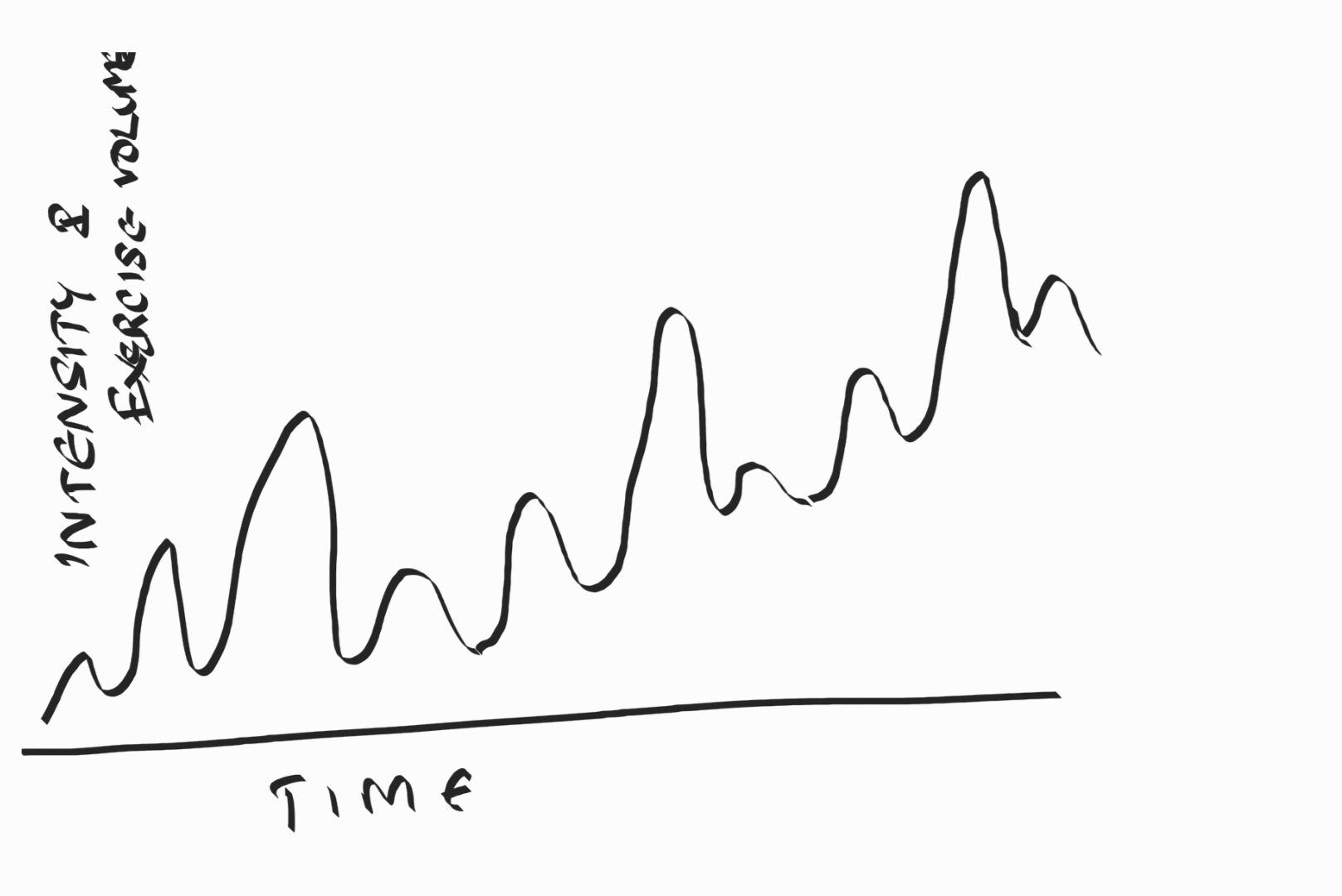
Exercise daily but vary the intensity and duration of exercise. Training is to be done in cycles of increasing volume and intensity of exercise. This not only keep the challenge up but makes exercising more interesting. Make exercise a part of your daily living – walk up the stairs, walk to the neighbourhood shop, take the train or the bus instead of using your car, cycle to work etc. Listen to your body and don’t push yourself when you are tired. Ensure that you get 7-9 hrs of sleep a night.

Eat everything but reduce the intake of carbohydrates (alone) by 25% at each meal. Compensate for the reduced volume of food by eating a lot more of salads and less calorie dense meals and snacks.

You could consult a professional dietician and take a very low calorie diet. (600-900 Kcal/day) Again taking plenty of salads would help a lot in reducing your hunger and keeping you sane.

Try a completely different diet – Keto/Paleo/Atkins etc

Try a 24 hr fast or fast for at least for 16 hrs a day for 2 days a week. There is some evidence that this is equally effective as eating less (dieting) every day. So you would get the pleasure of eating normally on most (except 2 days) of the week.

Reduce your meals to just 2 a day. Skipping dinner would probably be the best. The food that is taken at night gives calories that just stick to the body. Your metabolism is the slowest when you sleep and therefore the food eaten is  not consumed as it might be in the morning. Skipping dinner will therefore help in weight loss.

Essential supplements that you may need when you go on a weight loss diet are the following:

– Multivitamin mineral tablet

– B complex tablet

– Fish oil (omega 3) capsule

So to summarise

Write down your goals, targets and timelines.

Start your diet and stick to the plan.

Do your exercise 6 days a week.

Check and record your weight every week at the same time.

Reduce your food intake and increase your exercise volume if you haven’t reached your weekly target. Continue the same if you are satisfied with your weekly weight loss.

Have someone you should be answerable to – a weight loss coach!

Best wishes for your success!

Here is a interesting YouTube link

Gastro- esophageal Reflux Disease

GERD Advice

Gastro Esophageal reflux disease  (GERD) is a condition where acid water from the stomach moves up the gullet (Oesophagus) and causes corrosion and irritation in the lower chest or throat.

While many people can develop this condition because of being overweight, often it flares up after a respiratory infection. Repeated coughing increases the pressure in the stomach, which then increases the upward flow of acid from the stomach to the oesophagus (food pipe/gullet). GERD refers to the the pain and burning that is felt in the lower chest. Laryngo-pharyngeal Reflux disease (LPRD) refers to the chronic throat irritation that prolongs the cough and delays the recovery form the cold. There are a few lifestyle changes that can be of great help to sufferers of this troublesome condition. The following are my suggestions:

1. To take small frequent meals rather than large ones.

2. To avoid heavy spicy dinners.

3. To avoid lying down within 2-3 hrs of a meal.

4. To avoid taking excessive fluids or water with meals.

5. To avoid taking liquids after 7PM. If you must, take a spoonful of water and gargle your mouth and throat. You will feel less thirsty once your mouth is moistened.

6. Avoid alcohol and fast food (oily/fatty food) consumption at night. (Alcohol and fatty food delay gastric emptying and predispose to reflux)

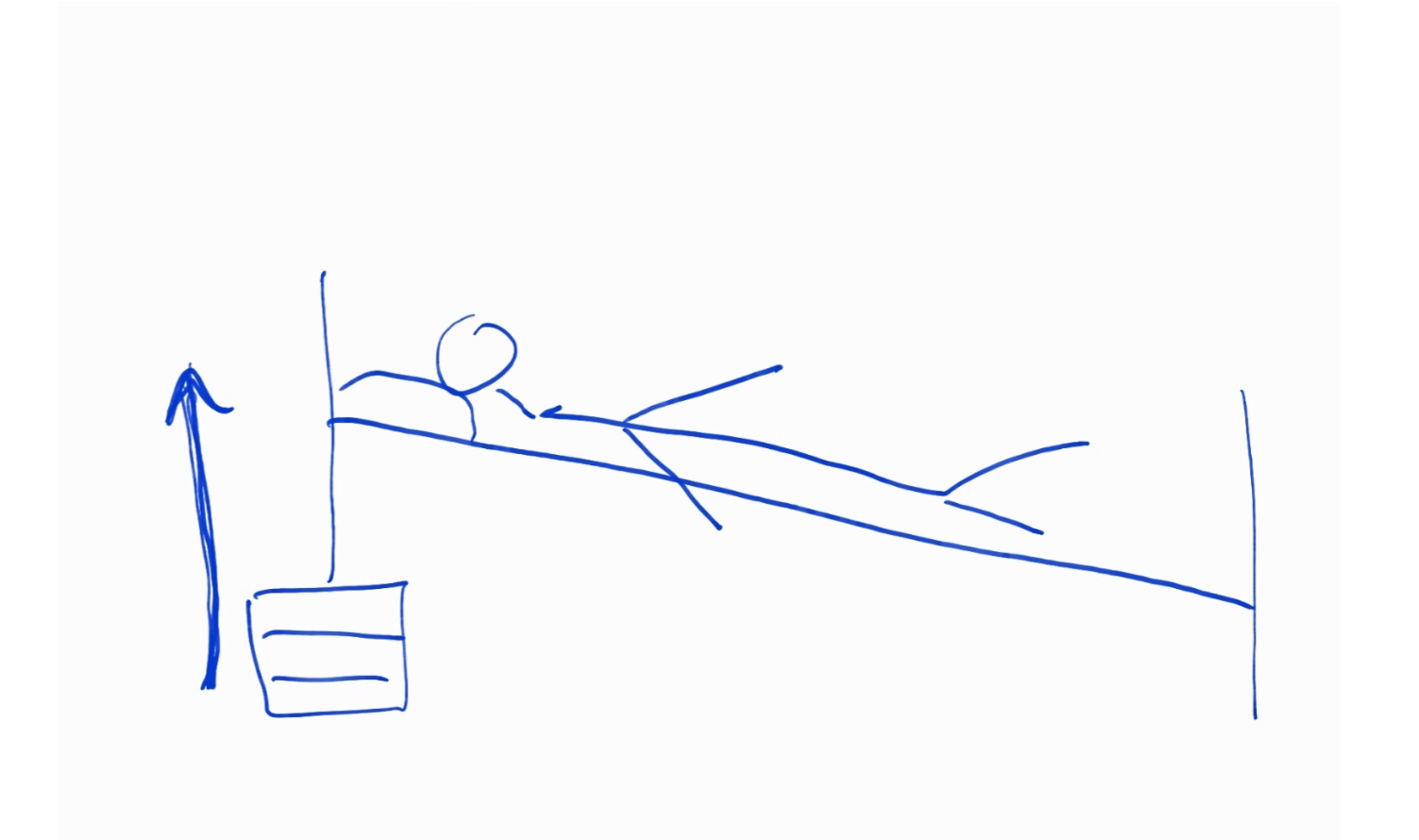
7. Elevate Head-end of the bed/cot at night or while lying down to sleep.

8. Take a Antacid/Prokinetic at 5PM in the evening.

9. Gargle and swallow an Antacid syrup at night just before sleep. It coats the throat and stops the acid from contact with the throat.

10. Take a Digestive supplement. This hastens digestion and the emptying of the stomach.

11. If overweight, make a serious and concerted attempt to reduce weight. Weight loss would really help in reducing symptoms.

Contact your doctor for a prescription.

All you wanted to know about Diabetic Diet

How to design a Diabetic diet

How do you design a Diabetic diet

1. First fix the number of Calories you will need per day. 20Kcal/Kg of Ideal Body weight (for sedentary life)

Add 5Kcal/Kg extra for underweight persons or if they lead a moderately active life.

Reduce Calories by 5 Kcal/Kg body weight if overweight.

2. Fix the Constituents of Diet:

Carbohydrates – 55-60%

Proteins – 20-30%

Fats – 20-30%

Fibre 25-35 fibre

        Take about half or a little more of the calculated calories as Carbohydrate (boiled or brown rice is preferred over white rice, whole wheat chappathi is preferred over maida rotis and Naans. Take all the

proteins that you would like, add oils to your food (1-2 tablespoons per meal. Take 300-400 gm of vegetable as salads daily. Remember to incorporate as many colours in the salad as possible.

Note: Carbs and Proteins give 4Kcal/gm and fats and oils give 9Kcal/ gm. Therefore if you are advised 1500Kcal of food per day, you will need to take 900 Kcals and 225 gm of Carbs (60% of 900).You can add about 30ml of oil to your meals (2 tbs) and take the remainder of calories as proteins (which would contain fat also).

   3. How are the calories divided between the meals?

Morning meal 40% (Breakfast 25% and 11 AM snack 15%)

Lunch 35% (Lunch 30% and Tea time snack 5%)

Dinner 25% (Dinner 20% and late night snack 5%)

Food is to be taken in 5-6 meals a day.

Roughly 2/3rd of the assigned calories should be taken at meal time

and 1/3rd as an In-between meal snack. If you are used to taking

        3 idlis for breakfast, take 2 at 8AM and 1 at 11AM.

Important terms explained

Simple carbohydrates: are those that are digested very quickly to yield glucose molecules such as fruits, milk and milk products, sugars, sweets, syrups and soft drinks.

Complex carbohydrates: are those that take a longer time to get digested and release glucose slower such as peas, beans, whole grain, vegetables and whole grain bread.

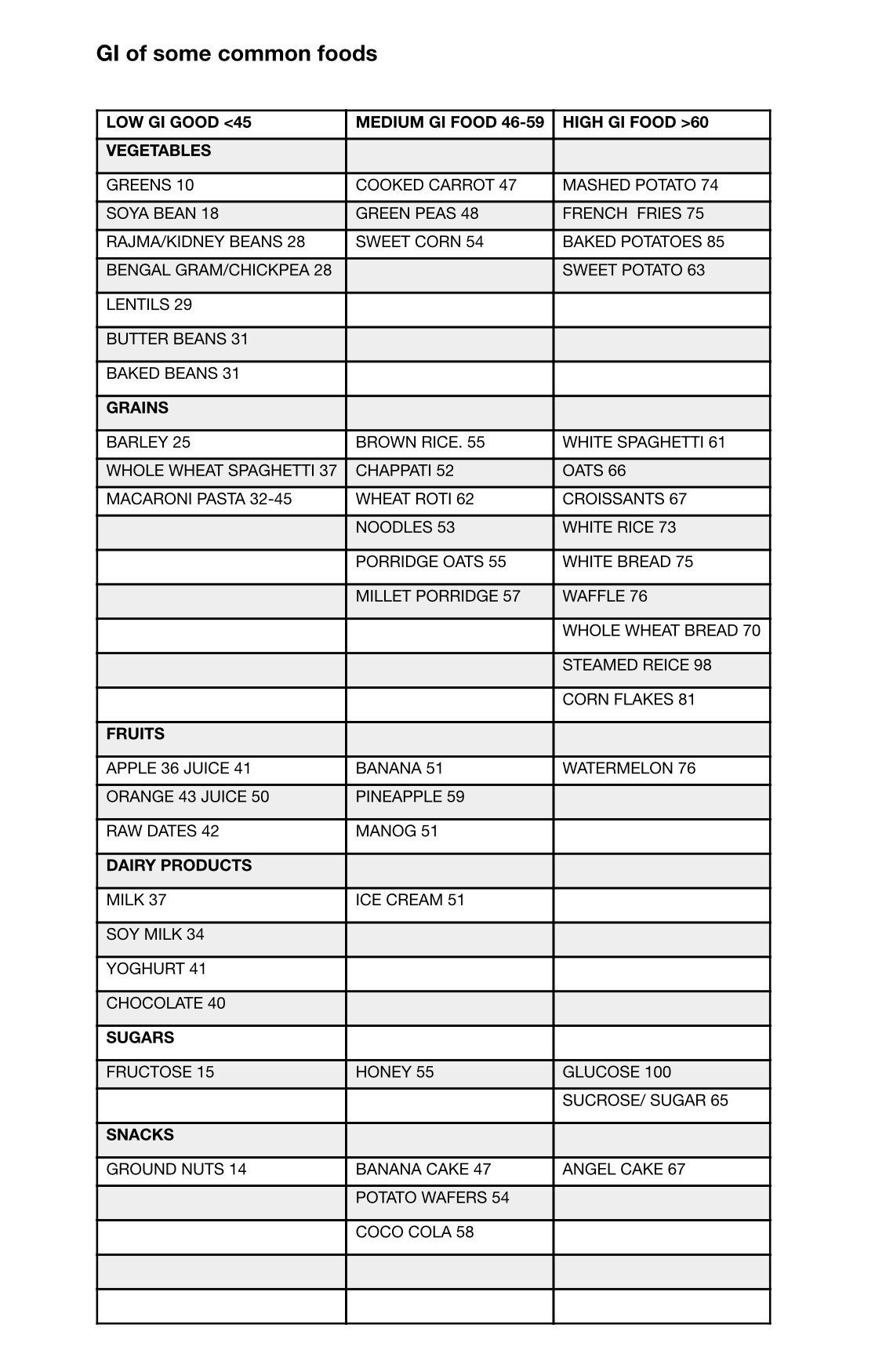
Glycaemic Index: refers to the ranking of food according to how they raise blood glucose levels. They are classified into

Low GI foods – <45

Mid GI foods – 46-59

High GI foods ->60

What are the determinants of Gylcaemic Index?

The following factors are important

how refined the carbohydrates are

how the food is cooked

how quickly it is digested and absorbed – like rice

how much simple carbohydrate it contains

how much of fibre it contains

how much of fat and proteins it contains – fats slow down gastric emptying and proteins stimulate Insulin secretion and reduce blood glucose levels.

So a Diabetic person must avoid or eat very sparingly High GI foods, eat moderately of Medium GI foods and eat plenty of Low GI foods.

4. Foods that don’t require Insulin for metabolism in the body are Fats and Proteins. So you could have a steak or add oil to your food without having to worry about your blood sugar levels. A diabetic person needs to reduce the intake of Rice, wheat and other cereals and tuberous vegetables such as Potatoes, Carrots, beetroot, Colacasia, tapioca etc (Onions and Radish are ok). Unlimited green vegetables of all types must be taken.

5. Getting into the habit of weighing the food would go long way in understanding how much and what type of foods affect the blood sugars. A simple kitchen scale can be bought for as less as Rs.350/-.

General Advice for Diabetic patients regarding their Diet and food intake!

2. Have small frequent meals, 5-6 meals per day.

3. Have a heavy breakfast, lighter lunch and a very light dinner. Fit in 2 low carbohydrate snacks at 11PM and 5PM. The snacks could have a high protein or fat content!

4. Know how much to eat (total calories per day) and how much of each food item to eat at each meal. (Count your Idlis and estimate the amount of rice eaten)

5. Never overeat and avoid deserts. Have a fixed helping of Rice and count of Chapattis.

6. Snack on nuts, sprouts and salads.

7. You don’t need to reduce your intake of Oil and meat unless you have high blood cholesterol levels.

8. Supplementing an optimal diet is “compulsory” for all Diabetic patients as the reduced food intake doesn’t allow adequate micronutrient intake. Please contact your doctor for a suitable vitamin supplement.

9. If you are eating out, have a large salad before starting your main course. Share your main course with someone else and avoid the desert completely if possible. You can have all the non-veg kebabs you want.

10. If you are a vegetarian, have just one helping rice or a limited number of breads (Chappatis/Rotis etc)

11. Always avoid Calorie dense foods e.g., a piece of cake has more calories than a Idli!

Useful tips:

1.Eat before you are hungry so you are not tempted to overeat.

2. One way to eat more without running the risk of increasing your blood sugars is to add your Rasam/Sambar to your Salad and to eat your salad before your main course.

3. You should increase your intake of salads especially if you are always feeling hungry. Metformin as advised by your doctor would also reduce your appetite.

4. Take veggies of as many different colours as possible every day.

5. Your fruit intake should be limited especially if your blood sugars are elevated. Fruits must be taken as an in between meal snack and not as desert after a meal.

Food that are bad for an Diabetic

While I might have touched upon this topic, I think that it would be worthwhile to reinforce it to you. The food that must be avoided are:

Sweets – chocolates, Indian sweets, ice creams etc

Sugar and sugar containing foods

Beverages – all juices, fizzy drinks (unless zero calorie)

Tubers – Potato, Beet root, Carrots, Tapioca and others

High GI foods

Calorie dense foods – Cakes, pies, tarts, pastries or anything nice by any other name!  

How do you adjust your meals according to your blood sugar values?

Your doctor may ask you to check your sugars before a meal and 2 hrs after. You will also need to measure the exact amount of food that you consume in terms of (katori/cup) or pieces of bread. If your post meal sugars are high, you may have to reduce the helpings of rice/bread and increase intake of vegetables or fats with your meal. In time, you will know exactly how much or how little you can take to keep your post meal sugar values under control.

Common targets for Diabetics

Fasting Blood Sugars – 90-110mg/dL

Post prandial Sugars – 140-160 mg/dL for those under 60.

160-180 mg/dL for those between 60-75 yrs

                 180-200 mg/dL for those >75 yrs of age.

200-250 mg/dL for those with frequent hypoglycaemia

HBa1c values – <7% for those <65 yrs of age

7-7.5% for those 65-70 yrs of age

7.5-8% for those 70-80 yrs of age

8-8.5% for those >80 yrs of age.

Useful Links:

Food exchange list –https://www.iitk.ac.in/hc/food-exchange-listhttp://A Dieter’s manual – ouricc.org/wp-content/uploads/2014/06/Indian-Food-Calorie-Chart.pdf

Hunger and how to kill it!


I suddenly realised that it would be good to write about hunger and how to control it when I started writing about diets in general and Diabetic diet in particular. It is quite obvious that if someone can’t control his hunger, he won’t be able to control what he eats and therefore won’t be able to achieve his health goals. So quite often when you repeatedly fail in your attempts at controlling hunger, you just give up. So let us talk about what is hunger, why it happens and how it can be controlled.


Hunger is a sensation that represents the need to eat food. It is that uncomfortable feeling in the pit of your tummy that tells you that you need to fill your tummy with food. Satiety on the other hand is the absence of hunger and a feeling of fullness. Appetite is the desire to eat food.


It is said that hunger is essential for survival, development and evolution. If there was no hunger (as it might be in heaven), there would be no sadness, no misery, no greed, no ambition, no development, no competition, no lifestyle disease, no change, no migration, no violence etc etc.


So while hunger is essential for our own survival, like every other urge of the body and mind, it should be controlled for us to live happy healthy and fuller lives. Hunger management is most important for those trying to lose weight or for those living with diabetes. Let us look briefly at the hunger mechanisms and at things that one can do to control it.


HOW IT HAPPENS?

There are many different mechanisms by which we become aware of hunger.  You can look at them as Gastric, Intestinal/hormonal, Neurological/ psychological and others.


Gastric

Empty stomach increase hunger.

Increased Gastric acidity

Diet

High Glycaemic index foods

 Low protein and fat in diet

 Low ruffage/Fibre diet

 Fast foods or anything that you  eat out of a package or parcel foods.

Lifestyle

Poor sleep can increase hunger (Ghrelin levels increase by 28% and Leptin reduce by upto 18%)

 Life stress can increase  hunger

 Although exercise can increase hunger in the long term, exercising when hungry can make you forget your hunger.

 Having an unsatisfactory meal can also trigger increased hunger.

 Having too much alcohol the previous night and dehydration can increase hunger.

Hormones

Insulin peaks after a high carb diet or sugary meal (especially in diabetics), cholecytokinin, Neuropeptide Y levels and increases Hunger

 Low blood sugars even in non-diabetics can increase hunger.

 Glucagon and Adrenaline reduce Hunger (during stress anger rage etc)

 Leptins produced in fat cells reduce hunger. Leptin secretion increases with increased food intake and reduces with fasting or starvation.

 Ghrelin produced by the stomach stimulates hunger.

 Hyperthyroidism can increase your hunger.

Neurological

Hypothalamus area of the brain controls hunger and strokes affecting the hypothalamus can cause uncontrolled hunger or reduce appetite depending on the part of the hypothalamus affected.

 Dopamine induces satiety and reduces appetite

 Serotonin also reduces appetite by acting via neuropeptide Y and Agouti related peptide (AgRP) and Pro-opiomelanocortin (POMC)

Psychological

Stress

 Thinking about food or smelling food or partying can increase hunger. Food is very closely associated with fun and friends.

Drugs

Tricyclic antidepressants , steroids and antipsychotics increase hunger.


 Suggested ways to combat Hunger

Diet

Fill your tummy with a large quantity of water when hungry.

 Eat a healthy snack one hour before your meals.

 Split your meals in 2 and have them 20-30 mins apart.

 Avoid a high Glycaemic index meal. Avoid large deserts (cakes/ ice creams etc)

 Incorporate more proteins/fats into your meal.

 Chewing your meal well (15-30 chews of each mouthful) can reduce your hunger and food intake.

 A meaty meal can suppress your hunger more effectively.

 Plan your meal in advance. Take a healthy in-between meal snack.

 Take in a large bowl of high fibre vegetables with every meal. Veggies slow down gastric emptying and therefore keep the stomach full for a longer period thereby suppressing hunger.

 Avoid ultra-processed foods – the feel good/tasty/palatable foods!

Avoid high salt and sugar contains foods. This would include virtually all fast and  processed foods. (nearly everything that is not cooked at home on a regular basis)

Medication

Contact your doctor for any medication that could help you reduce your appetite.  Metformin/ Liraglutide/ Setmelanotide can be useful in helping you manage your hunger.


 The following natural foods are believed to be able to suppress Hunger!

 Food additives

Ginger

 Cayenne pepper

 Cinnamon

 Hot sauce

Snacks

Almonds

 Dark chocolate

 Flax seed

Meal

Oat meal

 Tofu

 Veg soup

 Whole Salads

 Greek yoghurt

 Vegetable juice

 Eggs

 Salmon

Beverages

Coffee

 Green tea

 Skimmed milk

Fruits and Vegetables

Avocados in moderate quantities

 Apples – rich in pectin and fibre

 Green leafy vegetables

Supplements

Whey Protein


 I hope that the information given above is of some use to you. My intention is not to write a comprehensive all including essay on hunger but just to give you enough information to stimulate your curiosity to begin your own research into your hunger, to experiment and see what would work for you and to change your eating habits to achieve your best health.


A hundred years ago, the concept of food storage wasn’t existent in most parts of the world. People hunted and gathered food that they cooked immediately and ate (unless it was rice that was harvested and stored for a while). In today’s world, most of us in the city do not face food shortages as we have the means to store food for long periods. Our food culture has also changed so much that we have also started eating very high salt/sugar containing calorie dense foods that are very addictive. Having easy access to these addictive foods promotes this dependance and we end up eating more than we want, to put on more weight than we need and then suffer more from “lifestyle diseases” than we should.  

HOW TO DESIGN YOUR OWN DIET?

Most people eat as much as they want. The amount of food eaten varies from person to person and can differ based on hunger levels, mood, taste of food, habit of eating (little vs overeating) etc. Most people stop eating when their stomachs are reasonably full. Most people don’t think much about what they eat and how much they eat. Food serves a very important function of keeping people happy on a daily basis.


Only those who have targets in terms of their body weight or shape or feel a need to adjust their diets because of certain diseases such as Diabetes would want to know about how they can design their meals. Planning your diet isn’t very difficult  especially in this age of the internet. Google will give you all the information about, not only the calorie content of different components of foods but also of prepared dishes.  


Therefore the things that you would need to design your diet would be

1. Weighing scale and a measuring tape.

2. A kitchen scale

3. An ability to use Google to get all the necessary information.

4. A doctor or a dietician who is willing to advice you.


How many calories do YOU need?

Step 1: To identify your ideal body weight (IBW) – this can be done in a few ways.

a.Height in Centimeters minus 100= Ideal Body weight 

b. By using the BMI –  Ideal BMI ranges from 20-23.5 for Indian males and 25-30 for females. The BMI is calculated by the formula weight in Kg/Ht) x (Ht) in metres

Therefore the IBW for a person who is 1.85cm in height would be 68.5-81.5Kg.

Step 2: To calculate the number of Calories that you would need based on your IBW: 25 X IBW in Kgs. While there are many formulae to calculate your daily calorie requirement/ Basal Metabolic Rate, the 25 X IBW formula is the simplest. Therefore a 80Kg (IBW)adult would need 25 X 80 = 2000 Kcal/Day.

Note: While we generally suggest 25Kcal per kg of weight for adults, children may need upto 30-33Kcal/Kg of body weight.

Step 3: To be honest and to admit if you need to reduce your weight or increase it. If you need to reduce your weight, you would need to reduce your calorie intake (e.g., 20 X IBW in Kg). Similarly, if you needed to increase your body weight, you would need to consume 20% more calories a day. (i.e., 30 X IBW in Kg)

Step 4: To adjust the calories that you might take depending on the amount of exercise that you may do.

For light to moderate exercise (45-60mins of moderate intensity of exercise per day  40Kcal/Kg of body weight of food per day would suffice.

For very active exercises (60-120min of moderate intensity exercise every day) you may need 50Kcal/kg of food per day.

For those who are extremely active (marathon training etc), they would need 60Kcal/Day of calories.

 Now to start Googling……………………….(calorie content of south Indian food etc)

Different websites give different values to the same food. Remember your calculation is only an approximate value.

Start weighing your food to calculate how many calories you are taking in now.


How to plan your meals?

 You have now got to divide the calories between 3 meals and include at least 2 snacks making sure that you don’t exceed the total daily calories.

 You need to Breakfast like a King

        Lunch like a Prince and

        Dine like a Pauper to stay healthy!

 You should have the calculated calories distributed in 3 meals as BF:Lunch: Dinner- 45%: 35%:20%. Therefore someone needing 2000Kcal of food a day would need to take 900 Kcal for Breakfast, 700Kcal for Lunch and 400Kcal at dinner time. 2/3rd could be taken at meal time and 1/3rd as an in between meal snack.

 It is recommended that you get 45-55% of your calories from Carbohydrates. 15-35% of calories from Proteins and 20-35% of calories from Fats.

 A vegetarian south India  diet has predominantly carbohydrate  (rice) as the source of calories and very little of Proteins and Fats. Such diets may need to be supplemented with Proteins in the form of Lentils, Soya or high concentration Protein powders (Soya or Whey). Good vegetable cooking oils can be added (raw) generously to food to make up the contribution from Fats. (Groundnut oil or Sesame oil, Olive oil etc).Fibre intake can be increased by having plenty of green salad.

 A non-vegetarian diet on the other hand has an excess of fat and salt in it. Non-veg gravies tend to have all the salt and the invisible fats (released from meat on cooking) Non-vegetarians need to cut down the rice and the gravies and focus on taking more fruits and vegetables as salads.

 Plan your meal on paper and then try to follow it.


OSTEOPOROSIS – ALL YOU WANTED TO KNOW!

Osteoporosis is the commonest metabolic bone disease that affects humans. It particularly affects the elderly and is a cause for major morbidity, loss of independence and even death.


What is Osteoporosis?

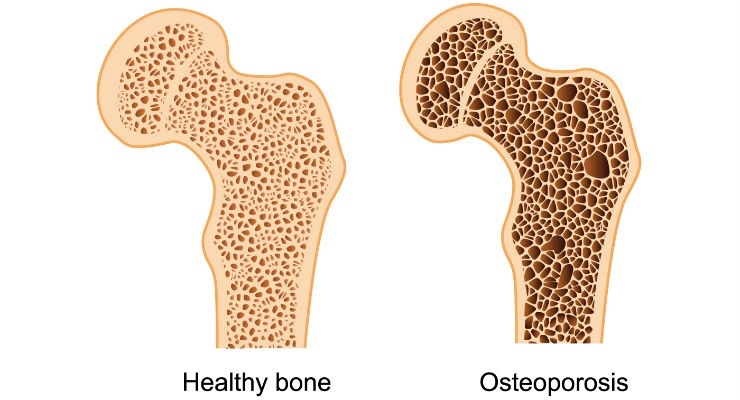
Osteoporosis is a chronic progressive disease of multifactorial aetiology and is characterised by low bone mass and micro architectural deterioration of the bone tissue with increase in bone fragility usually becoming evident after a fracture. It is a serious health issue with devastating physical psychological and economic consequences.


 How common is Osteoporosis?

Osteoporosis is quite common in the general community. 56% of the women and 18%of the men above the age of 50 Yrs have Osteoporosis.


How does osteoporosis happen?

The bones of the body are in a constant state of turnover. There is continuous bone resorption and build up. This process is referred to as remodelling. Osteoclasts that resorb bones are modified hematopoietic cells that can remove old bone within a matter of a few. Osteoblasts on the other hand are the cells that rebuild the bone and take a few months to produce new bone. Therefore weakening of the bone could happen quite quickly if the processes that increase Osteoclastic activity set in, as in the case of hormone withdrawal in menopausal women. Aging on the other hand causes osteoporosis by reducing Osteoblastic activity and bone building.


When does Osteoporosis happen?

Bone density reaches a peak around the 3rd decade of life after which it starts to reduce. Osteoporosis becomes evident usually after menopause in women and after the age of 50 in men. Osteoporosis begins much earlier, develops faster and is more severe in women.


Women. Men

Bone loss. Earlier and faster. Later and slower

Average bone loss at all sites. 3.4-4.8%. 0.2-3.6%

Fracture risk increased from age. 55 yr. 65 yrs

Mortality after fracture. 17-25%. 31-37%


What are the symptoms of Osteoporosis?

Osteoporosis is usually a silent disease and usually becomes evident only after a fracture. Pain the back or the hip after minor injury may signify the development of a fracture. 2/3rd of vertebral fractures are painless and they could occur aver very minor trauma. Loss of height or bending (stooped posture) in the elderly may be other symptoms of Osteoporosis.


 When do you start screening for Osteoporosis?

It is recommended that screening is started above the age of 65 yrs for women or after menopause especially with risk factors. In men, it is recommended above the age of 70 yr or if aged between 50-65 yrs only if risk factors are present.


How is Osteoporosis diagnosed?

The gold standard test for the diagnosis of Osteoporosis is the DEXA scan (Dual Energy X-ray Absorbtiometry). The DEXA scan reports 2 scores. The T score compares the patients bone density to that of a normal person. The Z score compares the patients bone density to that of his peers (the Z score is usually used for Premenopausal women, men <50yrs of age and in children)


WHO classification of Osteoporosis by DEXA scan

 0 and Above. Normal

-1to -2.5. Osteopenia

Less than -2.5. Osteoporosis

Less than -2.5 with fracture Severe Osteoporosis


For the Z score <2SD is below what is expected for age gender and ethnicity I.e., is abnormal.


What are the other useful tests that are required for Osteoporosis treatment?

The following tests are useful for the management of Osteoporosis:

Complete Blood counts

Liver function tests

Renal function tests and electrolytes

Thyroid function tests

25 hydroxy cholecalciferol assays

Serum Protein Electrophoresis

24 hr Urine calcium to creatinine ratio

Serum Testosterone and LH/FSH assays

DEXA scan

Vertebral X-rays


What are the factor that accelerate Osteoporosis ? (risk factors)

There are many risk factors for osteoporosis. They can be broadly divided into the following categories. These risk factors would accelerate the development of Osteoporosis.

1. Age

2. Calcium and Vit D deficiency and protein deficiency

3. Immobility and bed ridden state.

4. Hormonal – Estrogen deficiency (Late menarche, early menopause, surgical menopause)

Male hypogonadal state.  

Diabetes

Acromegaly

Addison’s Disease

  Glucocorticoid excess

Hyperthyroidism

Hyperparathyroidism

Hyperprolactinaemia

Pregnancy

4. Substance abuse – Alcohol intake and smoking

5. Drugs – Anticonvulsants

    Antipsychotics

    Antiretroviral

          Aromatase Inhibitors

    Cytotoxic chemotherapy

      Glucocorticoids

    Heparin

      GNRH/LHRH agonists

    SSRI

6. Post surgery – bariatric surgery

    Gastrectomy

7. Systemic diseases – Congestive Cardiac Failure

  Renal failure

  Cirrhosis of Liver

  Connective tissue disease

  Rheumatologic disease

How is osteoporosis managed?

The first step would be to interpret the DEXA scan.

The FRAX (WHO) score would have to calculated for those with Osteopenia. Treatment would be indicated if the 10yr probability of a Hip fracture was >/= 3% or the 10yr probability of any osteoporotic fracture was >/=20%.


All Patients would need to take in adequate Calcium and Vit D supplements and do adequate Muscle strengthening, weight bearing and antigravity exercises.


Patients with Osteoporosis or Osteopenia with a high FRAX score would need to be started on pharmacological therapies. While all medicines are approved for women, Bisphosphonates are preferred for men with Osteoporosis.


The American Association of Clinical Endocrinologists recommend the following choice of medicines:

1st line – Alendronate, Residronate, Zolendronic Acdid,(reduce both vertebral as well as non-vertebral fractures) and Denosumab (also for steroid induced osteoporosis)

2nd line- Ibandronate (has not been shown to reduce non-vertebral fractures)

3rd line – Raloxifene for women

4th line- Calcitonin

Others: Inj.Teriparetide is reserved for those with high risk for fracture who have failed Bisphosphonate therapy

To treat underlying Hyperparathyroidism and Hyperthyroidism.

Vertebroplasty and Kyphoplasty as indicated for severe pain from fracture vertebra.


How is Osteoporosis prevented?

Osteoporosis is inevitable with age. However it is believed that certain controllable factors could help in preventing or delaying the onset of osteoporosis. An active lifestyle with adequate outdoor exercise (especially in the Sun), doing antigravity resistance exercises, taking adequate calcium and Vitamin D, avoidance of sedentary lifestyle and Cigarette smoking and excessive alcohol use are all believed to prevent Osteoporosis.  Early detection of bone demineralisation (Osteopenia) and initiation of pharmacologic treatment as well as lifestyle changes can prevent and delay the onset of Osteoporosis.


Obstructive Sleep Apnoea

What is Obstructive Sleep Apnoea?

It is the recurrent functional collapse of the upper airway during sleep causing complete cessation of airflow despite continued respiratory effort. It causes a drop in the Oxygen level and an increase in the Carbondioxide levels in the body.

How is Sleep Apnoea diagnosed?

OSA is diagnosed based on a Polysomnography study (Sleep study). The test measures the Apnoea( complete cessation of breathing) Hypopnea (shallow breathing) Index. An AHI greater than 5 indicates Sleep Apnoea. Once diagnosed, other tests that will be required are OPG and lateral cephalogram x-ray, CT craniofacial and airway study, a trans nasal flexible laryngoscopic examination under sedation. All assessments would be supervised by an ENT surgeon who has a special interest in sleep apnoea.

What are the risk factors for Obstructive Sleep Apnoea?

Advancing age, Male gender, Obesity, Craniofacial anomalies including adenotonsillar hypertrophy, Smoking, Menopause, family history, Pregnancy, End stage Renal Disease, Congestive Cardiac failure, COPD /Asthma, Post Traumatic Stress Disorder, Strokes and Polycystic Ovary disease are risk factors for developing OSA.

The incidence of Sleep Apnoea increase significantly with increasing body weight. In one study done the prevalence of Moderate OSA (AHI score >15/hr) increased as follows:

Normal Weight

Overweight

Obese

Males

11%

21%

63%

Females

3%

9%

22%

What are the ill effects of Obstructive Sleep Apnoea?

OSA disturbs sleep at night and therefore causes increased daytime sleepiness. It also affects concentration, causes headaches, irritation and cognitive and Psychiatric impairment. At night it causes restlessness and snoring. The cardiac side effects of Sleep Apnoea include Systemic and Pulmonary Hypertension, Coronary Artery disease, Arrhythmias, Heart Failure and Strokes. Sleep Apnoea is associated with Fatty Liver, Metabolic syndrome and Type 2 Diabetes mellitus and increase the chance of Perioperative complications. An AHI >/= 30 is associated with a 203 fold increased risk for all cause mortality.

How is Sleep Apnoea managed?

Treatment for chronic diseases such as heart failure, COPD would need to be optimised first. Obesity and weight reduction would be mandatory requirement for good response to treatment given. The first line in the management would be provision of nocturnal CPAP therapy through an appropriate device.

Oral appliances can be tried if patient is intolerant to nocturnal CPAP. Surgery may be indicated for people who have not responded adequately to nocturnal CPAP and oral devices despite persevering for at least 3 months. Hypoglossal nerve stimulation may also be helpful in select patients. Patient education to change behaviour would be crucial in the successful management of OSA. Complete abstinence from Alcohol and cigarette smoking would be very important too.

What are the indications for nocturnal CPAP treatment?

Nocturnal CPAP is indicated for all patients with OSA who meet the following criteria.

1. AHI > 15/hr with or without symptoms

2. When AHI between 5-14/hr, CPAP is indicated when you have excessive daytime sleepiness and fatigue, insomnia at night or non-restorative sleep, breath holding or choking and gagging in sleep, mood and cognitive disturbances or in the presence of systemic illnesses such as high BP, heart disease, heart failure, strokes, atrial fibrillation and diabetes.

3. RERAs > 10/hr with excessive daytime sleepiness even if AHI is <5/hr (RERA = Respiratory Effort Related Arousal)

Unfortunately, adherence to CPAP use at night is an issue and unto 40% of patients would refuse to use it.

What are the medicines that can be used in people with OSA?

Medicines have a limited role in the treatment of OSA. Medicines such as Theophyllines and Acetazolamide increases the respiratory drive and Desipramine reduces the upper airway collapsibility. Dronabinol 1 hour before sleep can reduce apnoea AHI significantly. Persistent daytime sleepiness can be treated with Modafinil and Armodafinil.

What are the Oral Appliances that can be used in people withOSA?

Nasal splints, expiratory valves, chin straps and mandible advancement devices are some of the appliances available.

Who will benefit from surgery?

Although there is no consensus regarding when or who will actually benefit from surgery, surgery is usually offered for whom a CPAP or a oral device has not been effective, even after a 3 month period. Surgery could be the first line of treatment for children with OSA especially in whom an enlarged adenoid or tonsils is believed to obstruct the airway during sleep. In adults, surgery is planned when there is a fixed correctable airway obstruction. Selection of patients should take into account 3 factors namely, patient’s desire for surgery, existence of a surgically correctable problem and fitness for surgery.

What are the surgical options in Sleep Apnoea management?

The Sleep Surgeon who is usually a ENT surgeon who has special training in Sleep Apnoea will do a complete assessment to identify the site of the airway obstruction, prior to surgery. Nasal abnormalities such as Concho Bullosa, Nasal Polyposis, Septal Deviations and Hypertrophic Turbinates may need to be corrected to improve the airway obstruction. Nasal surgery as a stand alone procedure does not relieve OSA effectively.

Tongue reductive surgeries and surgery on epiglottis may be planned if indicated.

If the obstruction is in the palate or the upper oropharynx due to recurrent uvular swelling, tonsillitis and tonsillar pellets, Uveopalatopharyngoplasty (UPPP) along with tonsillectomy/adenoidectomy may be required to relieve the airway obstruction.

Select patients would require Global Upper Airway procedure with maxillomandibular advancement. This is a large procedure and is usually reserved for those with persistent OSA despite site directed surgical treatments. This has a success rate of 86% and a cure rate of 43%. Lastly, Hypoglossal nerve stimulation may be considered. The FDA recommends this procedure for adults above the age of 22 with moderate to severe predominant OSA and who have failed nocturnal CPAP treatment.

Kindly contact us with any queries regarding sleep apnoea on 0091 733 888 4562 or email us at dakshinmedicaltourism@gmail.com

Visit us at https://www.dakshinmedicaltourism.com

How to choose your Doctor!

I write this article to help the reader choose the correct doctor for himself. I see a lot of patients in my daily practice and have had the chance to see how they connect with different doctors, how they struggle with their chosen doctor. I write with an intention to put things clearly for my own patients as well as those who are keen to know more about how to select a good doctor for themselves. In India, patients have a pretty unique problem in that there are no standards for doctors. You may find doctors of very varied abilities, treatment philosophies and standards in the very same institution. For example, you could find doctors following the American/European/British and Indian guidelines to treat the same disease in the same hospital. I hope that this article will help the patient understand and choose the best doctor for himself.

How people choose their doctors normally!

Usually patients are brought to a particular doctor by an “interested third party” (referred). It may be a close friend, family member, relative, neighbour or even just a well intention-ed do-gooder! Sometimes people search online or just walk into the hospital, ask around and walk into the Doctor’s Out-patients’. Some, would have met a doctor on a social occasion and would then decide to go to him when the need arose.

People also look for doctors only when they are unwell. Some would go to the local/neighbourhood GP (easily reachable, easy on the wallet and with walk-in appointments) and then start searching for higher levels of expertise only when they don’t respond to the treatment given.

For many people, finding a good doctor is by chance/Luck!

Different Strokes for different folks!

Patients come in with different mindsets. Some of the different approaches are as follows

1. Some patients have Blind Trust – Such people accept without question all recommendations and “submit” to the Doctor’s care and give them a free hand to investigate and do the needful.

2.Some patients need convincing – Some come with an attitude of listening to what the doctor has to say. They may not accept all the recommendations made, they may ask for explanations and then accept them only if convinced.

3.Some will do as they please – Some patients come to the doctor for a diagnosis but then would go on to not taking the recommendations given or designing their own treatment. I have a patient who come to me for a diagnosis and then take homeopathic medicines on her own (including homeopathic vitamins!)

4.Some are doubting Toms – Some patients would google around, question the doctor (the inquisition!) and get second opinions for the same problem and then do as they please. they may or may not accept any of the recommendations made. Their belief in Dr.Google is much higher than any doctor that they can meet face to face!

5.Some are pessimistic – and would doubt if anything would work at all.

Doctors are not all the same:

1. Some have a patriarchal attitude – would like to play God, not tolerate any questions and would demand a free hand to deal with the medical problem as they wish.

2. Some will be very patient and hear you out fully.

3. Some doctors will be willing to give you limited time only. For example, I set out to give my new patients 20 mins and 10-15 mins for the old (review) ones in my Out Patients. Of course sometimes it would take longer.

4. Some doctors will be willing to explain in detail and involve you in the management planning and some may not. Some will not share information such as the blood reports (especially if you are the attendant) and some will share all details with you.

5. Some doctors are “commercial“. (requesting too many tests)

6. Some doctors rely solely on their clinical judgement. (one man show)

7. Some doctors are excellent Team players and have an excellent network of specialist to support their practice.

8. Some doctors work in small clinics, some in small and medium hospitals and some in large Corporate Hospitals and reputed Centres.

Unfortunately, there is no easy way to grade these doctors based on where they work. Patients therefore often rely on second hand information to choose their doctors. And this isn’t the right way to do it.

There are different qualities that go to make a good doctor!

1. Theoretical knowledge and keeping yourself up to date.

2. Diagnostic abilities

3. Therapeutics and knowledge of medication and how to use them.

4. Procedural skills (Operative skills especially for the surgeon)

5. People and communication skills.

6. Speciality knowledge (of other specialities)and knowing when to refer.

7. The Team (of Doctors -of quality specialists who support the Doctor’s practice)

8. “AFFABLE, APPROACHABLE, AVAILABLE AND ABLE!”

Doctors working in different setting may have different abilities, perspectives, Intentions and shortcomings!

A m in a small clinic may have limited knowledge, limited contacts and therefore limited ability to help you. The advantage may be of low cost treatment with short waiting times.

A may have a better team (of supporting specialists) to treat you in case of serious illness. The quality of the team could however be variable. The patient may need to travel outside the hospital for specialised tests such as MRI/PET scans etc. The quality of care could depend on the philosophy of the hospital owner and the supporting specialists.

In a Corporate Hospital, the care could be of a very high standard but could also be very expensive or without personal touch. Improved hospitality and facilities (all under one roof) would come at a tremendously increased cost. The Quality of the treating doctor may also vary and personalised care may not always be possible especially if the doctor is too busy. The doctor may have too little time to spend talking to the patient.

So what I recommend to those looking for a Doctor is

1. Begin your search for your Doctor much before you actually need one.

2. Have a doctor who is interested in coaching you on how to stay healthy.

3. Find a doctor who isn’t too busy to give you “enough” time and whom you could approach for every small ailment.

4. Find a Doctor who has a good Team to treat you in case of more advanced disease and who can give you impartial advice based solely on your needs and who can refer you on to the right specialist for you.

I wish you my very best in your search for your perfect doctor!

Hormone therapy at Menopause

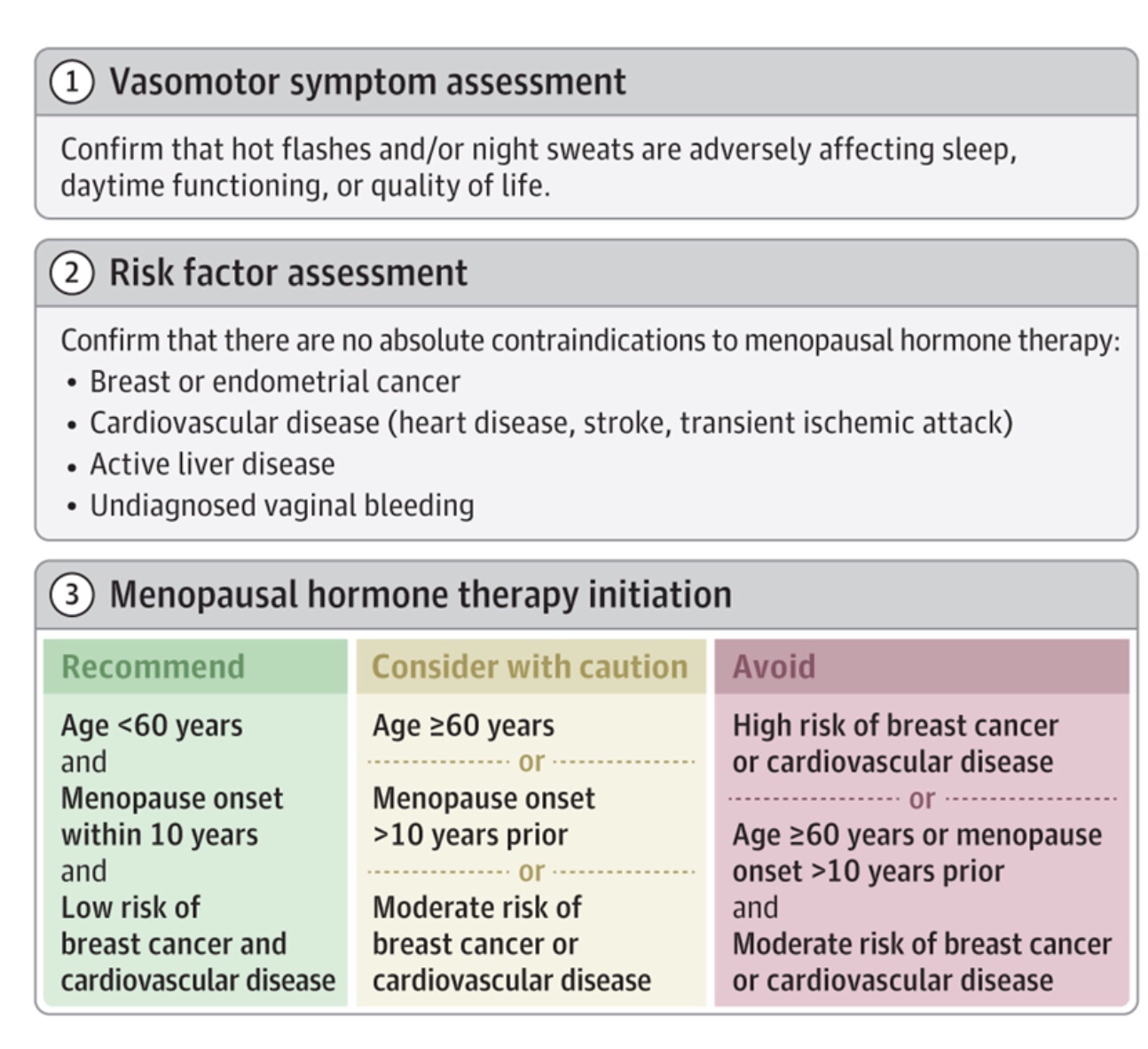
Menopausal Hormone Therapy (MHT) is predominantly indicated for 3 purposes – Vasomotor symptoms, to reduce fracture risk and to treat genitourinary syndrome of Menopause.

Vasomotor symptoms affects 70% of mid life women. Hot flushes and night sweats affect sleep, daily functions, quality of life and affect cognition and cause mood swings. MHT is the most effective treatment for Vasomotor symptoms. In the absence of Vasomotor symptoms alternative therapies must be used to reduce fracture risks and treat genitourinary syndrome of menopause.

General notes on MHT

-MHT provides very low doses of Estrogen compared to physiologic levels and has a high degree of safety compared to Oral Contraceptive Pills.

-The lowest effective dose is used and therefore the patient must be warned that it may take a considerable time before the benefits are noted (up to 3 months).

-Only Estrogens are given for people without a uterus. Both Estrogen and Progestogens are given for women with intact uterus (to prevent endometrial hyperplasia). Estrogens are taken daily as pills or transdermal patches (once or twice a week) and as transdermal gels and vaginal rings. Progestogens are available as oral pills and are either take as a combined pill or cyclically for 12-14 days every cycle. The combined pill is preferred by many women in whom it induces amenorrhea. Cyclical Progestogens induce predictable withdrawal bleeding. Transdermal Estrogen patches are useful in obese women with cardiovascular risk factors.They have a “hepatic first pass” mechanism and do not increase coagulation factors and hepatic binding proteins, therefore they do not increase risk of DVT even in obese or thrombophilic patients. Progestogens cause drowsiness and may be taken at night.

– Women experiencing early or surgical menopause (<45 yrs) must be encouraged to use MHT till the age of 51 unless contraindicated.

– The decision to initiate MHT should involve careful assessment of potential benefits and risk.

– Optimum duration of treatment of MHT can vary from woman to woman.

Absolute Contraindications for MHT

1. Breast Cancer

2. Endometrial cancer

3. CArdiovascular disease

4. Active Liver disease

5. Undiagnosed Vaginal bleeding

Side effects of MHT

1. Increased risk of Strokes (additional 0.5 cases per 1000 women per year.

2. Increased Venous thrombotic events with Estrogen pills and not with transdermal patches.

3. Increased Breast cancer risk but only after prolonged use (4-5 yrs)

4. Gall bladder disease with Estradiol pill and not with Transdermal patches.