Diet, Sleep, Health, chronic disease, Mood and the Gut Microbiome

Excerpts from the BBC – I hope that the BEEB wont mind too much that I have lifted a lot out of their articles. My apologies, but this article and blog is for limited circulation only. I read the BBC news to get an international opinion on world matters. Their non-newsy article are very informative and I would recommend them as a must read for most of you.

THE LINK BETWEEN WHAT YOU EAT AND HOW YOU SLEEP

Not sleeping enough can lead to a cycle of overeating and and can cause further sleep deprivation. There are some changes that happen in the brain when you get less sleep that put you on the path of overeating and weight gain. Although it may be reasonable to think that you would need more food and calories when you’re awake, sleeping is quite an active process which requires quite a bit of calories. When deprived of sleep, there is a tendency to eat 2 to 3 times more, the amount of calories that is required. Sleeping late affects appetite by controlling the hormones Leptin and Ghrelin. Leptin suppresses appetite and Ghrelin increases appetite. When you are deprived of sleep, leptin levels drop and ghrelin levels increase leading to an increase in the appetite, increased food consumption and weight gain. In a small study, they found that participants were more likely to crave sugary and salty foods and high carbohydrate foods when they were sleep deprived. Working in shifts therefore can disrupt this cycle and make you put on weight. Further eating at night can raise blood glucose levels and increase intake of unhealthy fatty, fried foods. So the wrong kind of food eaten in large quantities can put you at risk of developing diabetes.

Melatonin is a hormone that is produced during sleep and its levels rise in the evening. Melatonin is produced from an amino acid called tryptophan which comes from protein containing foods. So it would make sense that sleep can be affected by the kind of food that you eat at night or in the evening. Diet rich in fish, nuts, seeds contain tryptophan and certain specific vegetarian food such as tomatoes, tart cherries and Kiwi fruit which contain melatonin may help people sleep better. Foods that must be avoided before sleep are caffeine which is a stimulant and salty foods are can make you thirsty and disturb your sleep. There are also some who believe that sugary foods may disturb sleep more. The reasons for this still remain unclear.
WHY YOU SHOULD GO TO SLEEP AT THE SAME TIME ALL WEEK

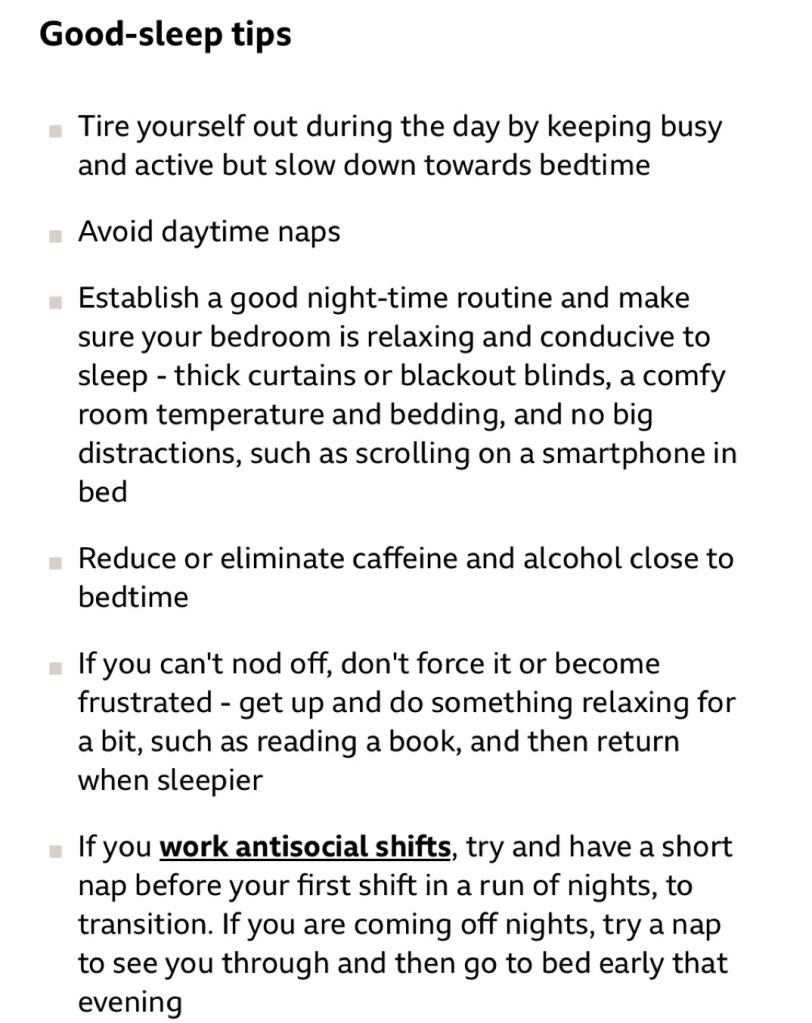
Changes in sleep patterns, habits could lead to unhealthy changes in gut bacteria which may lead to disease. In one study done of thousand adults in London, they found that a 90 minute difference in the midpoint of your night sleep over the course of a normal week could influence the type of bacteria (increase the “bad” bacterial load) found in your gut. Your gut has both good and bad bacteria and if you had a large number of the bad bacteria that could lead to certain diseases. Further, those who slept later tended to have the wrong kind of foods, those that were rich in carbohydrates (and fried in oil) such as French fries, chips and sugary drinks, further increasing the content of the bad bacteria in the gut. They also tended to consume a lot less of the good foods such as fruits and nuts and tended to eat less fibre, all of which can be linked to weight gain, poor sleep, fatigue and illnesses. While the relationship between sleep, diet and gut bacteria is complicated and not fully clear, it is advised that you keep your sleep timings consistent and it is believed that this could improve your health and prevent disease.

HOW BACTERIA CAN CHANGE YOUR MOOD

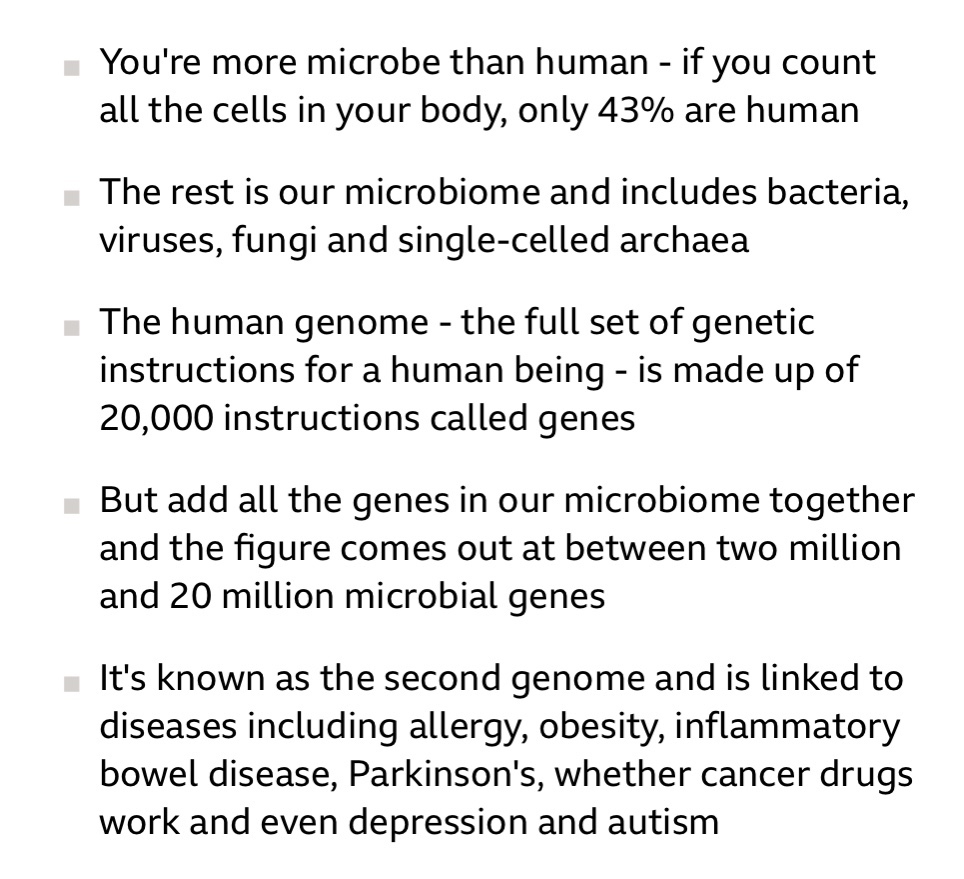
Microbiome refers to the trillions of bacteria that live on and inside our bodies. Science is only now trying to put together how these trillions of microbes affect our physical health. All of us have experienced butterflies in our tummies before exams and job interviews. Groups of scientists now believe in the existence of “mood microbes or psychobiotics“ which can improve mental health. Scientists in Japan showed the “germ-free” mice – those that never came into contact with microbes put out twice the amount of stress hormones ( adrenaline, cortisol etc) when distressed than normal mice.

So how might the brain be affected by the bacteria in the gut?

1. The Vagus nerve extending throughout the length of the gastrointestinal tract conveys all messages to the brain from the gut.

2. The bacteria break down dietary fibre to produce short chain fatty acids (SAFA) which can affect the brain and the rest of the body.

3. The microbiome influences the immune system and this can also affect brain function. The gut bacteria are constantly entering the circulation via the portal vein which carries all absorbed nutrition from the intestines to the liver and then onwards to the rest of the body. The liver is an important immune organ filtering the blood entering from the intestines and clearing it of all the bacteria.

4. There is also some evidence that bacteria could produce tiny strips of genetic code called micro RNA that can alter the way the DNA works in the nerve fibres.

We live in a world where our bodies are constantly coming into contact with germs from the environment and which are constantly trying to enter our bodies. A healthy well balanced, microbiome (a diverse gut bacterial population) is a essential for good health. Studies done have shown that clinically depressed individuals have a narrow(er) spectrum of gut bacterial diversity. While this may not be the only cause for depression, this reduced diversity of gut bacteria may have a role in the development of depression. Certain lifestyle changes such as diets which are poor in fibre are known to weaken our gut bacterial population and diversity and could make us more vulnerable to depression.

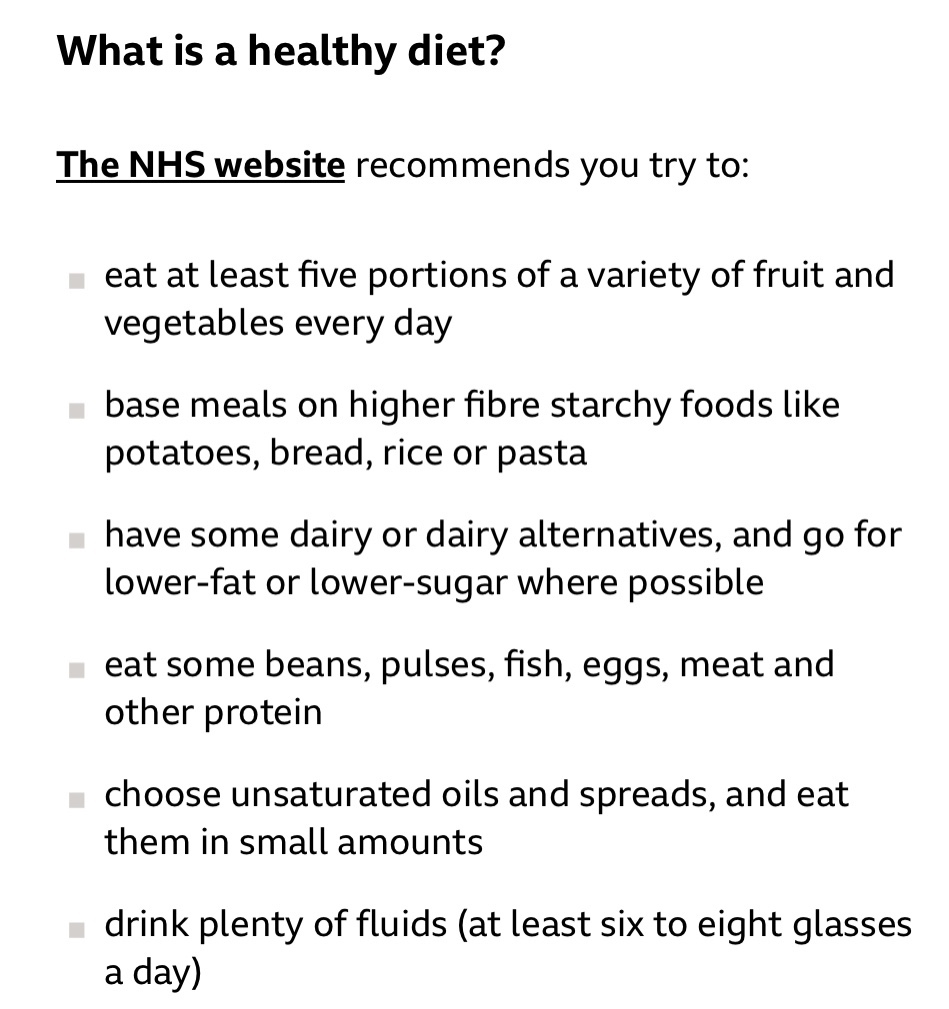
There have been studies where “poo” from a depressed person, when transferred to a lab rat produced changes similar to depression in the lab rat. Similar changes have been noticed when poo from patients with Parkinson‘s disease was transferred to the lab rats which then demonstratted the worst symptoms compared to other lab rats which received faeces from healthy human beings. From this, it might appear that changes in the microbiome could also have an association with Parkinson’s disease. It may be safe to conclude that the gut microbiota affects the brain significantly and should highlight to us that we should ensure that we have a well-balanced diverse gut microbiota by eating healthy foods that are rich in fibre such as fruits, vegetables and nuts and reduce our intake of over-cooked processed foods such as fries, chips, cakes etc which have zero microbial benefits!

MORE THAN HALF YOUR BODY IS NOT HUMAN

Human cells only make a 43% of all cells in an adult body. The remaining 57% is called the microbiome i.e., the organisms that live on and inside the human body. The microbiome is essential for health. No matter how well you wash your body you can never remove all the bacteria that’s on the surface. The microbiome includes bacteria, viruses, fungi, and archaea (those previously misclassified as bacteria). The majority of the bacteria that make up the microbiome exist in the oxygen deprived corners of the human bowel. Surprisingly what makes us human, according to an experts is a combination of our own DNA plus the DNA of the gut microbes. It would’nt be wise to assume that we could carry so much of microbial load without our human cells interacting (talking) with them all the time. The human microbiome not only helps in digestion but also in the immunoregulation, generation of vitamins and micro nutrients and protecting against disease. As good and effective as Antibiotics are against a variety of bacteria, they can cause havoc amongst gut microbes by killing even those bacteria that are good for us. The imbalance thus caused may lead to issues such “antibiotic associated diarrrhoeas” and may also encourage the development of antibiotic resistance. It is for this reason that doctors are encouraged to use antibiotics sparingly and that too for the shortest duration. A diet of burgers and chocolate will not only affect your gut microbiota but affect the way food is metabolised (handled) and can increase your risk of obesity and other diseases of the digestive tract.

While we have already spoken about how fecal transplantation can affect lab mice there is also growing evidence that repairing someone’s microbiome can actually lead to remission of a variety of diseases including ulcerative colitis, a type of inflammatory bowel disease. Microbial medicine is still in its infancy, but our increasing knowledge of the gut microbiota could play a important part in the future in maintaining health, preventing disease or even treating disease.
FIVE HOURS OF SLEEP IS THE TIPPING POINT FOR BAD HEALTH

I usually tell my patients that they should get 7 to 9 hours sleep every night. There have been some studies to show that sleeping beyond nine hours a night can lead to disease too. In this article from the BBC, they talk about how, for those about age of 50 years, sleeping for less than five hours could increase the chances of multiple chronic health problems. In a study of about 8000 participants who were given a questionnaire and were asked about having chronic conditions such as diabetes, cancer, heart disease and were followed up for over 20 years– they found that in those who slept for five hours or less, the risk of multiple chronic ailmenents was 30% more compared to those who slept for seven hours. In the same group for people they found a higher risk of death mainly due to these chronic diseases. Sleeping poorly on a daily basis can affect your health. Causes need to be ascertained and treatments need to be given. Sleep disorder is a new speciality in medicine drawing doctors from varied specialties such as ENT surgery, Pulmonology and even Neurology! Disorders of sleep must be identified and cured.

In the news – June 2023

Sucralose damages DNA and is linked to a leaky gut.

Sucralose is 600 times sweeter than table sugar and is used in a variety of foods such as beverages, chewing gums, gelatin and in frozen desserts and baked goods. A new study reveals that sugar substitute Sucralose is extremely unhealthy and is requesting the government to regulate it more. The study showed that sucralose makes the DNA break apart putting people at risk for disease and also leads to a leaky gut syndrome that may cause burning pain, indigestion, gas, bloating and diarrhoea. Sucralose once ingested is converted to sucralose 6 acetate, which is believed to be toxic to the genes of the cells. The damage genes could lead to disease and even cancer and that is what we should be afraid of.

Use of aspirin has been tied to a reduced risk of colon cancer

Aspirin is a medicine used very frequently by most of us. It is commonly used to provide relief for a headache and more importantly by people who have heart and other circulation related diseases. A recent study done has shown that regular use of aspirin brings about a 15% reduction of all Colonic adenomas and a 33% reduction in adenomas with worrisome features. Aspirin has also been shown to be good in preventing dementia. The good effects of aspirin need to be balanced against the potential side-effects, the most worrying being of intestinal bleeding.

Cooler climate can help you live longer

A recent article states at moderately cold temperatures can improve your lifespan and reduce your chances of developing age related diseases such as Dementia, Parkinsons disease and others. Cold weather activate the cellular cleaning mechanisms which removes chains/clumps of proteins inside the cells that may be responsible for cellular dysfunction, organ dysfunction and eventually disease of ageing. Therefore a moderate drop in the temperature might have significant benefits. So we may now have good medical reasons to shift base from Chennai to the colder climes of Ooty and Kodaikanal.

Why do I feel so tired, Doc?

Fatigue is not an uncommon complaint that a doctor hears at his clinic. This term however could mean many things to many people. While there are many normal causes for fatigue and tiredness, I would like to write about the abnormal (pathological, disease related) causes for tiredness that the reader needs to be aware of.

Fatigue could happen normally from doing unaccustomed severe exertion or exercise or due to inadequate rest and recovery after exertion, sleep deprivation, travel thorough different time zones (Jet lag) or due to obesity, under nutrition and severe emotional stress. You could recover from fatigue from the above causes by taking adequate rest. So why should fatigue persist even after taking enough rest and what could the reasons be for it?

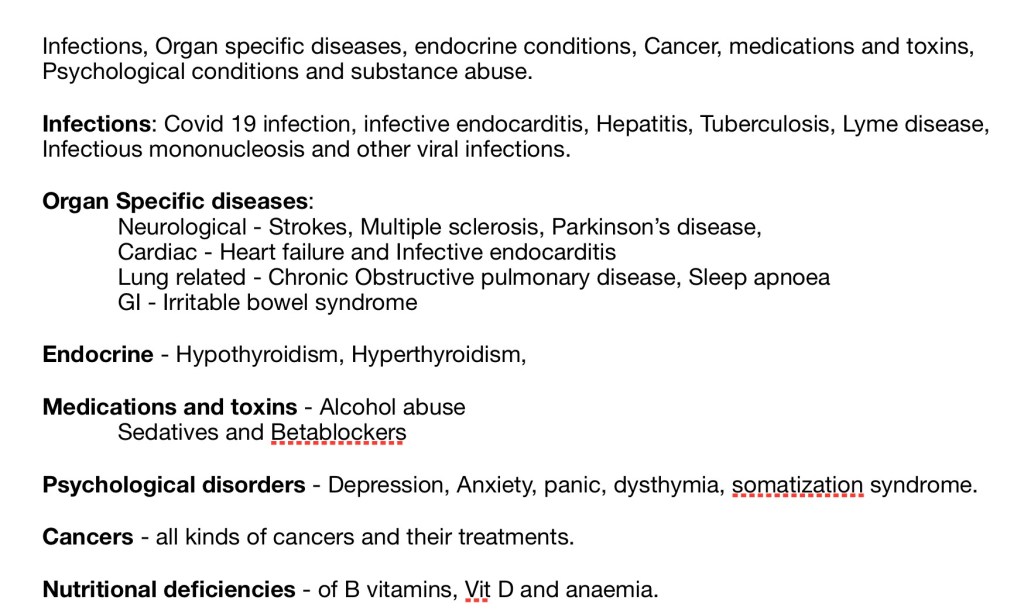
Pathological fatigue has many causes. Broadly they may be grouped into the following categories.

Significant Fatigue is when fatigue persists for at least 2 weeks and can affect upto 25% of the population at some time. Chronic sleep deprivation (sleep apnoea) can also be a cause for severe fatigue.

Chronic Fatigue is when fatigue affects the person for more than 6 months.

Alarm signs in Chronic fatigue:

1. Anorexia and weight loss (>10% per 6 months)

2. Enlarged Lymph nodes.

3. Memory and concentration impairment

4. Inability to function due to myalgias, arthralgias, headaches etc.

5. Deep depression

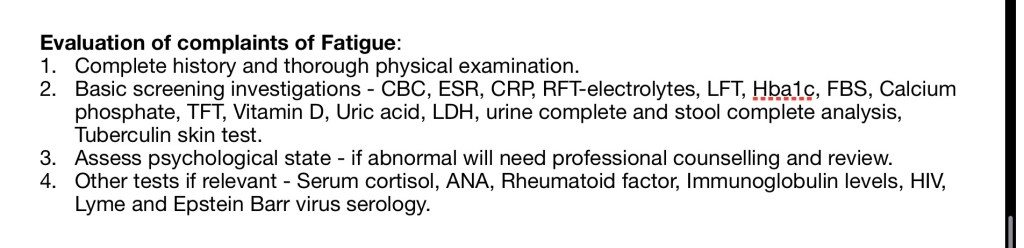
Evaluation of complaints of Fatigue:

Treatment of Fatigue

Identification and treatment of the cause for fatigue will cure the problem most of the times`.

Interventions that may be of benefit for people with problematic fatigue are:

1. To fix lifestyle abnormalities – to regulate lifestyle, to eat, sleep on time.To exercise regularly – resistance as well as aerobic training reduce fatigue. (Graded exercise programme)

2. Use of nocturnal cPAP for those with Obstructive Sleep Apnoea

3. Medications – Melatonin or nocturnal sedatives

– Modafinil or Armodafinil

– Testosterone replacement therapy for those with deficiency

– Steroid replacement therapy for those with adrenaline insufficiency

– Correction of Vit D and other vitamin deficiencies.

4. Cognitive Behaviour therapy provided by an experienced psychologist.

A note of Long Covid Syndrome:

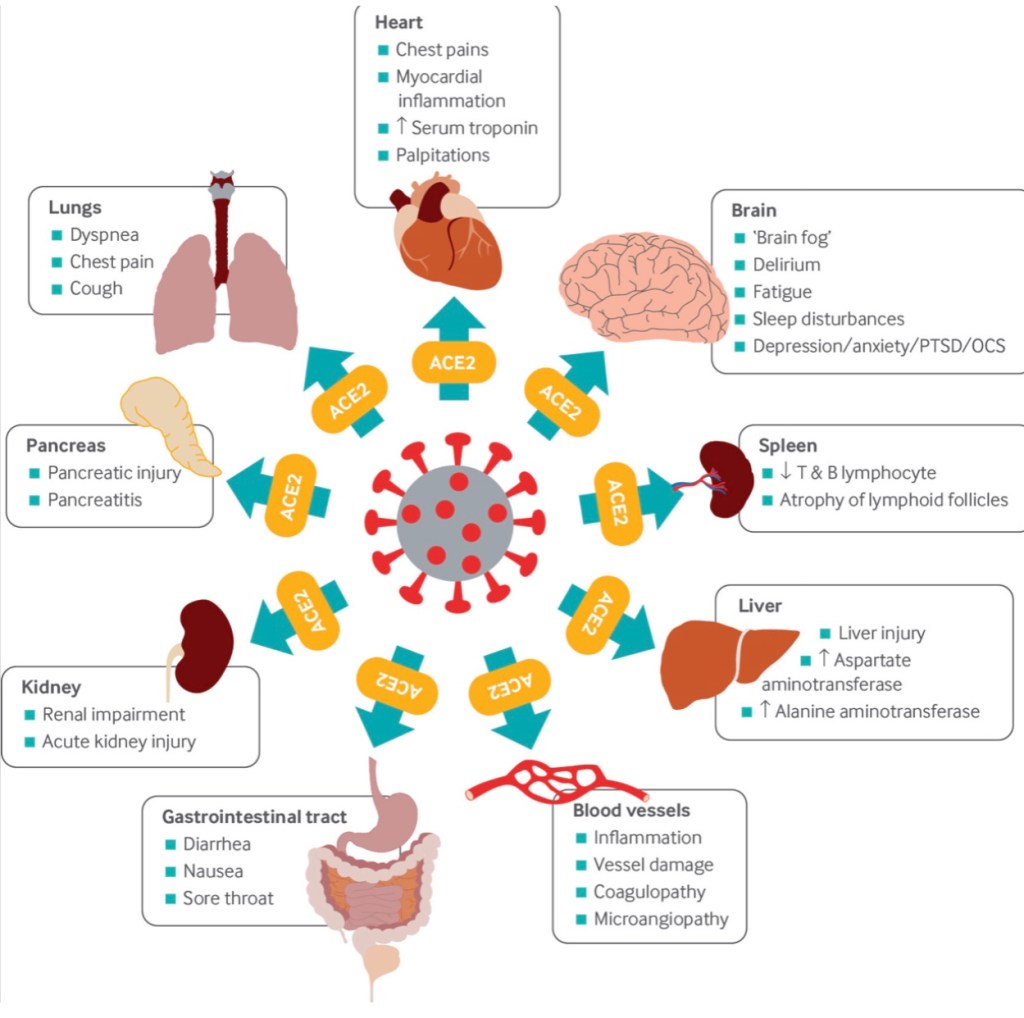
Covid 19 infection has been the most common cause for prolonged fatigue over the past 2 years. Long covid syndrome refers to the persistence of symptoms many weeks after the acute infection. Fatigue is a persisting symptom irrespective of the severity of the infection. In one study 92% of covid patients had fatigue 79 days after the onset of Covid infection.

Common symptoms of long covid include:

Fatigue,breathlessness, chest pain,mental fudge and cognitive abnormalities, sleeplessness, smell and taste abnormalities, headache and feverishness etc. Treatment is essentially symptomatic only.

Are all sore throats the same?

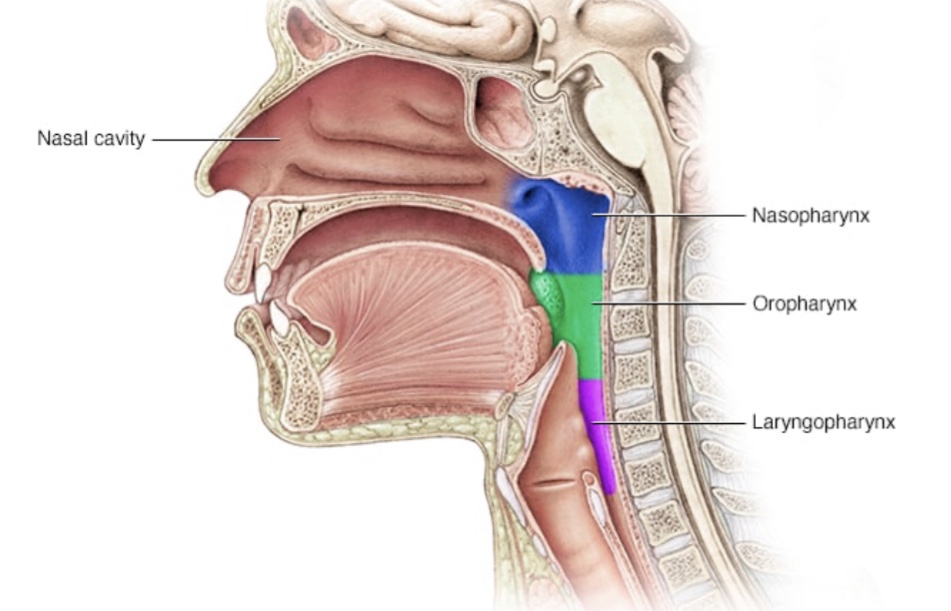
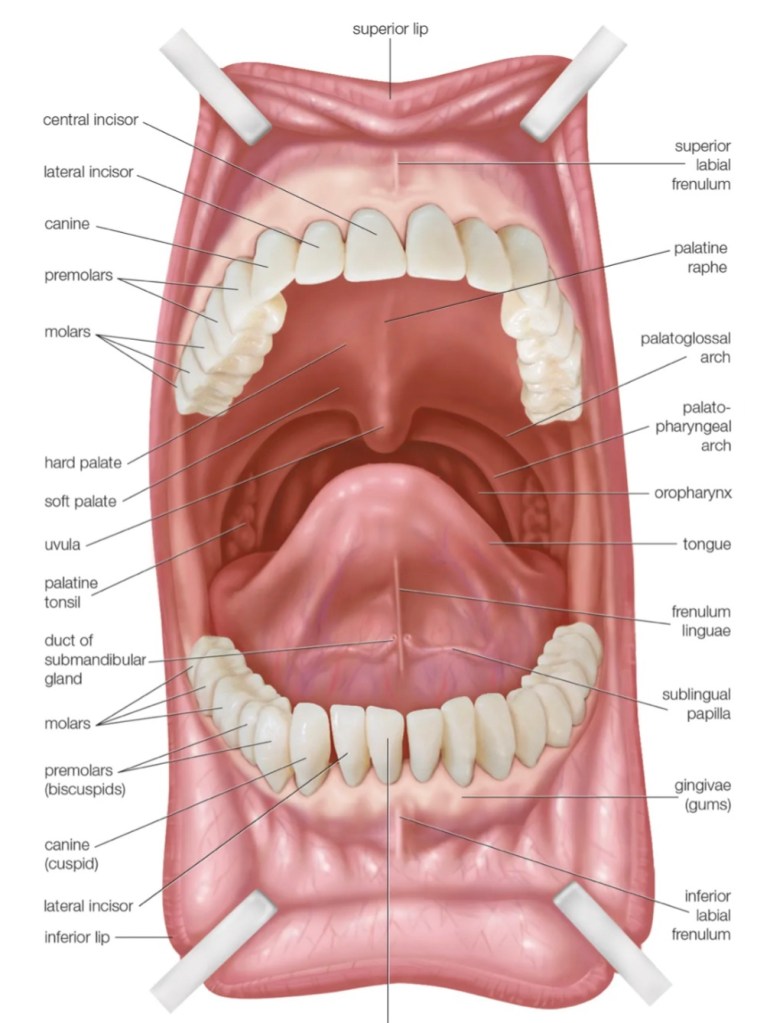
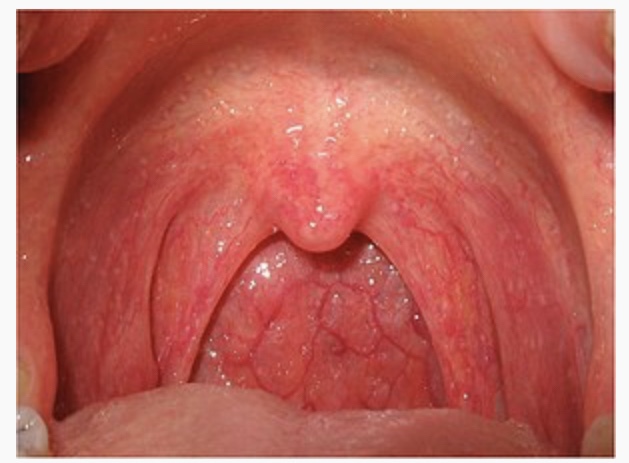
Pain in the throat can happen from many reasons. Although people may refer to the neck as the throat, what doctors consider as throat is the pharynx and the tonsillar areas. Lets have a look at the anatomy of the throat and then see how things change in disease.

The throat or pharynx is a muscular tube that connects the mouth and the nose to the windpipe (trachea) in the front and the food pipe (Oesophagus) behind. It is divided into 3 parts, the upper Nasopharynx (the part behind the nose), the Oropharnx (the part behind the mouth) and the Laryngopharynx (the lower most part behind the larynx (the voice box).

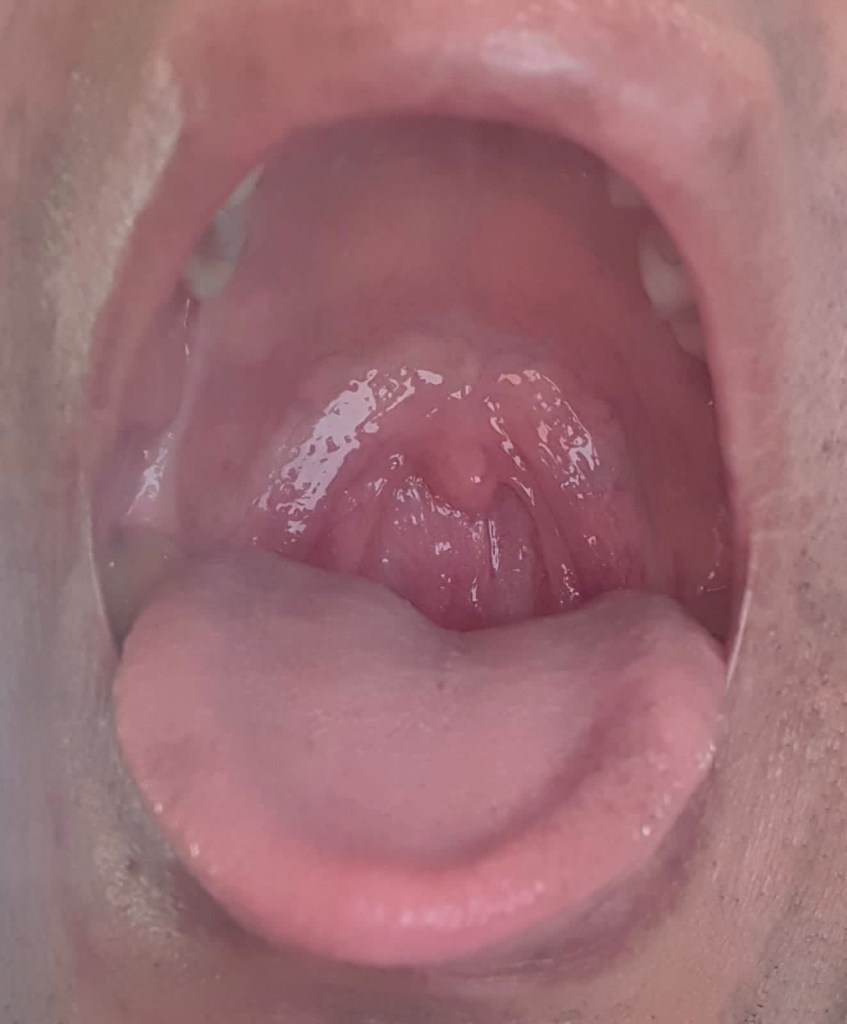
The throat or the Oropharynx is bordered by the palate on the top, the pharyngeal pillars (tonsillar areas) on the sides and the tongue below. This is the most important gateway into both the Respiratory as well as the Gastrointestinal tract and is therefore a site for frequent infections.

A sore throat occurs whenever there is inflammation in the throat. Inflammation could be due to infection or a non-infectious cause. Lets look at some of the common and not so common causes for a sore throat.

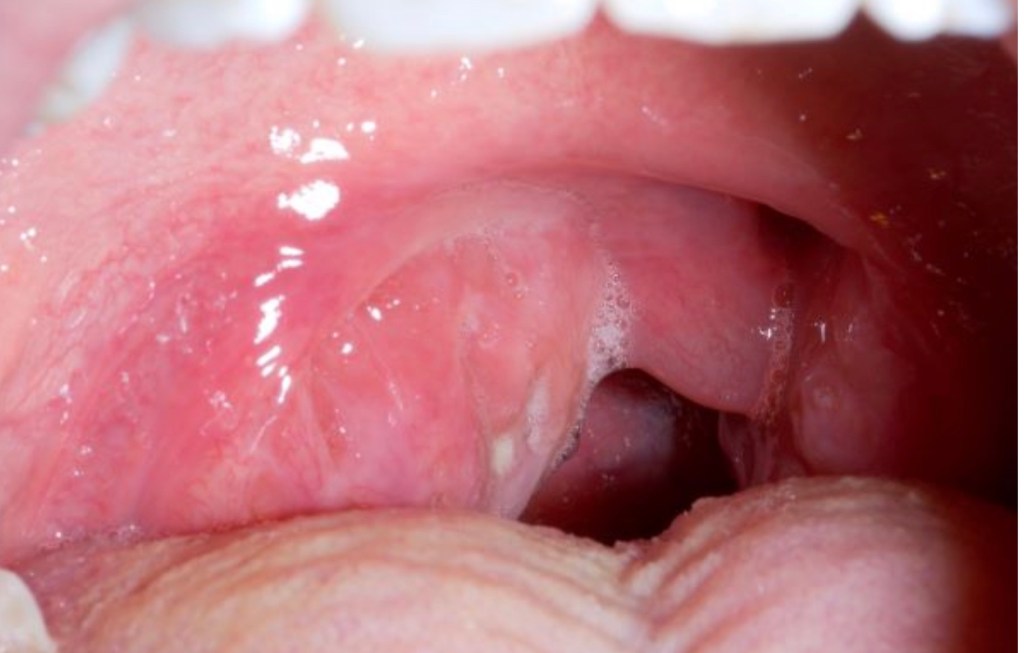
1. Viral Pharyngitis – the most common cause for a sore throat after streptococcal infection is a viral pharyngitis. This season, the commonest cause is the Covid 19 infection which causes severe and painful sore throat. Unlike a bacterial infection, the patient will have a runny nose, the throat will be erythematous (reddened) and would not show any pus points. Infectious mononucleosis (kissing disease)is seen in young patients who catch infection from kissing. The pain is often out of proportion to the severity of the pharyngitis on examination. This infection can be associated with a rash, enlarged lymph nodes in the neck and an enlarged liver and spleen. The blood smear study would show typical large lymphocytes (increased Lymphocyte count) The treatment is essentially symptomatic.

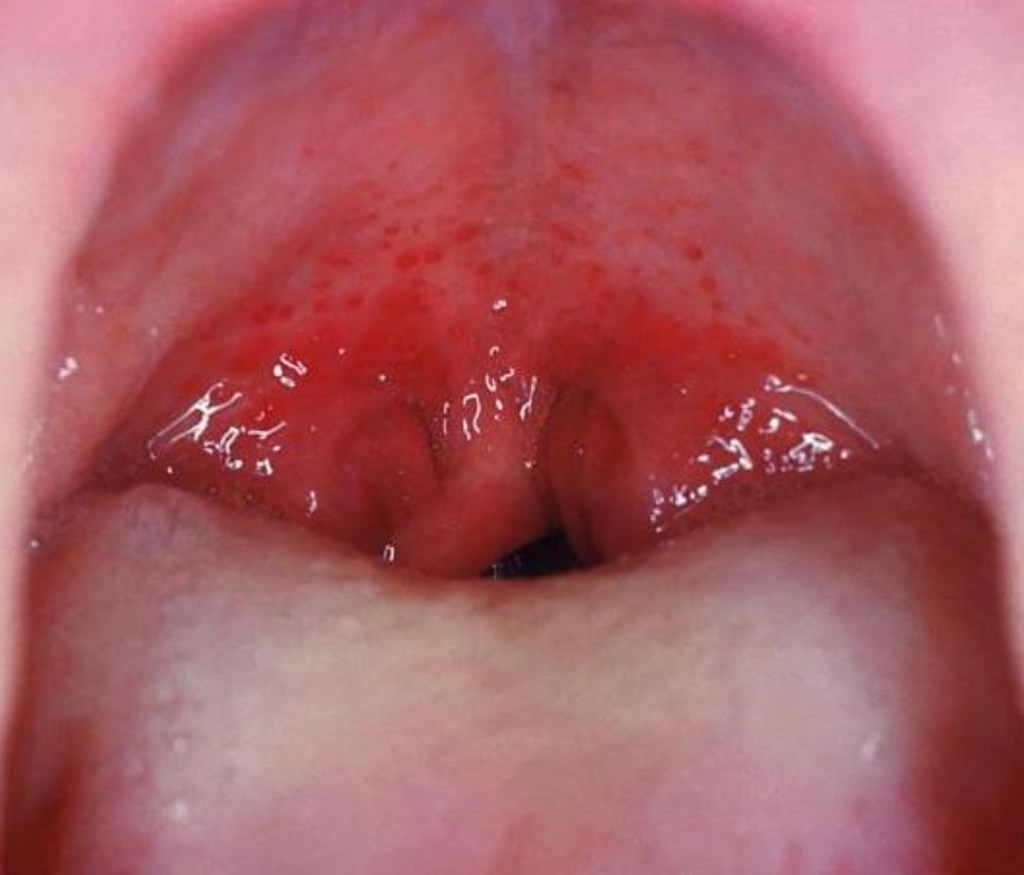
2. Bacterial (streptococcal pharyngitis and tonsillitis)

The throat shows small petichiae (bleeding spots) on the palate. If tonsillitis coexists, the tonsils are enlarged and show pus oozing from them and the lymph nodes in the neck are enlarged. Streptococcal infection is the commonest cause for a sore throat even more common than viruses. Recurrent streptococcal infection may predispose patients to Rheumatic fever and cardiac disease. Bacterial pharyngitis may also be caused by Neisseria gonorrhoea, Mycoplasma and chlamydia species. Antibiotics would be needed in many cases.

3. Peri-tonsillar abscess (Quinsy)- when the infection spreads through the capsule of the tonsil, pus collects outsides the tonsil and displaces the tonsil inwards, nearly occluding the oral cavity.Peritonsillar abscess must be treated with antibiotics and may need a drainage procedure to remove the pus and to hasten

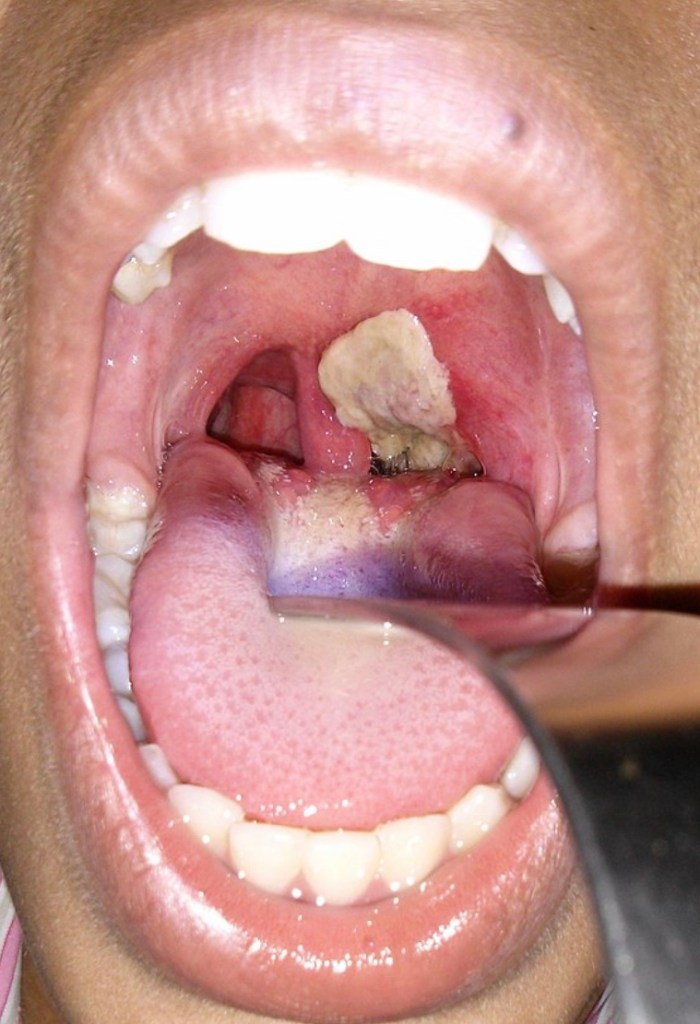
4. Diphtheria is a respiratory tract infection that cause severe pharyngitis with a thick membrane over the throat. This can be dangerous if left untreated. Prompt antibiotic therapy will be needed.

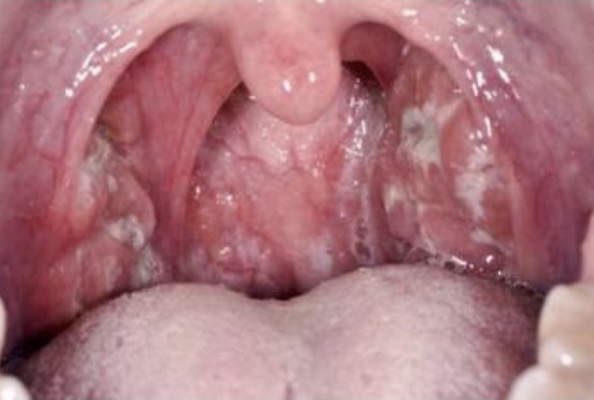
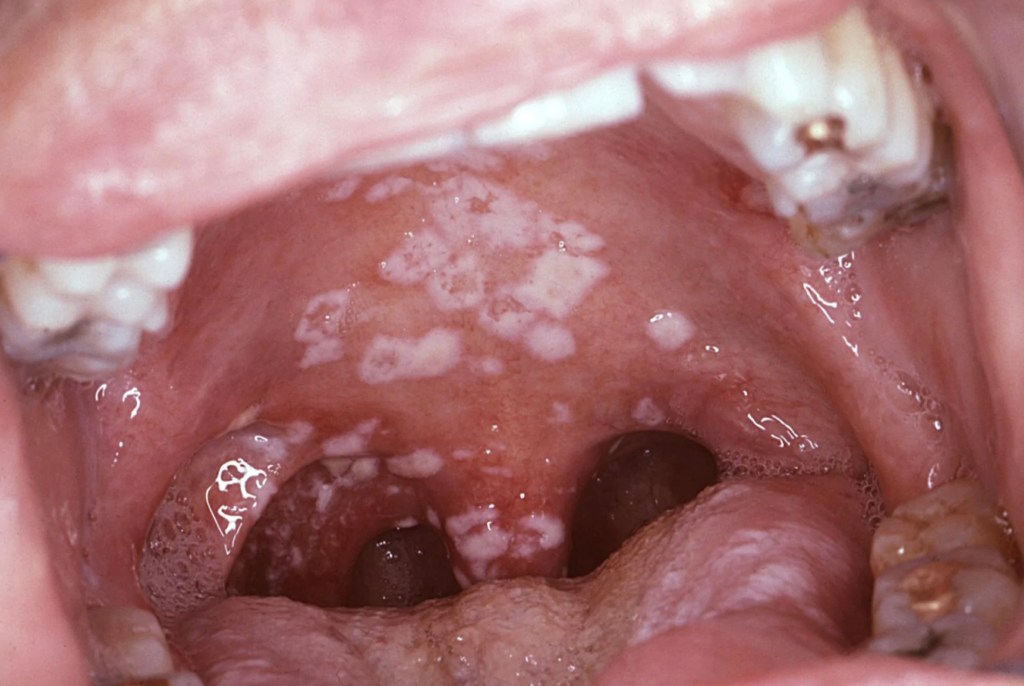
5.Oral thrush is causes by yeast like fungus called candida. This is also quite common. It is seen on those on broad spectrum antibiotics, diabetes, steroid therapy, immune compromising conditions including HIV infection. The white patches can easily be dislodged showing underlying erythema (redness) and inflammation. Anti-fungal lozenges will be very effective in its treatment along with treating the cause for the infection e.g., controlling the blood sugars and stopping the antibiotics.

Non- infective causes for a Sore throat

1. Acid Reflux with pharyngitis – this is a very common cause for chronic pharyngitis. Acid reflux is a lifestyle disease caused due to an incompetence of the gastro-oesophageal valve usually seen in obese individuals who overeat.

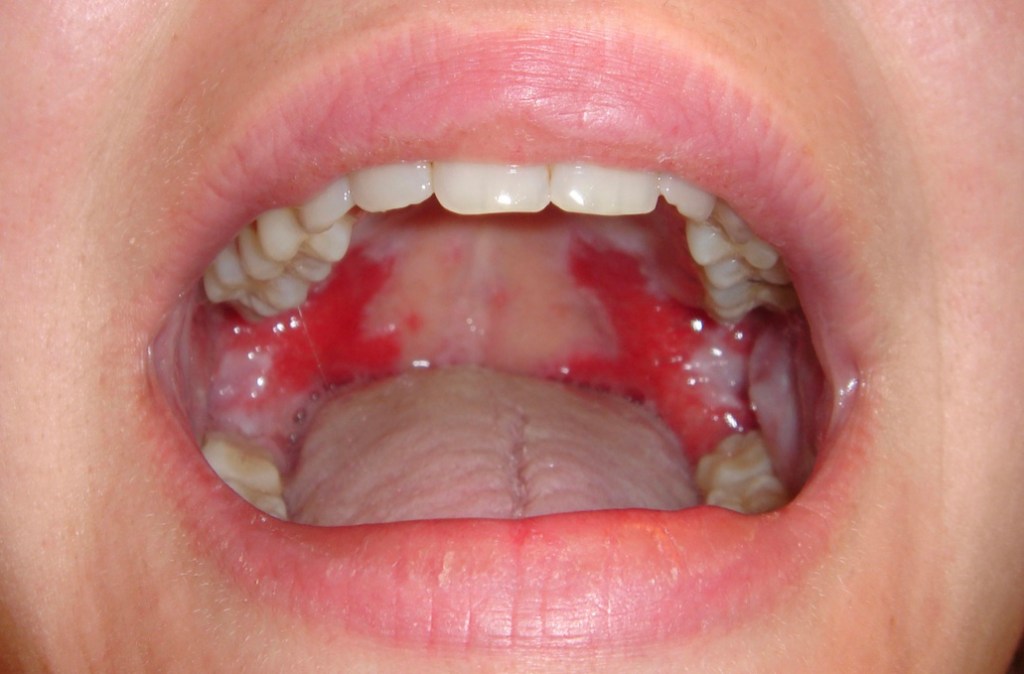
2. Oral aphthous ulcers, Lichen planus, pemphigus and pemphigoid, Behcets syndrome and drug reactions can also give severe sore throat. Rarely cancer can be a cause for a sore throat. The photo below shows large ulcers of pemphgus.
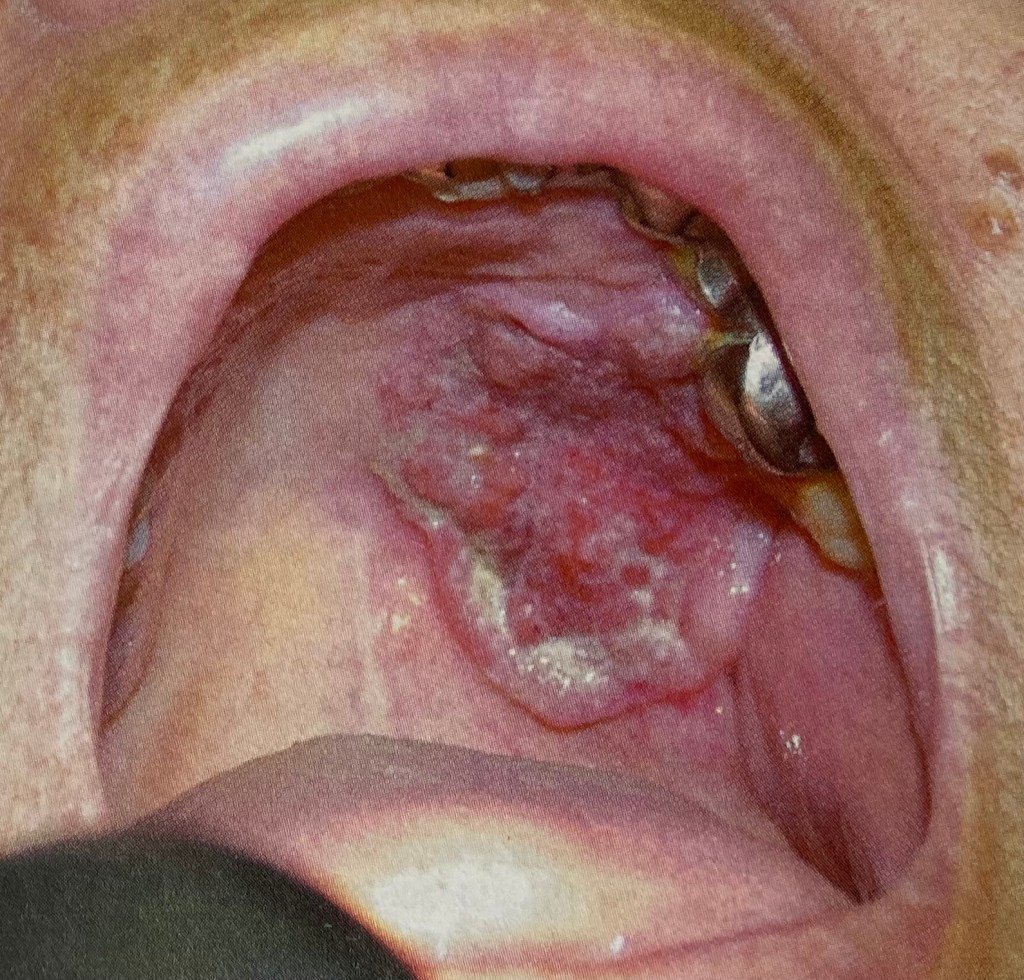
The photo below shows a larger ulcer from cancer of the mouth.

So if your throat is sore and you have difficulty swallowing food, please consult your doctor for advice. Once the cause for the sore throat is identified, specific treatments are given to hasten recovery. Most infective sore throats respond well to antiinflammatory medicines such as Brufen. Antibiotics will be given by your doctor as necessary. Specialist consultation may also be needed.

Should I get myself checked for Cancer?

A few years ago, a dear friend of mine succumbed to advanced Stomach cancer. It had spread quite far at the time of diagnosis although he had been symptomatic with stomach pain for just a week prior to that. After his death, a classmate who is a senior gynaecologist “ordered” her husband (another classmate) to undergo a Gastroscopy and Colonoscopy just to see if everything was OK, which he rightly refused to do! A diagnosis of Cancer or a death of a close relative from Cancer fills us with so much dread and we approach the topic (and even just the word) with so much anxiety and trepidation. Cancer screening (checking for cancer) must be done with a rational mind not swayed by emotion, denial or defiance!

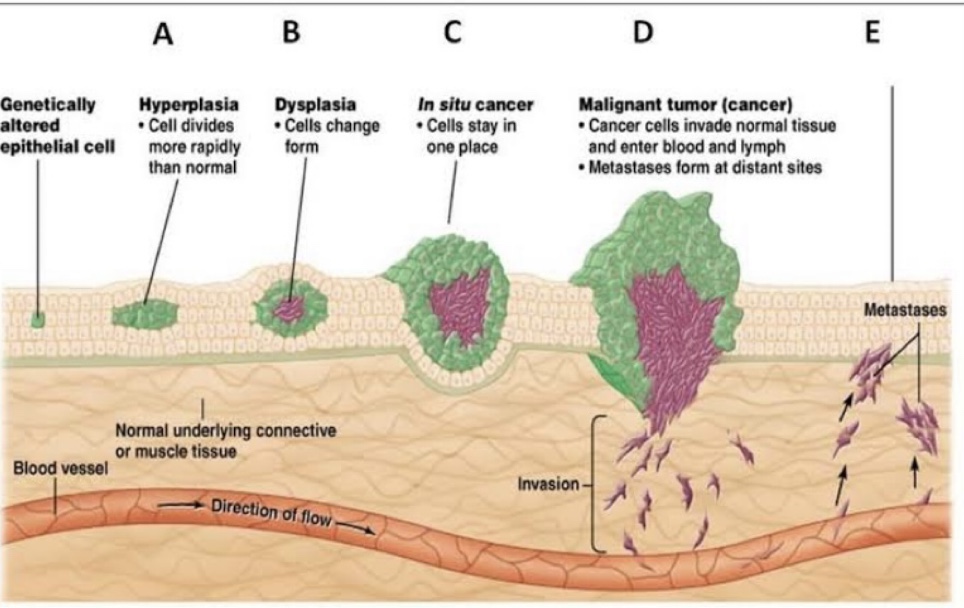
Cancer is usually slow growing until or reached a certain size when they start to spread through the blood vessels and lymph vessels.

The diagram above gives a good depiction of how Cancer starts off. Mutations are changes in the DNA that happen frequently in dividing cells. Greater the cell growth, greater is the chance of more mutations. If the mutations code for faster cell growth, the mutated cell will start outgrowing the adjoining normal cells forming a “Lump”, initially a microscopic focus and then a visible lump. All cells have surface proteins that tell the immune system that they belong to the person himself. Mutated cells display different surface proteins which may help them escape detection by the immune cells thereby allowing them to continue growing.Once the basement membrane is invaded, the tumour starts spreading faster. Tumour cells invade the lymph vessels and the blood vessels and are distributed far away from their site of origin (Metastases). In each of these sites they grow uncontrollable until they steal all the energy from the normal cells and lead to weakening of the host body.

Chronic irritation of the body by alcohol and cigarette use, chronic infections such as Hepatitis B and C and HIV will increase the number of mutations. Malnourishment, old age, immunosuppressive infections, medications can impair the functioning of immune system and encourage the new growth. Genes may play a part by increasing cell turnover or impair immune function including those specific cells that kill cancerous cells.

The entire process may take upto 10 yrs or longer. It is therefore important to screen people to detect early stages of cancer i.e., premalignant conditions in order to implement early treatments to reduce cancer deaths. Therefore Cancer detection should be started earlier, continued at regular intervals until your doctor determines that your risk for whatever reason is now reduced and that you wouldn’t need further close screening. This would only be possible if you understand the need for and comply with periodic body check ups!

Who should be screened for cancer?

1. People who are older especially about the age of 60 are at a higher risk of cancer.

2. People with a strong family history of cancer in a first degree relative. Lets us look at my maternal grandmothers family history. She was from a big family with 7 siblings. The eldest sister had an Ovarian cancer, the next was her brother who had Diverticulosis with Cancer of the colon, the 3rd and the 4th brothers had prostatic cancer, the fifth had blood cancer, the 6th had uterine cancer and my grandmother had a Lymphoma twice and a breast cancer and her youngest (touch wood) is doing well. Cancer genes have varying penetrance i.e., their ability to go down the generations vary. Also the gene may get diluted with the inheritance from the other parent. Certain cancers like those of the Breast and Uterus can run in families.

3. People with bad Lifestyle – Smoking and tobacco in all its forms cause 14 different cancers from the mouth to the anus. Alcohol consumption, chronic chemical exposure and non vegetarian food intake can cause cancers. Others would include obesity, lack of physical exercise, inadequate fruits and vegetable intake and excessive saturated and trans fat intake.

4. People on immunosuppressive medication may be prone to some skin cancers.People who have received chemotherapy have a higher incidence of haematological cancers. Radiation therapy increases the chances of developing thyroid, breast, brain, skin and secondary sarcomas.

5. People who already have premalignant conditions that would require close monitoring or even treatment.

1. Leukoplakia

2. Oral submucosal fibrosis

3. Ductal or lobular carcinoma in situ breast

4. Lichen planus

5. Barrett’s oesophagus

6. Atrophic gastritis.

7. Ulcerative colitis and Crohn’s disease

8. Cervical intraepithelial neoplasia

9. Bladder carcinoma in situ

10. MGUS

When should you start screening for cancer? It would be sensible to start screening for cancer between the ages of 40-50 or as advised by your doctor.

How should you go about screening yourself for Cancer?

Find yourself a good doctor who will make the time to talk to you patiently and answer all your questions. Not every lump or bump is a cancer. There are many lumps that are benign and will never turn cancerous like Lipomas. A good doctor will know when to reassure you , when to investigate and when to refer you on to the appropriate specialist.

An annual or biannual master health check up above the age of 40-50 yrs will be good to screen you and identify early lesions when you have no physical complaints with your body. For example thyroid lumps, breast lumps, lymph nodes, anaemia from intestinal blood loss may alert you to the possibility of a cancer.

Real life story:My friend’s 38 year old wife was given Iron supplements for anaemia by her gynaecologist. She came to me a month later with severe abdominal pain and fecal blood positive report. A colonoscopy was attempted but what they found was a tumour nearly fully occluding the rectum. She underwent a major surgery where they found that the tumour had spread all over the abdomen. She lived for just 6 months after that. It made me wonder if we could have changed the outcomes if we had tested her appropriately one month earlier.

Regular health check ups can pick up these issues earlier.

Know the worrying symptoms of cancer:

1. Unexplained weight loss >10% of body weight

2. Anorexia- absolute loss of appetite

3. Unexplained persistent fatigue.

4. High grade fever not due to any infection.

5. Altered bowel habits – alternating constipation and diarrhoea.

6. Blood in sputum, vomitus, stools and urine

7. Discovery of new lumps and bumps in the body especially those that are growing quickly.

8. Unexplained anaemia or low blood counts

9. Unexplained fracture of bone even without trauma.

Take home points:

1. Talk to your doctor and take his guidance. It is recommended that a PAP smear test is done every 3 yrs after the age of 20 and a mammogram every 2 yrs above the age of 50. For a man a sigmoidoscopy can be done every 5 yrs and a colonoscopy every 10 yrs.

2. Know what the worrying symptoms are and approach your doctor for advice.

3. Observe healthy lifestyles and avoid habits that put you at risk for cancer.

Anger and why you must control it!

Anger is a sudden maladaptive response to a variety of stimuli characterised by an aggression which could be verbal, physical or both. It is provoked more often in people with a certain personality types especially when subjected to stressful triggers or situations in specific contexts. It may even be provoked by minor stimuli in anyone depending on the circumstance. While it has been essential for the survival of our species, modern life (in overcrowded urban jungles) provides too many stressors that provoke unnecessary anger which then has long term health implications. This article attempts to throw some light as to the causes, effects and changes during and after an episode of Anger.

Civilisation and urbanisation forces people of all different personality types, of different interests and priorities to live together. In the hustle and bustle of daily living we are forced to deal with different situations and people who could make our lives difficult, with intention or otherwise. We are provoked into losing our tempers, get angry, explode (or implode) and suffer the consequences. Our personality type, our current mental state, our previous experiences, the people we have to deal with, all have a role in determining how we respond to a situation and how angry we get. Often we get irritated with what is happening and if this isn’t resolved, results in anger. I call Anger a maladaptive response because we get angry only with people we can get away with showing it and it rarely solves the issue that provoked it.

The Anger reaction begins in the Amygdala in the brain, it spread to the Hypothalamus and the Pituitary which releases ACTH hormone that stimulates Cortisol secretion from the Adrenal glands. Cortisol suppresses the immune system, increase sugar production and the conversion of Fatty acids to energy. The adrenals also produce Adrenaline which increase the Heart rate BP and the Cardiac output. Adrenaline also increases the release fo glucose from the Liver and increases the tension in the skeletal muscle and also increasing the rate and force of contraction of the skeletal muscles. The respiratory rate increases and visual fields constrict and pupils dilate allowing the angry person to focus on the person triggering the reaction. In short the body prepares for “fight or flight” when angry.

All these hormones increase the blood pressure, Heart rate and respiratory rates. Blood is shunted away from “nonessential” organs such as the intestine and kidneys in favour of the heart lung brain and skeletal muscles. It is quite common to feel like you want to empty your bladder or even vomit when very stressed.

Chronic and recurrent Anger depletes the body’s ability to fight inflammation that is triggered by the free radicals. This eventually causes disease.

Anger is known to cause frequent headaches, digestive problems and abdominal pain/gastritis, Insomnia, increased anxiety and depression, skin problems and eczema and even Heart attacks and Strokes.

Your Anger has not only implications for you, your mental and physical well being and productivity but also for that of your family, friends, work colleagues and everyone in your immediate surroundings. Your anger will have a domino effect on others. It is therefore very important to control or release your anger, not just for your own selfish reasons but also for the greater good of society.

The first step in Anger management would be to realise that Anger is harmful to you more than to anyone else. While there may be many ways to keep your anger in control, I personally believe that if you have an understanding nature, have empathy for others and make excuses (to yourself) for their inability to see or do things your way – you could control your anger. Being placid or timid or avoiding people or situations may not necessarily be the right way to deal with anger or a situation that could make you angry. Learning to meditate, attempting to resolve conflict by understanding the other person and seeking counselling (professional) could help you deal with your anger. Yoga, exercise, regular breaks from your work, having a supportive network of friends and family could also help you release your anger. Keeping a diary could help you understand your anger and could help you device strategies to cope with stressful situations when they happen the next time.

My very best wishes to you for staying cool always.