Excerpts from the BBC – I hope that the BEEB wont mind too much that I have lifted a lot out of their articles. My apologies, but this article and blog is for limited circulation only. I read the BBC news to get an international opinion on world matters. Their non-newsy article are very informative and I would recommend them as a must read for most of you.
THE LINK BETWEEN WHAT YOU EAT AND HOW YOU SLEEP
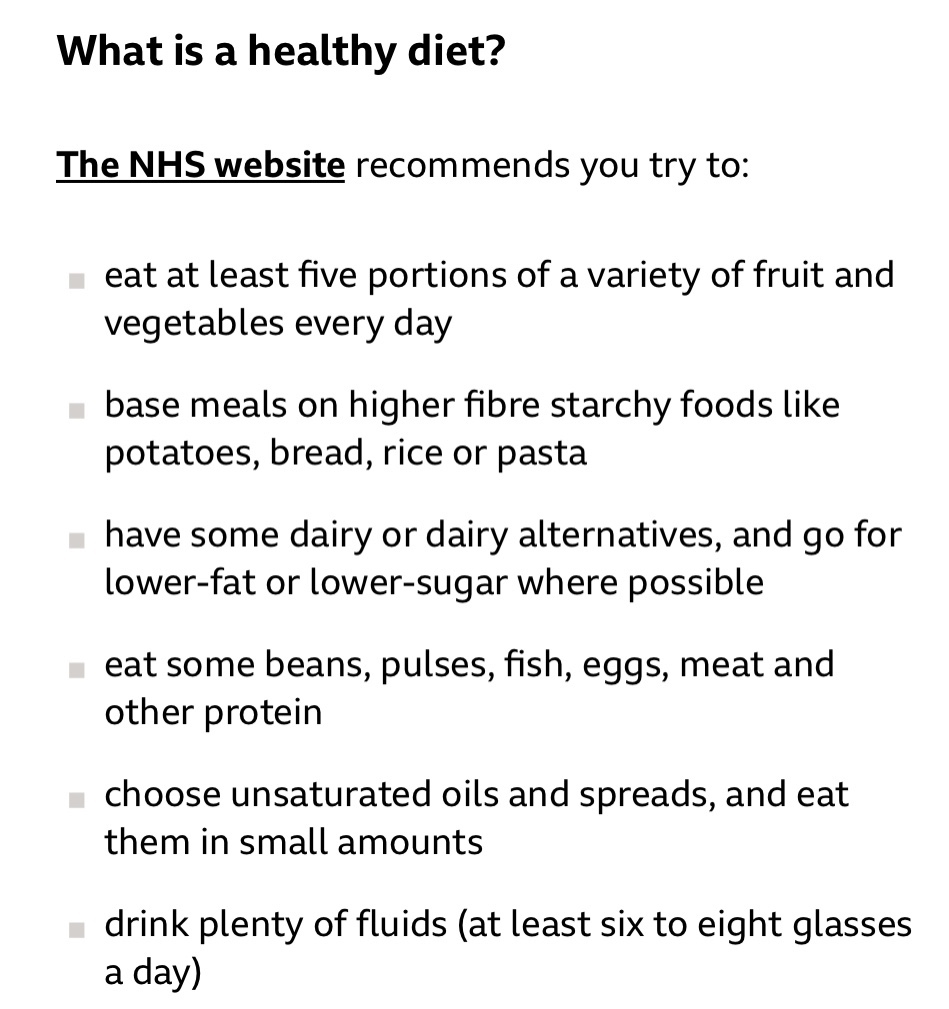
Not sleeping enough can lead to a cycle of overeating and and can cause further sleep deprivation. There are some changes that happen in the brain when you get less sleep that put you on the path of overeating and weight gain. Although it may be reasonable to think that you would need more food and calories when you’re awake, sleeping is quite an active process which requires quite a bit of calories. When deprived of sleep, there is a tendency to eat 2 to 3 times more, the amount of calories that is required. Sleeping late affects appetite by controlling the hormones Leptin and Ghrelin. Leptin suppresses appetite and Ghrelin increases appetite. When you are deprived of sleep, leptin levels drop and ghrelin levels increase leading to an increase in the appetite, increased food consumption and weight gain. In a small study, they found that participants were more likely to crave sugary and salty foods and high carbohydrate foods when they were sleep deprived. Working in shifts therefore can disrupt this cycle and make you put on weight. Further eating at night can raise blood glucose levels and increase intake of unhealthy fatty, fried foods. So the wrong kind of food eaten in large quantities can put you at risk of developing diabetes.
Melatonin is a hormone that is produced during sleep and its levels rise in the evening. Melatonin is produced from an amino acid called tryptophan which comes from protein containing foods. So it would make sense that sleep can be affected by the kind of food that you eat at night or in the evening. Diet rich in fish, nuts, seeds contain tryptophan and certain specific vegetarian food such as tomatoes, tart cherries and Kiwi fruit which contain melatonin may help people sleep better. Foods that must be avoided before sleep are caffeine which is a stimulant and salty foods are can make you thirsty and disturb your sleep. There are also some who believe that sugary foods may disturb sleep more. The reasons for this still remain unclear.
WHY YOU SHOULD GO TO SLEEP AT THE SAME TIME ALL WEEK
Changes in sleep patterns, habits could lead to unhealthy changes in gut bacteria which may lead to disease. In one study done of thousand adults in London, they found that a 90 minute difference in the midpoint of your night sleep over the course of a normal week could influence the type of bacteria (increase the “bad” bacterial load) found in your gut. Your gut has both good and bad bacteria and if you had a large number of the bad bacteria that could lead to certain diseases. Further, those who slept later tended to have the wrong kind of foods, those that were rich in carbohydrates (and fried in oil) such as French fries, chips and sugary drinks, further increasing the content of the bad bacteria in the gut. They also tended to consume a lot less of the good foods such as fruits and nuts and tended to eat less fibre, all of which can be linked to weight gain, poor sleep, fatigue and illnesses. While the relationship between sleep, diet and gut bacteria is complicated and not fully clear, it is advised that you keep your sleep timings consistent and it is believed that this could improve your health and prevent disease.
HOW BACTERIA CAN CHANGE YOUR MOOD
Microbiome refers to the trillions of bacteria that live on and inside our bodies. Science is only now trying to put together how these trillions of microbes affect our physical health. All of us have experienced butterflies in our tummies before exams and job interviews. Groups of scientists now believe in the existence of “mood microbes or psychobiotics“ which can improve mental health. Scientists in Japan showed the “germ-free” mice – those that never came into contact with microbes put out twice the amount of stress hormones ( adrenaline, cortisol etc) when distressed than normal mice.
So how might the brain be affected by the bacteria in the gut?
1. The Vagus nerve extending throughout the length of the gastrointestinal tract conveys all messages to the brain from the gut.
2. The bacteria break down dietary fibre to produce short chain fatty acids (SAFA) which can affect the brain and the rest of the body.
3. The microbiome influences the immune system and this can also affect brain function. The gut bacteria are constantly entering the circulation via the portal vein which carries all absorbed nutrition from the intestines to the liver and then onwards to the rest of the body. The liver is an important immune organ filtering the blood entering from the intestines and clearing it of all the bacteria.
4. There is also some evidence that bacteria could produce tiny strips of genetic code called micro RNA that can alter the way the DNA works in the nerve fibres.
We live in a world where our bodies are constantly coming into contact with germs from the environment and which are constantly trying to enter our bodies. A healthy well balanced, microbiome (a diverse gut bacterial population) is a essential for good health. Studies done have shown that clinically depressed individuals have a narrow(er) spectrum of gut bacterial diversity. While this may not be the only cause for depression, this reduced diversity of gut bacteria may have a role in the development of depression. Certain lifestyle changes such as diets which are poor in fibre are known to weaken our gut bacterial population and diversity and could make us more vulnerable to depression.
There have been studies where “poo” from a depressed person, when transferred to a lab rat produced changes similar to depression in the lab rat. Similar changes have been noticed when poo from patients with Parkinson‘s disease was transferred to the lab rats which then demonstratted the worst symptoms compared to other lab rats which received faeces from healthy human beings. From this, it might appear that changes in the microbiome could also have an association with Parkinson’s disease. It may be safe to conclude that the gut microbiota affects the brain significantly and should highlight to us that we should ensure that we have a well-balanced diverse gut microbiota by eating healthy foods that are rich in fibre such as fruits, vegetables and nuts and reduce our intake of over-cooked processed foods such as fries, chips, cakes etc which have zero microbial benefits!
MORE THAN HALF YOUR BODY IS NOT HUMAN
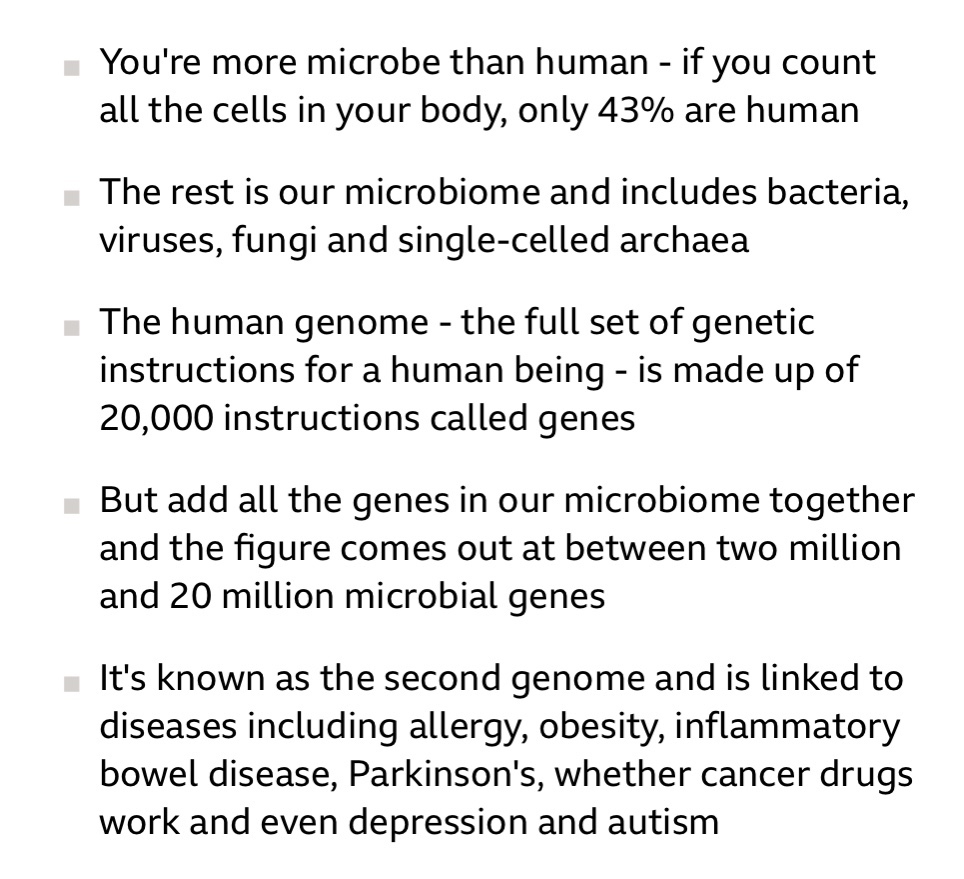
Human cells only make a 43% of all cells in an adult body. The remaining 57% is called the microbiome i.e., the organisms that live on and inside the human body. The microbiome is essential for health. No matter how well you wash your body you can never remove all the bacteria that’s on the surface. The microbiome includes bacteria, viruses, fungi, and archaea (those previously misclassified as bacteria). The majority of the bacteria that make up the microbiome exist in the oxygen deprived corners of the human bowel. Surprisingly what makes us human, according to an experts is a combination of our own DNA plus the DNA of the gut microbes. It would’nt be wise to assume that we could carry so much of microbial load without our human cells interacting (talking) with them all the time. The human microbiome not only helps in digestion but also in the immunoregulation, generation of vitamins and micro nutrients and protecting against disease. As good and effective as Antibiotics are against a variety of bacteria, they can cause havoc amongst gut microbes by killing even those bacteria that are good for us. The imbalance thus caused may lead to issues such “antibiotic associated diarrrhoeas” and may also encourage the development of antibiotic resistance. It is for this reason that doctors are encouraged to use antibiotics sparingly and that too for the shortest duration. A diet of burgers and chocolate will not only affect your gut microbiota but affect the way food is metabolised (handled) and can increase your risk of obesity and other diseases of the digestive tract.
While we have already spoken about how fecal transplantation can affect lab mice there is also growing evidence that repairing someone’s microbiome can actually lead to remission of a variety of diseases including ulcerative colitis, a type of inflammatory bowel disease. Microbial medicine is still in its infancy, but our increasing knowledge of the gut microbiota could play a important part in the future in maintaining health, preventing disease or even treating disease.
FIVE HOURS OF SLEEP IS THE TIPPING POINT FOR BAD HEALTH
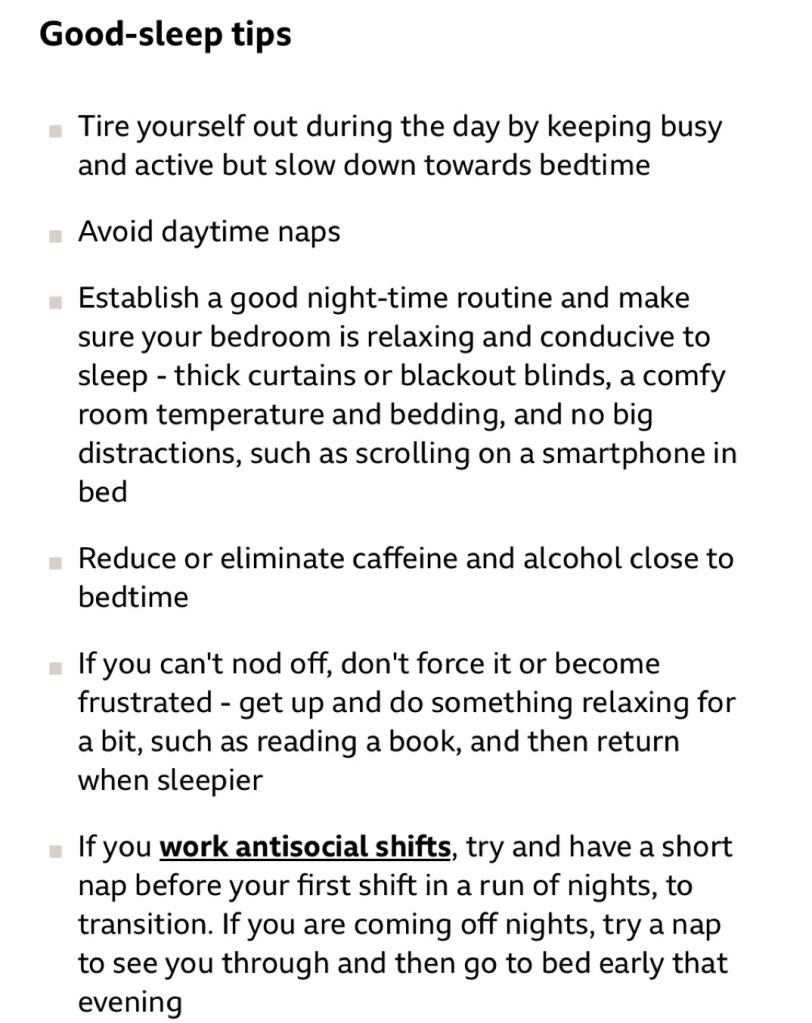
I usually tell my patients that they should get 7 to 9 hours sleep every night. There have been some studies to show that sleeping beyond nine hours a night can lead to disease too. In this article from the BBC, they talk about how, for those about age of 50 years, sleeping for less than five hours could increase the chances of multiple chronic health problems. In a study of about 8000 participants who were given a questionnaire and were asked about having chronic conditions such as diabetes, cancer, heart disease and were followed up for over 20 years– they found that in those who slept for five hours or less, the risk of multiple chronic ailmenents was 30% more compared to those who slept for seven hours. In the same group for people they found a higher risk of death mainly due to these chronic diseases. Sleeping poorly on a daily basis can affect your health. Causes need to be ascertained and treatments need to be given. Sleep disorder is a new speciality in medicine drawing doctors from varied specialties such as ENT surgery, Pulmonology and even Neurology! Disorders of sleep must be identified and cured.



 Dr Subash Rau - General Physician’s blog
You must be logged in to post a comment.