How do you fix your diet to take adequate fibre?

Fibre or roughage refers to anything that that can be taken by mouth and is not digested, bulks up the contents of the intestine and helps smooth evacuation of stools.

Having a diet that has plenty of fibre is good for health. Apart from preventing constipation, dietary fibre has a beneficial effect in lowering the risk for heart attacks and strokes, reducing the risk of diabetes, improving diabetic control in those already with diabetes and in preventing obesity. Modern dietary habits, based on the consumption of large amounts of refined cereals (grains) has very little fibre and therefore increases the risk of developing common lifestyle diseases such as obesity, dyslipidaemia, hypertension, diabetes and their complications.

What are the types of dietary fibre?

Dietary fibre comes predominantly in three forms namely, soluble fibre, insoluble, fibre and fermentable fibre.

Soluble fibre, dissolves in in water and puffs up, fills the tummy, promotes satiety (a feeling of being full, and therefore reduces hunger). It therefore helpful in those with diabetes and dyslipidaemia.

Insoluble fibre doesn’t swell up in water but tends to bulk up the intestinal contents, reduce intestinal transit times and helps quicker elimination from the body. Insoluble fibre is very important in maintaining intestinal health and preventing constipation.

Fermentable fibre can come from both the above groups and maintain a population of good bacteria in the gut. These are often referred to as pre-biotics (food for the good bacteria). Their digestion by intestinal bacteria (flora) results in short chain fatty acids (which can be used by the human host as an energy source) and is also converted to gas (methane, ammonia, hydrogen and carbondioxide.

So how much fibre do we need in our diets daily?

Most dietary institutes recommend 30 g of fibre for adults and reduced amount of fibre in children based on their ages.

While there is no upper limit to the amount of Phiber that can be consumed every day, it is recommended that any increase in dietary fibre is done gradually in order to prevent gas, bloating, constipation, diarrhoea and abdominal pain.

How do you fix your meals in order to have enough fibre daily?

This can be simply done by incorporating more green vegetables, taking more of whole fruit with skin, whole grains (instead of polished grains), plenty of lentils, and legumes(beans), a generous helping of nuts and also drinking plenty of water (upto 3 to 4 L per day).

By knowing how much fibre different foods and vegetables have, you can design your healthy meals with adequate fibre. Make sure that every meal has a fibre containing food in it just as you have proteins in every meal.

So what then is constipation?

Constipation refers to defecation that is unsatisfactory because of passing stools infrequently, needing to strain stools or with a feeling of incomplete bowel evacuation. Constipation could refer to for example, passing motions to 3 times a week only (not daily) or passing hard stools that are difficult to expel.

Why are people constipated?

People may be constipated because their diet does not contain adequate fibre or because of not taking enough fluids by mouth or because they dont exercise daily (and more so if they are elderly, bedridden or sick). Constipation can also occur due to the presence of medical conditions such as diabetes, hypothyroidism, kidney failure, high calcium levels, intestinal tumours especially cancers of the large bowel (causing partial or total obstruction), diverticular disease, neurological conditions such as Parkinson’s disease/Multiple Sclerosis etc. A variety of medications such as painkillers, antidepressants, iron tablets, antihistamines, certain antihypertensives, psychiatric medications and anti-seizure medications commonly cause constipation.

So how is constipation treated?

Before medication is tried, it is important to correct dietary deficiencies of fibre, inadequate water intake and being physically inactive. Medical conditions often stop patients from being able to do the above (patients with heart or kidney failure who can’t drink much water, patients with intestinal obstruction or inflammatory bowel diseases who cannot take fibre or those who can’t walk or exercise) may need laxatives to help them pass motions every day. Laxatives work by loosening the stools or relaxing the intestines thereby helping defecation.

So the most important thing to do would be to prevent constipation by fixing your diet by taking adequate fibre.


Do you need the help of medicines to help you win the battle of the bulge!?

Every family has someone who is overweight and all of us know someone who is obese. So in this article I am going to briefly touch upon what is overweight, what is obesity and what can be done to reduce weight. The BMI is a frequently used value to quantify obsity. The BMI is calculated by dividing the weight in kilograms by the height in metres, squared. Although not the most accurate or the best way, it has been used for many decades as measuring tool to determine ideal body weight and its relatrion to their height and build. So for a person who is 6 feet in height and and 85 kg in weight, the BMI would be calculated as follows:

BMI= Weight in Kg/(Height in Meters)2

= 85/ (1.85 X 1.85) = 24.8 kg/m2

Below is the BMI range for classifying people as normal, overweight and obese.

Normal – 20-25

Overweight – 25-30

Medical Obesity – 30-40

Surgical Obesity – >40

The above values that are mentioned are a little different for females and for people of Southeast Asian ancestry viz people from India, Sri Lanka, Pakistan and Bangladesh.

Before we go into talking about medications to help you lose weight, let’s talk about what I think is primary and mandatory for significant and consistent weight loss. Weight loss requires predominantly three things.

1. a diet of reduced calories

2. Regular daily “large volume” exercise. (1-3 hrs a day)

3. Regular daily measurements of body in the mornings after evacuating your bladder.

4. To document everything – daily weight, all foods eaten and duration and type of exercise done through the day because whatever is measured, improves!

The primary goal in any weight loss program is to develop a daily calorie deficit i.e. to consume fewer calories and to spend more calories by exercise. Put simply, if you can eat 300Kcal of less food every day and ensure a 400Kcal burn by exercising, you ensure a daily calorie deficit of 700Kcals/day = 3500Kcals a week (in the very least, over 5 days) and this will ensure a half Kg weight loss week and therefore a 2 Kg weight loss every month. In 10 months it should be possible to lose 20 Kg of weight.

Dietary interventions that I have seen work with people are:

1. Daily calorie, restricted diet – a low or ultra low calorie diet.

2. Meal replacement with low calorie, prepared meals. Avoidance of high calorie and calorie dense foods (fast foods, bakery foods, fried foods etc)

3. To replace Carbohydrates with proteins.

4. To take a completely different diet from what you have taken before such as a Paleo diet or Atkins diet.

5. Time restricted feeding and Intermittent fasting.

Do you have a daily exercise program for seven days a week!

To develop a daily habit of exercising, irrespective of the amount of time that you have free to do the exercise. And the person who wishes to lose weight must realise that every minute counts and that it is impossible to be unable to do atleast some exercise every single day e.g., if you cant do an entire session of exercise during your usual time, decide to do atleast some exercise, even if it is only for 5 min so as to build a definite routine and habit that will help your cause. These little habits of daily exercise can eventually be built upon to help you do more and more exercise over time.

Measurements measurements measurements! Why do you need to test yourself?

It is important to maintain a separate logbook where you can enter every thing that you have eaten in the day and also the exercise that you have done even if it’s only for five minutes, and at whatever time you done it , if you keep track of this every day every week, it will give you a clear picture of how well you doing and and will help you find ways of improving whatever you do.

Many doctors would prescribe weight loss medication only after the patient has been established on a reasonable low calorie diet and on a program of regular exercise. Without these two very important habits, the best of the medicines are doomed to fail.

So who should take weight loss drugs?

Generally people with a BMI of more than 30 or have a BMI greater than 27 AND a serious medical problem like diabetes or high blood pressure will be offered medication to help them lose weight. The target for treatment would be 12 to 15% weight reduction. Even 5 to 10% of body weight loss would make a tremendous difference and help improve the blood pressure or sugar control.

Six medicines are currently FDA approved for long-term use and weight loss.

1. Orlistat

2. Liraglutide

3. Semaglutide

4. Bupropion-Naltrexone

5. Setmelanotide

6. Phentermine-topiramate

These medicines are not for everyone as they do have some side-effects. The doctor should be able to take you through the pros, cons and cautions of the medicines and recommend the best medicine for you. Some of these medicines are only for adults, while some others can be used for children six years,12 years and older. Long-term treatment refers to treatment for more than three months and these medicines are usually given till at least 5% of your weight loss is noted over 3 to 6 months and if there is no weight loss, these medicines could be changed or even stopped. Surgery might also be an option and could be recommeded.

My advice for those wanting to go on a weight loss programme

1. Get a weight loss coach/mentor and do everything he/she tells you.

2. Dont ever negotiate the price that you will have to pay to reduce weight.

3. Be 100% honest. Say what you have done and do what you have said (that you would do)

4. Document what you have eaten and the exercise that you have done every day.

5. Show where and how you will fit in your new activities (diet/exercise etc) into your day. How will you reprioritize your daily schedule to accomodate the new activities?

Intermittent Fasting

Intermittent Fasting is a method of voluntary fasting, usually for a certain number of hours a day with a specific goal to reduce body weight and change body shape or to achieve certain metabolic endpoints. Although it is quite a new fad the reason why it is gaining popularity is the thinking that for primitive man, food would have been scarce and that he would have had to go without food for prolonged periods of time. So Intermittent Fasting as apposed to frequent feasting (as we do in the 21st century) may actually have been the way we humans were biologically designed to eat. And that the habit of having three square meals and innumerable snacks in between is a modern one and probably the one that is causing an explosion of lifestyle diseases starting with the obesity and then progressing onto dyslipidaemia, hypertension, diabetes, cardiovascular disease and finally cancer. Further everything we do culturally and socially involves food and this therefore makes it very difficult for most of us to even consider Intermittent Fasting as a choice for better health (would you call it a party if food wasnt supplied by the host??). For a long time, I was a sceptic of intermittent fasting methods but the more I read and saw, the more I tended to believe in its benefits. Recently an uncle who at 85 yrs is a retired doctor and a national level athlete spoke about following a 18:6 IF regimen and triggered my interest in researching the medical evidence for IF. So here are some extracts and excerpts from what I have read.

What are the popular I.F regimens?

Daily time restricted feeding i.e., fasting for >12 hrs a day, alternate day fasting and 5:2 intermittent fasting (starving 2 days each week and eating normally on other days) are the. 3 most popular methods of IF.

So what happens in the body when you start Intermittent Fasting?

During I.F the energy producing mechanisms essentially change from being glucose based to one dependant on ketone bodies. All food that is digested is stored in the the liver as glycogen. Glycogen is essentially a long string of glucose molecules bound togetherin chains. In times of need, individual molecules of glucose are released for the use of the body. When one does intermitted fasting, the glycogen stores are already depleted and so the body starts to dissolve the fat stores by releasing triglycerides which are converted to Ketone bodies in the liver. Ketone bodies are a denser source of energy for a variety of cells especially for the brain. Ketone body production starts to rise only after 8-10 hours of fasting suggesting a minimum of 12 hrs of fasting for any real benefit from I.F. Switching to Ketone bodies to provide energy results in reduced respiratory exchange ratio i.e., reduce usage of O2 and therefore reduced production of Carbondioxide, representing a more efficient process for production and usage of energy.

While it is not clear if the benefits of IF are due to simply weight loss alone or because of metabolic switching, the many benefits of IF include improved glucose regulation, improved blood pressure and heart rate control, improved endurance training and loss of abdominal fat and body weight. Other benefits include increased life span, improved memory, balance and coordination (in Alzheimers and Parkinson syndrome), reduced blood pressure, lipids and reduced occurence of spontaneous cancers and slowed growth of certain other cancers.

So what are the cellular changes brought about by I.F?

Reduced Oxygen usage in ketone body metabolism results in reduced production of corrosive free radicals and therefore reduced oxident mediated cellular damage. Ketone bodies have an effect in suppressing inflammation and reducing cellular stress and improving specific tissue growth and plasticity. Ketone bodies are potent signaling molecules and regulate the expression of various proteins and molecules that are known to influence health and aging. (PGC-1gamma, Fibroblast factor 21, NAD, sirtuins, PARP1 and ADP ribosyl cyclase).

IF and Obesity and Diabetes:

Compared to women who only reduced their food intake by 25%,women who followed a 5:2 IF program had a greater increase in insulin sensitivity and reduction in waist circumference although both groups showed equal overall weight loss. In young men who fast fo 16hrs a day and hit the gym for weight training have fat loss along with preserved muscle mass. IF is as effective as standard diets for weight loss. In rat models, IF is associated with greater muscular endurance.

Weight loss with IF is associated with improved insulin sensitivity and improved diabetic retinopathy. Markers of inflammation have also been noted to reduce especially in patients with Rheumatoid arthritis.

IF and Cardiovascular disease:

IF brings about reductions in Blood pressure, reduces heart rate and increases heart rate variability. Lipid profile also improves with reductions in the levels of LDL, Triglyceride and increase in HDL values. Improved indicators of cardiac health were noted as early as 2-4 weeks of starting IF.

IF and neurological disease:

In experimental animal models of IF hadve shown delayed onset of Alzheimer’s disease and Parkinson’s disease. IF increased neuronal stress resistence by bolstering mitochondrial function and DNA repair. GABAminergic transmission is enhanced and this can prevent seizures activity. IF reduces autoimmune demyelination in mouse models of multiple sclerosis and after traumatic and ischaemic spinal cord injury and leads to improved functional outcomes. In humans, IF has shown to improve memory (verbal spatial and working memory).

IF and Cancer:

IF reduces the occurence of spontaneous cancers and also my other types of induced cancers in mouse models. Calorie restriction with IF impairs energy metabolism of cancer cells, reducing their growth and rendering them suseptible to chemotherapy. Several studies with Glioblastoma suggest that intermittent fasting can suppress tumour growth and extent survival.

Suggested regimens for daily time restricted feeding

Month 1 10 hr feeding period 5 days a week

Month 2 8 hr feeding period 5 days a week

Month 3 6 hr feedine period 5 days a week

Month 4 6 hr feeding peiiod 7 days a week

Suggested regimen for 5:2 Intermittent Fasting

Month 1 1000Kcal 1 day a week

Month 2 1000 Kcal 2 days a week

Month 3 750 Kcals 2 days a week

Month 4 500 Kcals 2 days a week

Celebrities who have used Intermittent fasting to reduce their weight.

HOW TO LOSE WEIGHT

As a doctor I see many people who want to reduce their body weight for a variety of reasons including to improve their health, body image or personality. Unfortunately only a few actually achieve their weight goals and succeed in keeping their weight down for prolonged periods. Most have some early gains and then either stop losing weight further or put the lost weight back on despite everything that “they think” they may be doing. They then become frustrated or depressed and sometime totally give up the “battle of the bulge”! Many take solace in food and put on more weight on the rebound. I will put down in this article what I have seen successful weight losers do to achieve their target.

The first part includes some points for you to consider. The second part contains some strategies for weight loss.

Things to consider:

1. As someone said, “failing to plan is planning to fail”! You have got to have a written plan of action to achieve your body weight targets.

a. Set your body weight target (what do you want your body weight to be)- e.g., 10kg less-

   write it down!

b. When do you want to achieve this weight? E.g., in one year’s time 1st March 2021.

c. Put down interim goals – quarterly goals viz 2.5 kg weight loss every 3 months which would be 1 Kg weight loss every month.

Someone also said “the difference between working with a goal and without a goal is…………………….…result”. Consult your doctor and do the necessary tests to certify your cardiac fitness to begin your weight loss programme.

d. You have got to put up an exercise schedule and diet chart. You could consult a dietician to help you plan your meals and the low calorie in-between meal snacks too.

2. “Whatever gets measured, improves” {someone said 🙂 } . Buy a good digital weighing scale and check your weight every Sunday, early in the morning soon after waking, after evacuating your bladder and before you take anything by mouth. You want to definitely do this as half a litre of water taken, will definitely increase your weight by half a kilo! Record each measurement in a book against the date of measurement.

3. You have got to accept that what you have done in the past to reduce weight, just wasn’t enough. You have go to do something quite drastic and consistently to achieve your goals. You would need to cut the calories that you eat as well as increase the amount of exercise that you do (volume of exercise as well as Intensity). This also needs to be documented everyday. You can sum it all up at the end of the week to see how well you have stuck to your plan.

4. If you don’t achieve your weekly goal, be hard on yourself the following week and either go on a stricter/ lesser diet or exercise more or do more of both! Be brutally honest with yourself. Don’t accept excuses for your inability to reach your goal or to follow your own weight loss plan. Achieving these smaller weekly goals will ensure that the larger monthly goals, quarterly goals, half yearly goals and the final goal are all achieved (as planned).

5. Changing your thinking is a given. But you absolutely have to change your lifestyle and habits to achieve your weight loss goals.

a. Separate food from the good times. Don’t attend parties where food is the main draw.

Have a green tea party. Avoid junk food when having alcohol. Don’t sit in from of the TV with junk food to munch on.

b. Eat out less often and when you do, fill yourself up with low calorie salads before going onto the main course. Share your main course with someone else. Avoid eating deserts completely.

c. Don’t keep high calorie snacks at home and if you do take them, buy them one at a time (not an entire box full and a small portion too). A good example is chocolate.

d. Avoid all kinds of bakery foods (bagels/ white breads/ cakes/ pies etc)

e. Take twice as long to eat. Chew each mouthful 30 times before swallowing.

f. Have more of the food that you don’t like and completely avoid what you do! This way you would get all the nutrition without the craving to eat more!

6. Plan your snack and in-between meal foods. Salads, green tea, low calorie fizzy drinks and water will definitely reduce your hunger and help you get by till the next meal. A high protein shake is a good way to reduce your hunger without increasing the risk of weight gain. However you should make sure that you are using a pure protein powder drink rather than a balanced protein supplement drink (which would have less protein and is used as a post-exercise re-fueller).  

7. All habits take 3 weeks to form and 3 months to become permanent. Grit your teeth and stay strong for this period especially during the first 3 weeks. It should become easier after this.

8. Take an Antacid especially if you develop acidity when eating smaller quantities of food. Remember the food you enjoy is the one that is particularly harmful to your goals.

9. When all else fails, don’t hesitate too much to go under the knife. Bariatric surgery does wonders for many.

Strategies to lose weight

What is most important is to develop a daily calorie deficit. Food intake in terms of calories must be less than calories expended by exercise. If you can reduce your daily food intake by 300-400 KCals and increase the calories spent by another 300-400 KCals you could achieve a 700-800 Kcal deficit which over the week would amount to 3500-5000 Kcals and a weight loss of 1/2 a Kilo of weight per week and a 2 Kg weight loss per month! (if consistently done)

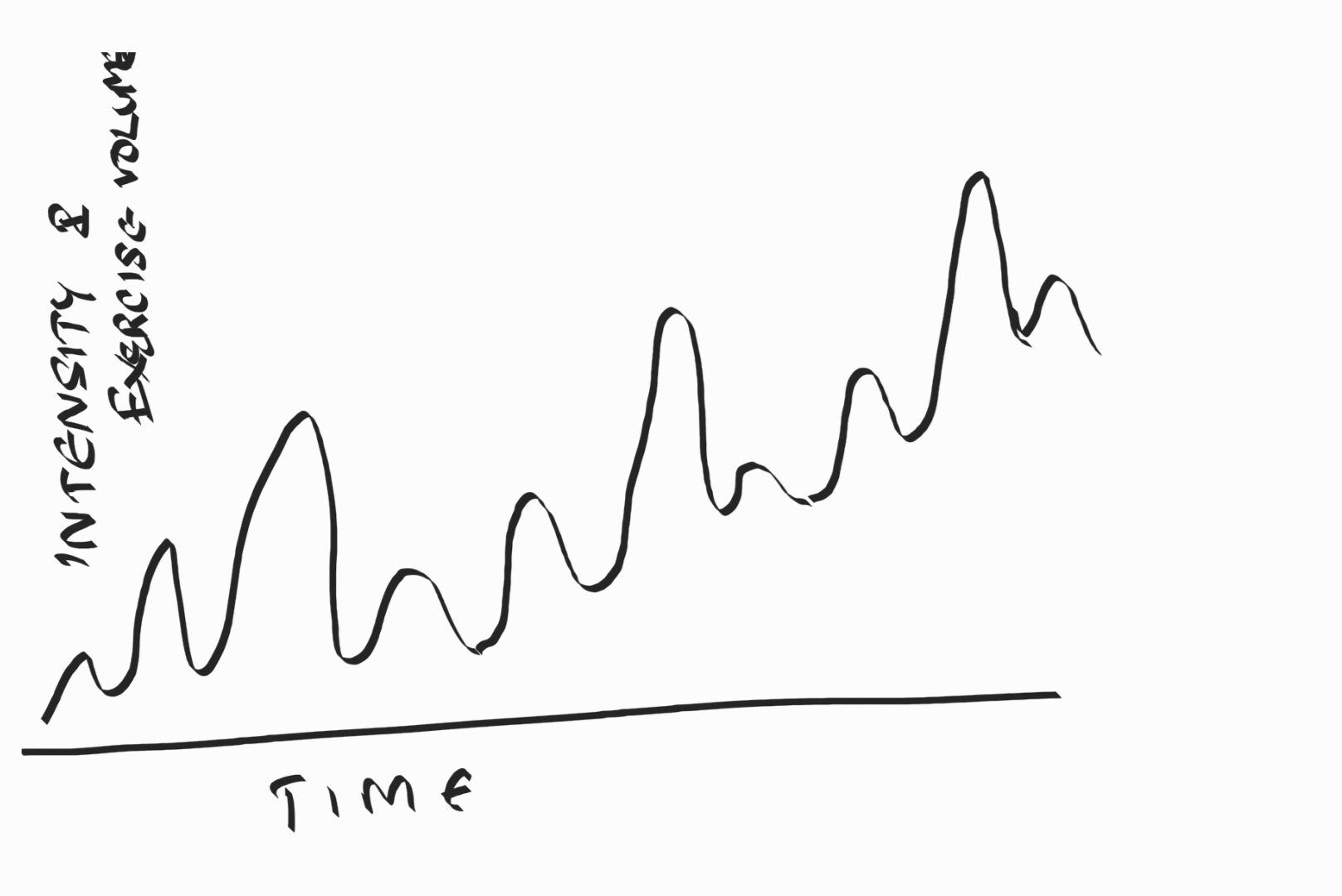
Exercise daily but vary the intensity and duration of exercise. Training is to be done in cycles of increasing volume and intensity of exercise. This not only keep the challenge up but makes exercising more interesting. Make exercise a part of your daily living – walk up the stairs, walk to the neighbourhood shop, take the train or the bus instead of using your car, cycle to work etc. Listen to your body and don’t push yourself when you are tired. Ensure that you get 7-9 hrs of sleep a night.

Eat everything but reduce the intake of carbohydrates (alone) by 25% at each meal. Compensate for the reduced volume of food by eating a lot more of salads and less calorie dense meals and snacks.

You could consult a professional dietician and take a very low calorie diet. (600-900 Kcal/day) Again taking plenty of salads would help a lot in reducing your hunger and keeping you sane.

Try a completely different diet – Keto/Paleo/Atkins etc

Try a 24 hr fast or fast for at least for 16 hrs a day for 2 days a week. There is some evidence that this is equally effective as eating less (dieting) every day. So you would get the pleasure of eating normally on most (except 2 days) of the week.

Reduce your meals to just 2 a day. Skipping dinner would probably be the best. The food that is taken at night gives calories that just stick to the body. Your metabolism is the slowest when you sleep and therefore the food eaten is  not consumed as it might be in the morning. Skipping dinner will therefore help in weight loss.

Essential supplements that you may need when you go on a weight loss diet are the following:

– Multivitamin mineral tablet

– B complex tablet

– Fish oil (omega 3) capsule

So to summarise

Write down your goals, targets and timelines.

Start your diet and stick to the plan.

Do your exercise 6 days a week.

Check and record your weight every week at the same time.

Reduce your food intake and increase your exercise volume if you haven’t reached your weekly target. Continue the same if you are satisfied with your weekly weight loss.

Have someone you should be answerable to – a weight loss coach!

Best wishes for your success!

Here is a interesting YouTube link

Obstructive Sleep Apnoea

What is Obstructive Sleep Apnoea?

It is the recurrent functional collapse of the upper airway during sleep causing complete cessation of airflow despite continued respiratory effort. It causes a drop in the Oxygen level and an increase in the Carbondioxide levels in the body.

How is Sleep Apnoea diagnosed?

OSA is diagnosed based on a Polysomnography study (Sleep study). The test measures the Apnoea( complete cessation of breathing) Hypopnea (shallow breathing) Index. An AHI greater than 5 indicates Sleep Apnoea. Once diagnosed, other tests that will be required are OPG and lateral cephalogram x-ray, CT craniofacial and airway study, a trans nasal flexible laryngoscopic examination under sedation. All assessments would be supervised by an ENT surgeon who has a special interest in sleep apnoea.

What are the risk factors for Obstructive Sleep Apnoea?

Advancing age, Male gender, Obesity, Craniofacial anomalies including adenotonsillar hypertrophy, Smoking, Menopause, family history, Pregnancy, End stage Renal Disease, Congestive Cardiac failure, COPD /Asthma, Post Traumatic Stress Disorder, Strokes and Polycystic Ovary disease are risk factors for developing OSA.

The incidence of Sleep Apnoea increase significantly with increasing body weight. In one study done the prevalence of Moderate OSA (AHI score >15/hr) increased as follows:

Normal Weight

Overweight

Obese

Males

11%

21%

63%

Females

3%

9%

22%

What are the ill effects of Obstructive Sleep Apnoea?

OSA disturbs sleep at night and therefore causes increased daytime sleepiness. It also affects concentration, causes headaches, irritation and cognitive and Psychiatric impairment. At night it causes restlessness and snoring. The cardiac side effects of Sleep Apnoea include Systemic and Pulmonary Hypertension, Coronary Artery disease, Arrhythmias, Heart Failure and Strokes. Sleep Apnoea is associated with Fatty Liver, Metabolic syndrome and Type 2 Diabetes mellitus and increase the chance of Perioperative complications. An AHI >/= 30 is associated with a 203 fold increased risk for all cause mortality.

How is Sleep Apnoea managed?

Treatment for chronic diseases such as heart failure, COPD would need to be optimised first. Obesity and weight reduction would be mandatory requirement for good response to treatment given. The first line in the management would be provision of nocturnal CPAP therapy through an appropriate device.

Oral appliances can be tried if patient is intolerant to nocturnal CPAP. Surgery may be indicated for people who have not responded adequately to nocturnal CPAP and oral devices despite persevering for at least 3 months. Hypoglossal nerve stimulation may also be helpful in select patients. Patient education to change behaviour would be crucial in the successful management of OSA. Complete abstinence from Alcohol and cigarette smoking would be very important too.

What are the indications for nocturnal CPAP treatment?

Nocturnal CPAP is indicated for all patients with OSA who meet the following criteria.

1. AHI > 15/hr with or without symptoms

2. When AHI between 5-14/hr, CPAP is indicated when you have excessive daytime sleepiness and fatigue, insomnia at night or non-restorative sleep, breath holding or choking and gagging in sleep, mood and cognitive disturbances or in the presence of systemic illnesses such as high BP, heart disease, heart failure, strokes, atrial fibrillation and diabetes.

3. RERAs > 10/hr with excessive daytime sleepiness even if AHI is <5/hr (RERA = Respiratory Effort Related Arousal)

Unfortunately, adherence to CPAP use at night is an issue and unto 40% of patients would refuse to use it.

What are the medicines that can be used in people with OSA?

Medicines have a limited role in the treatment of OSA. Medicines such as Theophyllines and Acetazolamide increases the respiratory drive and Desipramine reduces the upper airway collapsibility. Dronabinol 1 hour before sleep can reduce apnoea AHI significantly. Persistent daytime sleepiness can be treated with Modafinil and Armodafinil.

What are the Oral Appliances that can be used in people withOSA?

Nasal splints, expiratory valves, chin straps and mandible advancement devices are some of the appliances available.

Who will benefit from surgery?

Although there is no consensus regarding when or who will actually benefit from surgery, surgery is usually offered for whom a CPAP or a oral device has not been effective, even after a 3 month period. Surgery could be the first line of treatment for children with OSA especially in whom an enlarged adenoid or tonsils is believed to obstruct the airway during sleep. In adults, surgery is planned when there is a fixed correctable airway obstruction. Selection of patients should take into account 3 factors namely, patient’s desire for surgery, existence of a surgically correctable problem and fitness for surgery.

What are the surgical options in Sleep Apnoea management?

The Sleep Surgeon who is usually a ENT surgeon who has special training in Sleep Apnoea will do a complete assessment to identify the site of the airway obstruction, prior to surgery. Nasal abnormalities such as Concho Bullosa, Nasal Polyposis, Septal Deviations and Hypertrophic Turbinates may need to be corrected to improve the airway obstruction. Nasal surgery as a stand alone procedure does not relieve OSA effectively.

Tongue reductive surgeries and surgery on epiglottis may be planned if indicated.

If the obstruction is in the palate or the upper oropharynx due to recurrent uvular swelling, tonsillitis and tonsillar pellets, Uveopalatopharyngoplasty (UPPP) along with tonsillectomy/adenoidectomy may be required to relieve the airway obstruction.

Select patients would require Global Upper Airway procedure with maxillomandibular advancement. This is a large procedure and is usually reserved for those with persistent OSA despite site directed surgical treatments. This has a success rate of 86% and a cure rate of 43%. Lastly, Hypoglossal nerve stimulation may be considered. The FDA recommends this procedure for adults above the age of 22 with moderate to severe predominant OSA and who have failed nocturnal CPAP treatment.

Kindly contact us with any queries regarding sleep apnoea on 0091 733 888 4562 or email us at dakshinmedicaltourism@gmail.com

Visit us at https://www.dakshinmedicaltourism.com