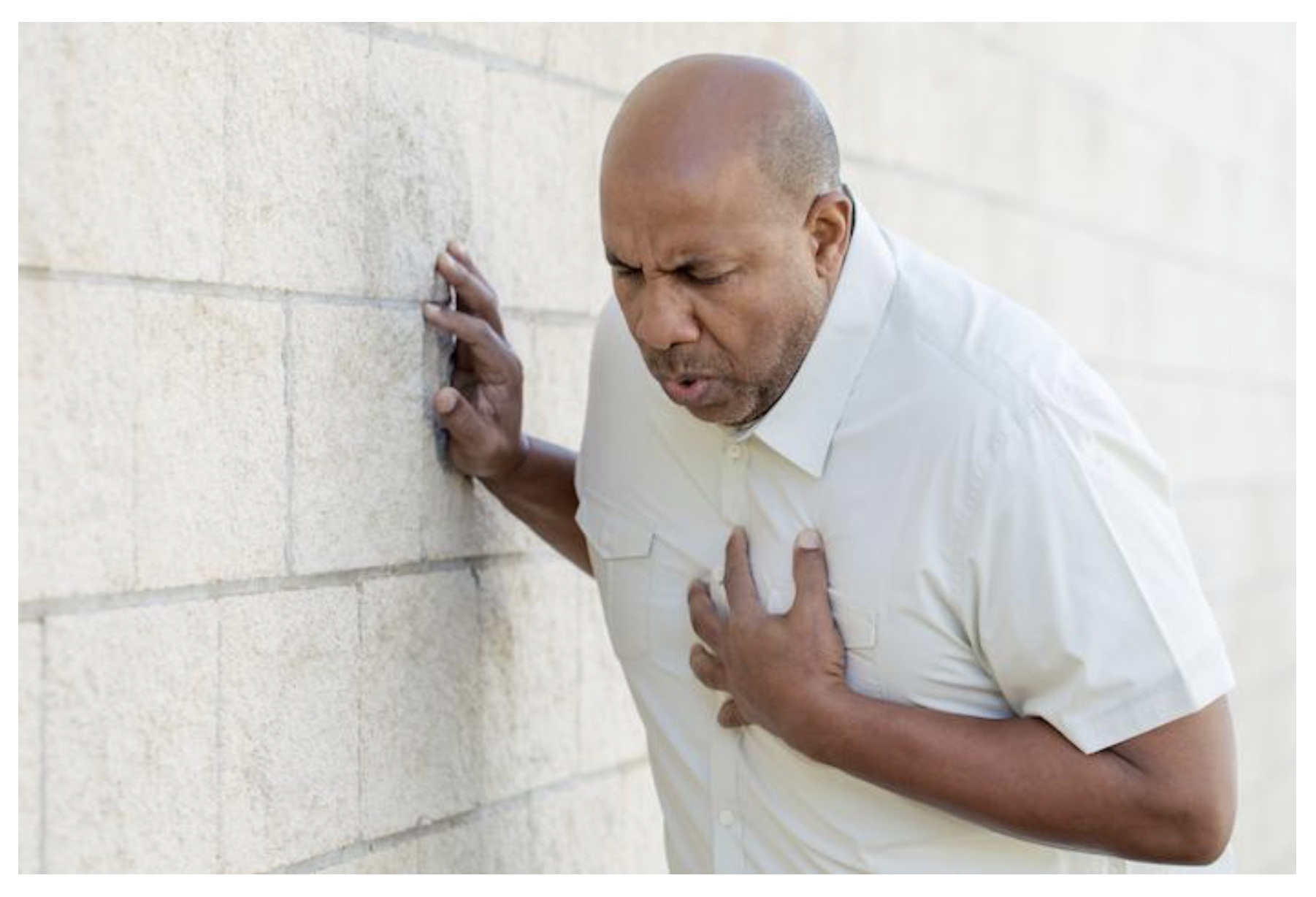
Recently I had a friend come to my clinic with a history of severe chest pain which started off at night and was so severe that she had to go to the hospital nearby for treatment. Apart from the pains what was most terrifying was that she was alone and she was afraid that she was having a heart attack. Luckily, her ECG at the ER was normal, her pain subsided with antacid therapy and she was sent back home. I write this article to tell you how to analyse your pain and what you must do. Of course if you are unable to analyse what you are going through or if the pain is very severe, I would advise you to go straight to the hospital and not lose time pondering as to the cause of the pain.
What are the Alarm signs in a person with a chest pain, things that would require you to go to the ER immediately?
1.Compressive chest pain with severe sweating.
2.Chest pain with severe dizziness
3.Chest pain with new onset breathlessness.
4.Chest pain followed by fainting or loss of consciousness.
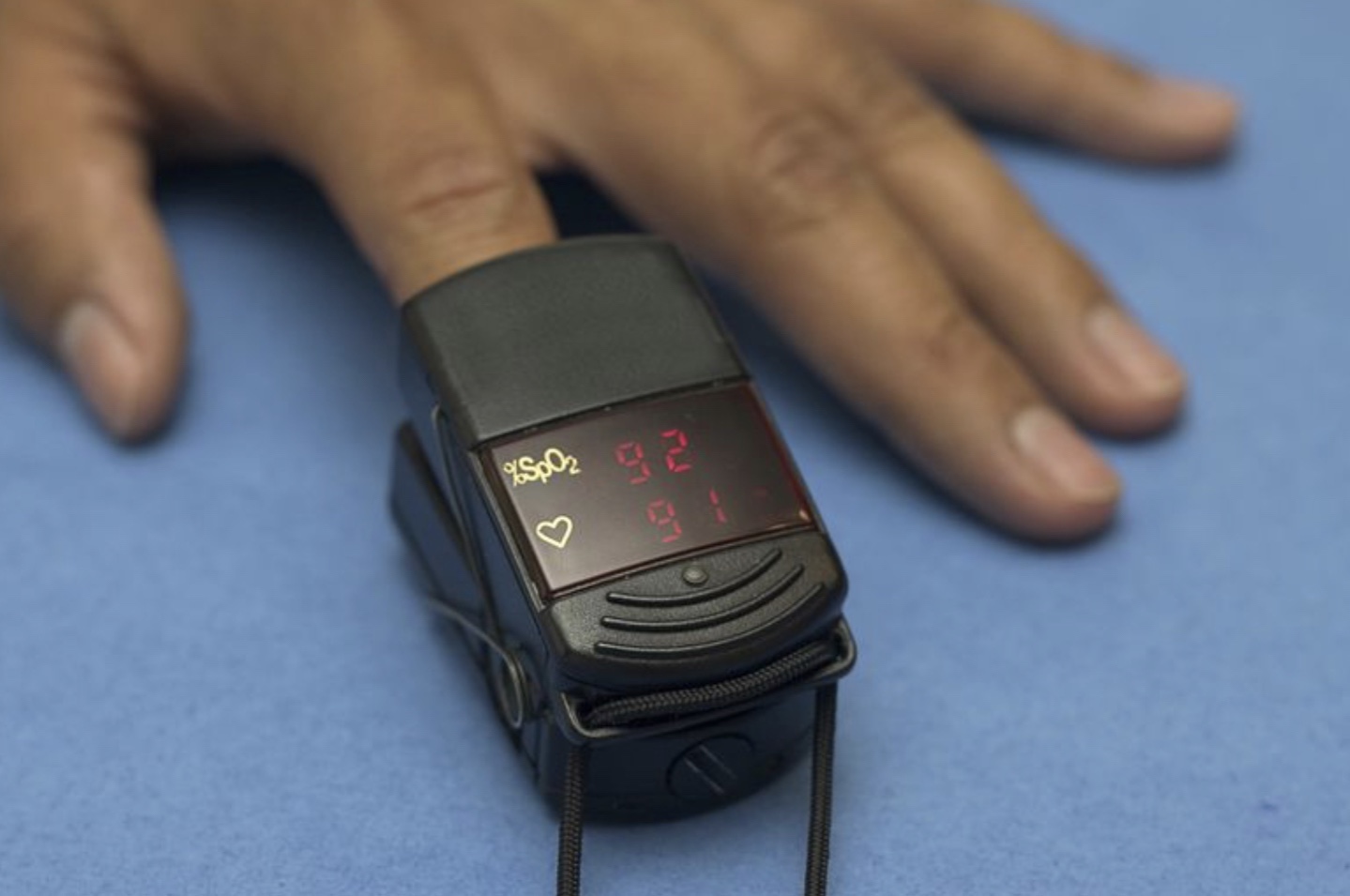
5. Chest pain with a low or a very high Blood pressure or with low oximeter readings ( < 92%)or with a high pulse rate (>100bpm)
Lets look at the common causes of chest pain, see how they present typically.
1. Cardiac pain – Pain arising due to a heart attack or angina is typically central, compressive, it could radiate to the left shoulder, arm, jaw or ear and is associated with severe sweating, nausea or vomiting, dizziness and breathlessness. The key words would be pain and sweating. This pain is usually worse on exertion and could be relieved by rest. The typical patient is a middle aged to elderly man who has cardiac risk factors such as obesity, cigarette smoking, high cholesterol levels, diabetes, high blood pressure etc. Postmenopausal women are at higher risk for a heart attack compared to premenopausal women. Also women may have a heart attack with atypical symptoms and even without pain!
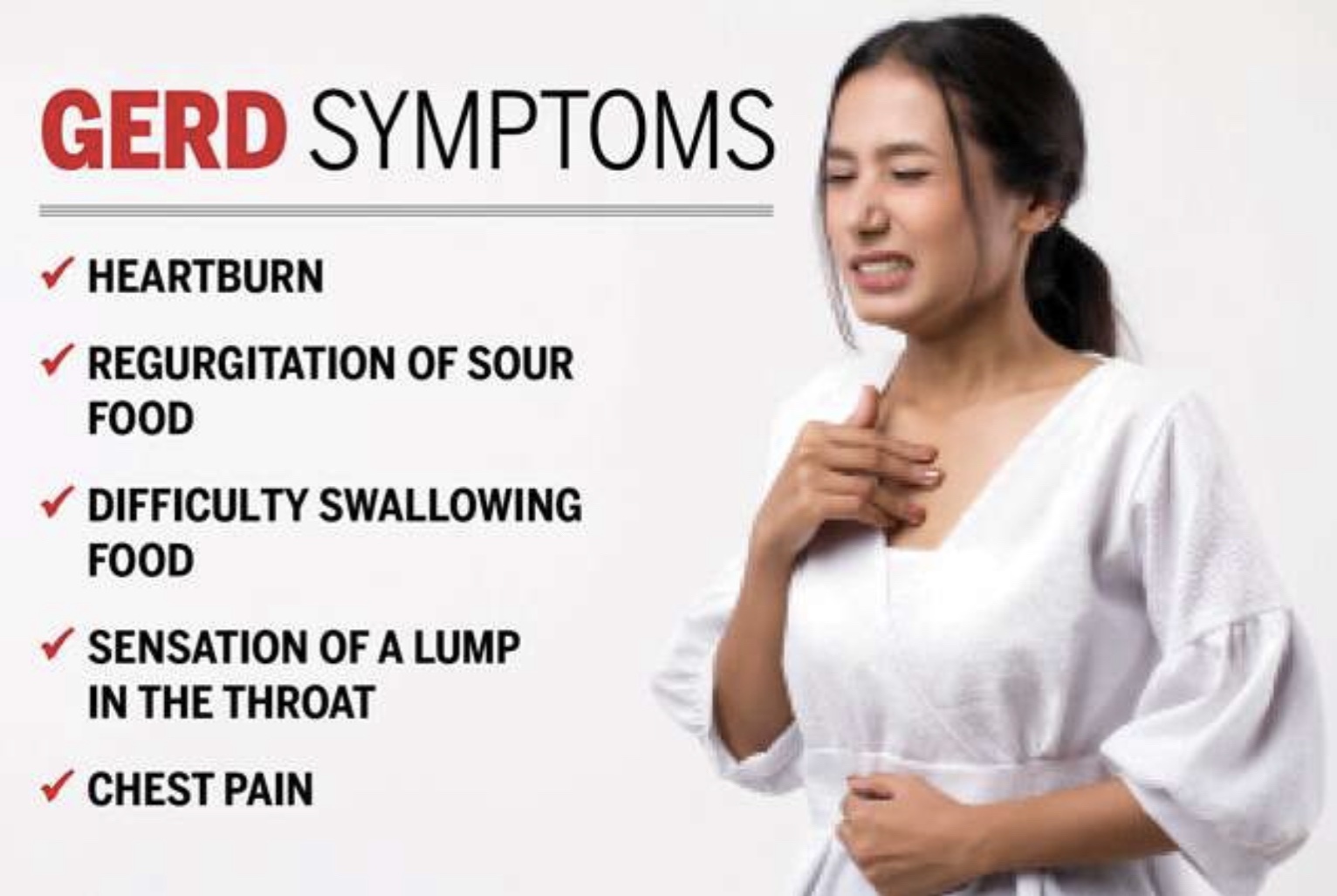
2.Acid reflux can also give pain behind the sternal (breast) bone. The pain could be sharp or dull, localised or diffuse. The pain could also be burning and be associated with bile/bitter water rash to the mouth. This is worse after a meal and on lying down in bed after food.
3. Chest pain due to Gas! Pain due to gas is usually sharp localised to a small area and can move quickly from one part of the chest to another or even the back. It could feel like a catch in the chest or like being stabbed and make breathing difficult. This pain usually happens after a meal and is relieved by belching/burping. The key words would be moving pain and relief by belching.
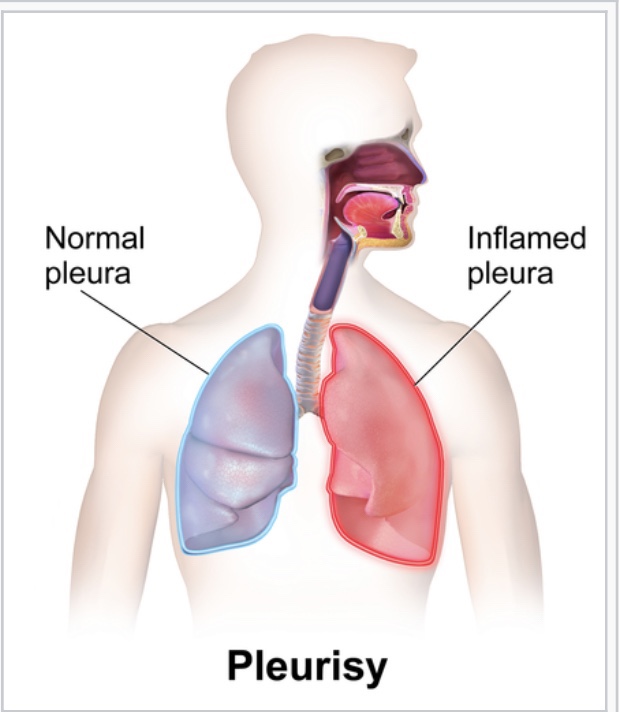
4.Pleuritic chest pain -this pain is sharp and felt on the side of the chest. It worsens on deep breathing coughing and sneezing. This is usually caused by irritation of the pleura , which is the covering of the lung and it occurs when there is a pneumonic infection of the lung. This could be associated with cough, phlegm production and breathlessness. The key words would be chest pain on deep breathing.
5. Musculoskeletal chest pain- this pain can be quite severe localised and can increase on movements, deep breathing and local pressure (which is diagnostic) If the pain increased on pressing the affected part of the chest, it is highly unlikely to be from the heart or the lung and must be from the muscles and bone of the chest. Localised pain on touch and pressure on the side of the sternal bone (2nd Costo-chondral junction is called Tietze syndrome). The key words would be localised chest pain worse on local compression. Similar pain can also happen after a rib fracture.
Other cause for chest pain:
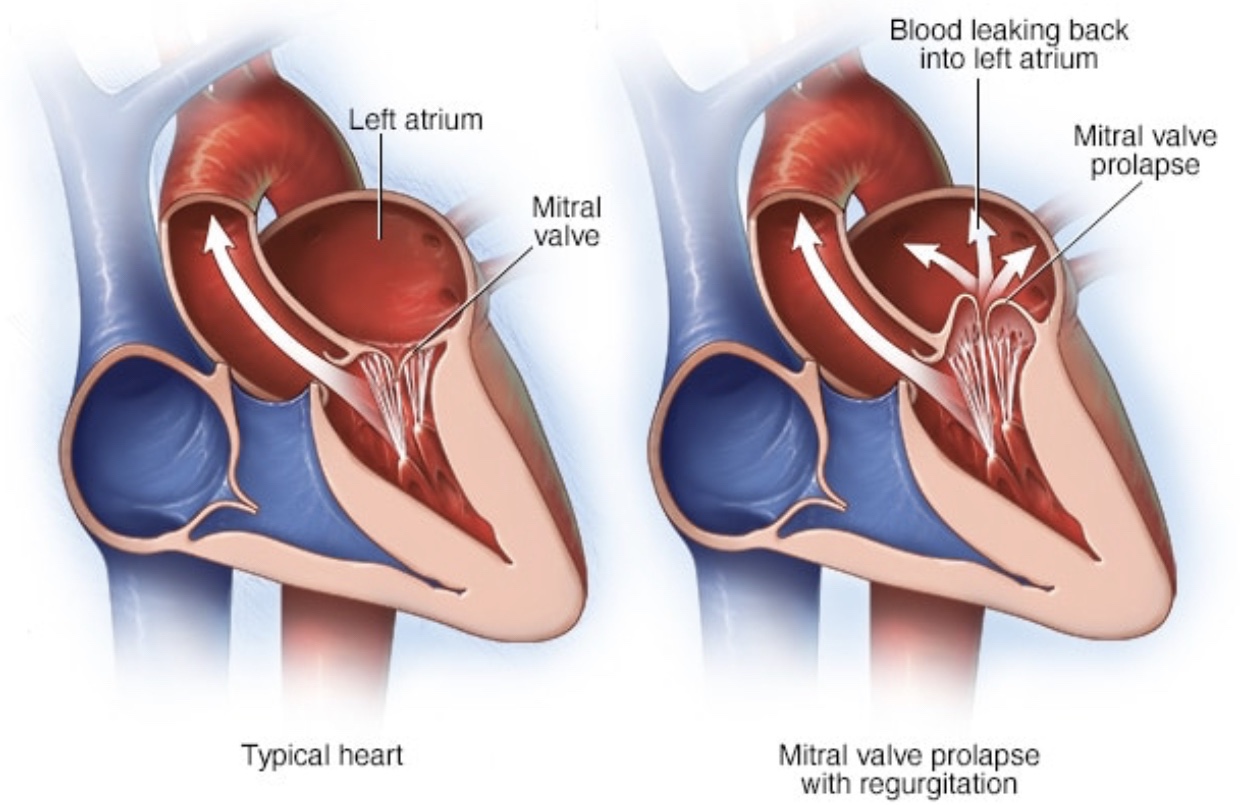
1. Mitral valve prolapse syndrome is characterised by repeated sharp pricking anterior chest pain which may be associated with palpitations and anxiety. It affects women more often than men.
2. Sudden sharp “pleuritic” chest pain with breathlessness and low Oximeter reading could be an Acute Pulmonary Embolism. The usual patient is a woman on contraceptive pills or an elderly person who has made a long haul flight (Economy class syndrome) and has developed a Deep venous thrombosis (DVT). This could also be due to a Pneumothorax. (Punctured lung)
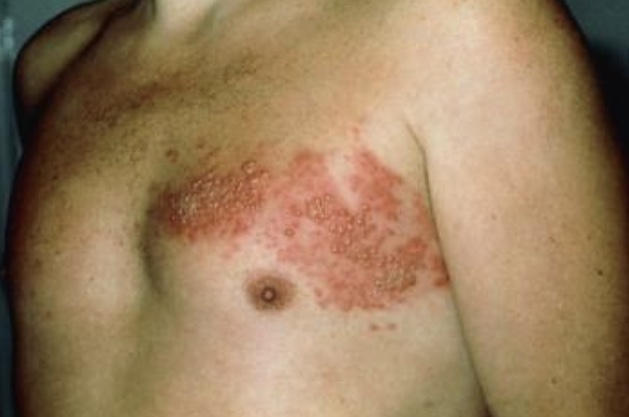
3. Herpes Zoster – the pain of herpes zoster can precede the typical rash by a few days. The pain is severe lancinating continuous and may have a pleuritic component i.e., it worsens on deep breathing.
So what should you do if you develop a chest pain?
1. The first thing would be to check your pulse rate, oximeter reading and your Blood pressure. These equipments are now available in nearly household. If the parameters are very abnormal, it would be sensible to go to the hospital immediately.
2. If you have any alarm signs – a hospital visit is a must urgently.
The vertebral column is made up of 33 vertebral spinal bones stacked one on top of the other like carrom coins. Each vertebral bone is separated from the one above and below by a intervertebral disc which functions as a cushion or a shock absorber.
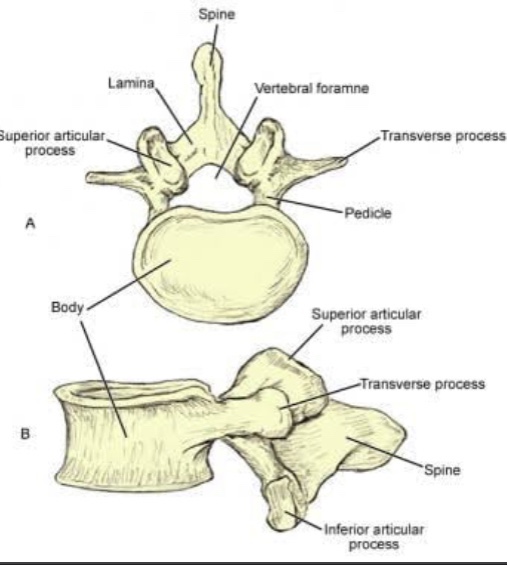
Each vertebra is made up of a body, pedicle, transverse process, articular process (facet) and spinous process.
The body of each vertebral bone is separated from its fellow above and below by the intervertebral disc in the front and the inferior articular process of the upper vertebra sits on the superior articular facets of the lower vertebra forming the Facet joints. The opening at the centre of the bone is called the Vertebral foramen through which the spinal cord passes. The spinal nerves exit sideways in between the vertebral bones.
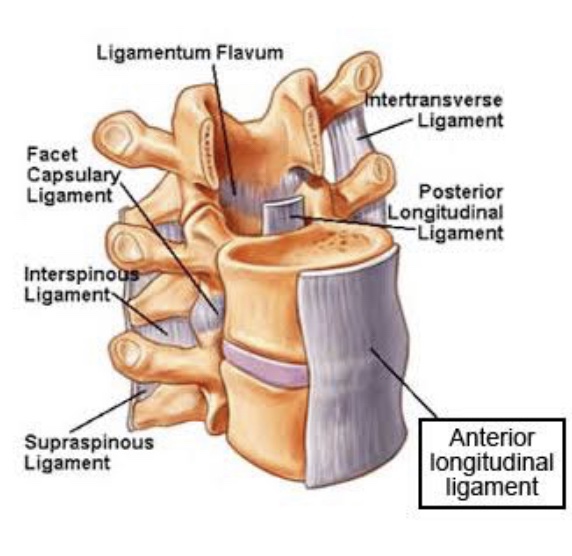
The vertebrae are supported and kept in alignment by strong ligaments.
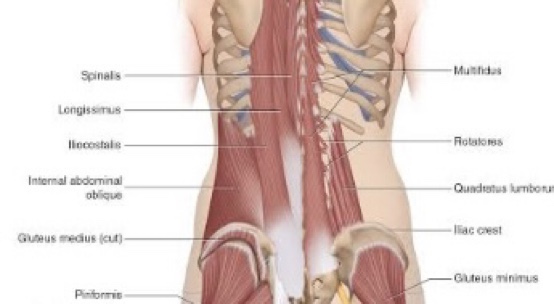
And the ligaments are covered by muscle which not only support the spine but also move and turn it.
There are 4 types of pain that you can feel around the spine – Radicular pain, muscle spasm pain, Facet joint arthritic pain and muscle inflammation (tear) pain.
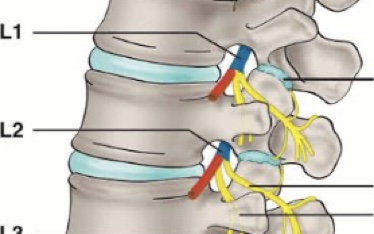
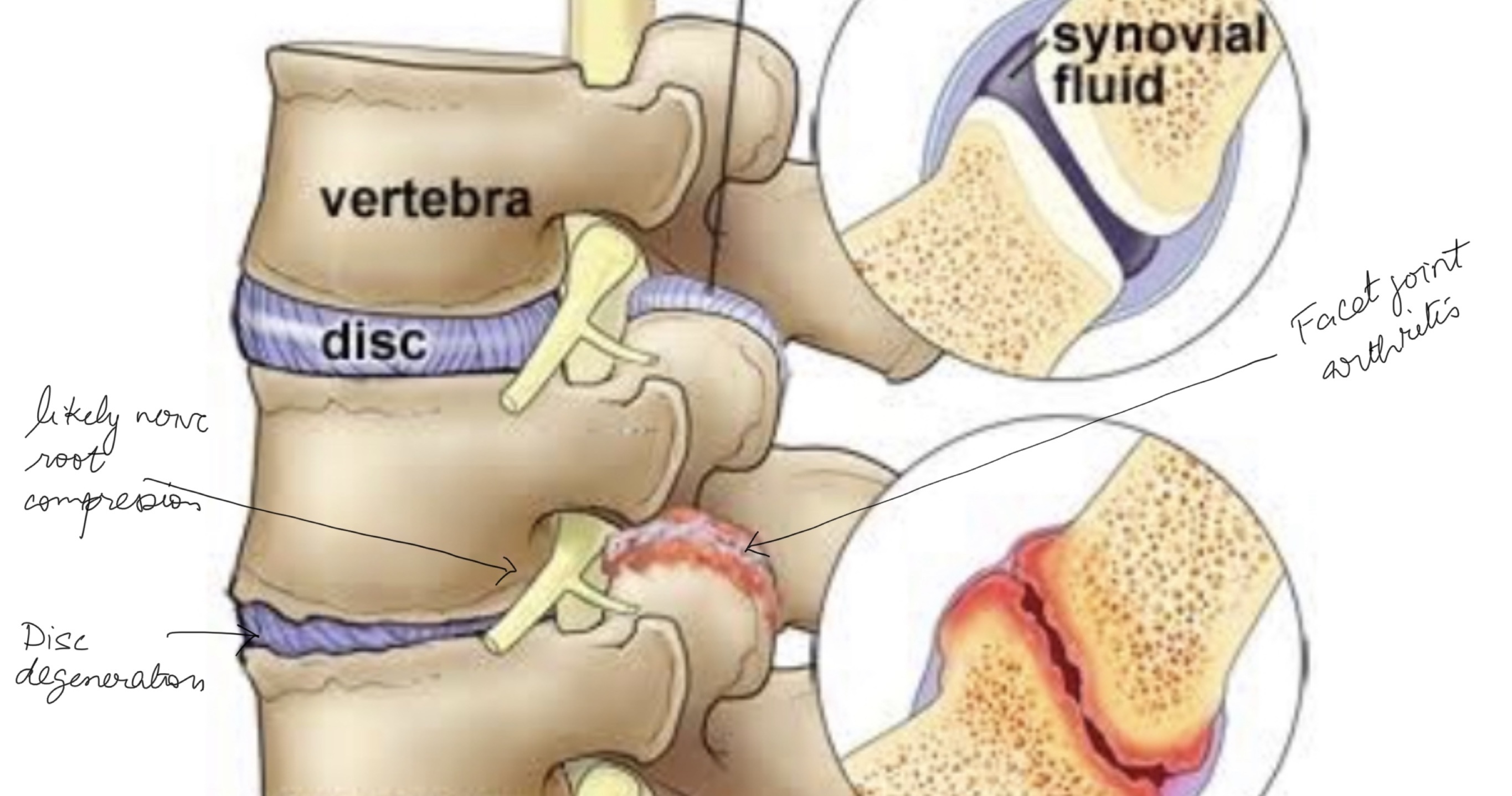
1. Radicular pain – is pain that runs along the direction of the nerve that is touched/compressed by the degenerative process of the spine as indicated in the diagram below.
Sciatica is a type of Radicular pain that runs down the back of the leg upto the toe. It is described as sudden shooting and electric shock like!
Anti neuritic treatment along with a week’s bed rest will reduce this pain
2. Muscle spasm are a dull continuous and distressing kind of pain which stops you from bending down. The pain is diffuse and the exact location cannot be shown to others.
Muscle relaxants work very well to reduce this discomfort. A variety of different medications are available.
3. Facet joint pain is usually sudden sharp and localised to a small area in the back.
This pain responds very well to anti inflammatory pain killers.
4. Muscle tear pain usually happens from severe stress to the spine leading to a muscle tear. The pain is localised to one muscle which is swollen and tender (pain generated by local pressure)
Anti inflammatory pain killers will work very well to reduce pain. Trapezitis is the term used to describe pain and tenderness of the Trapezius muscle in the neck and shoulder area.
Ice pack for acute pain and Hot fomentation once the severity of pain reduces is helpful.
Spinal support from a neck collar and Lumbar corset can also be quite helpful.
If you develop a little insight into your pain, you may be able to help your doctor prescribe the correct medicine for you.
Finally, once the back pain reduces with medicines and physiotherapy, regular core and neck strengthening exercises are the only way to keep back pain from any cause from recurring.
Chennai (previously known as Madras), is the capital of this southern state of Tamil Nadu. The weather is so hot that the British have a dish named after this city called Chicken Madras. Despite being dry most of the year, many infectious disease are prevalent throughout the year, only that some are more common during the rainy season. Infections are an important reason for high temperatures in the city.
The 5 common endemic infections in Chennai are:
1. Malaria – Vivax malaria is seen more often compared to falciparum malaria and typically cause high fevers with intense shivering (rigors). A person suffering typically experiences a cold phase with shivering, a hot phase with high fever and a sweating phase with drenching sweating. This happens periodically once a day or once in 2-3 days.
2. Typhoid fever (Enteric fever) – this is food borne infection caused by salmonella gastroenteritis. This can present variously but what is usual is that there would be some degree of a gastrointestinal upset. The patient could present with fever,shivering, body pains, headache,rash etc.
3. Dengue Fever – is another mosquito borne viral infection spread by the day biting Aedes aegypti (tiger mosquito – with white stripes on it) which is believed to bite below the knee. Fever can be high with shivering and severe back pain. A rash is also possible in light skinned patients.
4. Leptospirosis or Rat fever is caused by a family of 400 bacteria and causes fever with severe body pains. Some subtypes can cause jaundice, bleeding tendencies along with the fever whereas some others can cause kidney failure. This bacteria enters the body when water contaminated by rat urine (containing the bacteria) comes in contact with the body of the patient.
5. Scrub Typhus -happens due to a organism called Rickettsia and is a mite borne infection. The bite usually occurs in people who travel to heavily wooded areas such as IIT Madras or Raj Bhavan. The fever can be very high and the patient can have a very severe headache. Usually a black ulcer is found in the flexures of the body (under the breasts and in the groins)
The number one fever in Chennai over the last 2 years has been Covid 19. Patients usually have a fever with upper respiratory symptoms such as a headache, sore throat, runny nose, sneezing and cough with some phlegm production. A small proportion of patients develop a severe immune mediated pneumonia during the second week of the infection.
Urine infections, Intestinal infections, Skin infections are other common causes for fever. These infections are usually easily treated.Early diagnosis will help ensuring an early cure and rapid return to normal living.
A few years ago, a dear friend of mine succumbed to advanced Stomach cancer. It had spread quite far at the time of diagnosis although he had been symptomatic with stomach pain for just a week prior to that. After his death, a classmate who is a senior gynaecologist “ordered” her husband (another classmate) to undergo a Gastroscopy and Colonoscopy just to see if everything was OK, which he rightly refused to do! A diagnosis of Cancer or a death of a close relative from Cancer fills us with so much dread and we approach the topic (and even just the word) with so much anxiety and trepidation. Cancer screening (checking for cancer) must be done with a rational mind not swayed by emotion, denial or defiance!
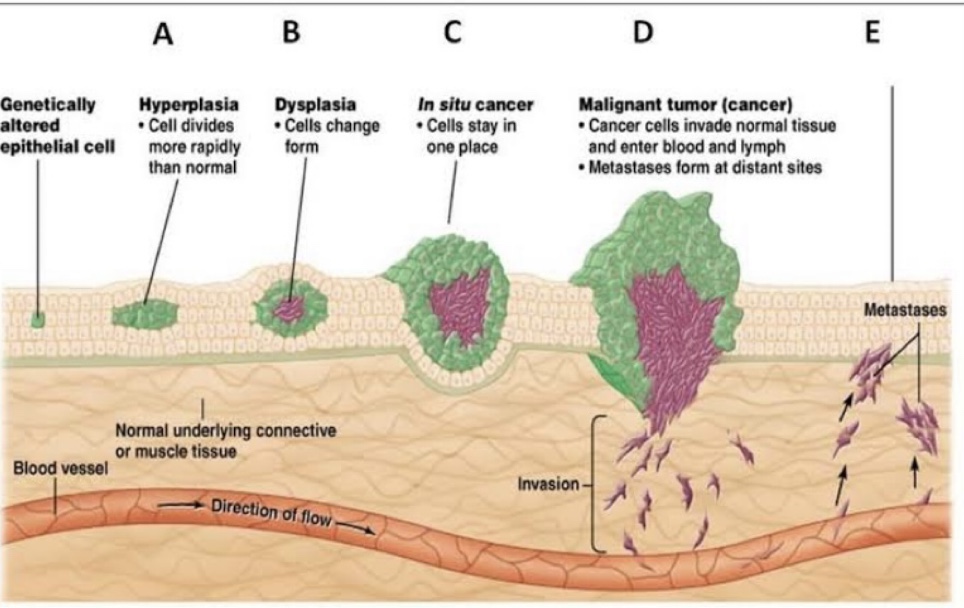
Cancer is usually slow growing until or reached a certain size when they start to spread through the blood vessels and lymph vessels.
The diagram above gives a good depiction of how Cancer starts off. Mutations are changes in the DNA that happen frequently in dividing cells. Greater the cell growth, greater is the chance of more mutations. If the mutations code for faster cell growth, the mutated cell will start outgrowing the adjoining normal cells forming a “Lump”, initially a microscopic focus and then a visible lump. All cells have surface proteins that tell the immune system that they belong to the person himself. Mutated cells display different surface proteins which may help them escape detection by the immune cells thereby allowing them to continue growing.Once the basement membrane is invaded, the tumour starts spreading faster. Tumour cells invade the lymph vessels and the blood vessels and are distributed far away from their site of origin (Metastases). In each of these sites they grow uncontrollable until they steal all the energy from the normal cells and lead to weakening of the host body.
Chronic irritation of the body by alcohol and cigarette use, chronic infections such as Hepatitis B and C and HIV will increase the number of mutations. Malnourishment, old age, immunosuppressive infections, medications can impair the functioning of immune system and encourage the new growth. Genes may play a part by increasing cell turnover or impair immune function including those specific cells that kill cancerous cells.
The entire process may take upto 10 yrs or longer. It is therefore important to screen people to detect early stages of cancer i.e., premalignant conditions in order to implement early treatments to reduce cancer deaths. Therefore Cancer detection should be started earlier, continued at regular intervals until your doctor determines that your risk for whatever reason is now reduced and that you wouldn’t need further close screening. This would only be possible if you understand the need for and comply with periodic body check ups!
Who should be screened for cancer?
1. People who are older especially about the age of 60 are at a higher risk of cancer.
2. People with a strong family history of cancer in a first degree relative. Lets us look at my maternal grandmothers family history. She was from a big family with 7 siblings. The eldest sister had an Ovarian cancer, the next was her brother who had Diverticulosis with Cancer of the colon, the 3rd and the 4th brothers had prostatic cancer, the fifth had blood cancer, the 6th had uterine cancer and my grandmother had a Lymphoma twice and a breast cancer and her youngest (touch wood) is doing well. Cancer genes have varying penetrance i.e., their ability to go down the generations vary. Also the gene may get diluted with the inheritance from the other parent. Certain cancers like those of the Breast and Uterus can run in families.
3. People with bad Lifestyle – Smoking and tobacco in all its forms cause 14 different cancers from the mouth to the anus. Alcohol consumption, chronic chemical exposure and non vegetarian food intake can cause cancers. Others would include obesity, lack of physical exercise, inadequate fruits and vegetable intake and excessive saturated and trans fat intake.
4. People on immunosuppressive medication may be prone to some skin cancers.People who have received chemotherapy have a higher incidence of haematological cancers. Radiation therapy increases the chances of developing thyroid, breast, brain, skin and secondary sarcomas.
5. People who already have premalignant conditions that would require close monitoring or even treatment.
1. Leukoplakia
2. Oral submucosal fibrosis
3. Ductal or lobular carcinoma in situ breast
4. Lichen planus
5. Barrett’s oesophagus
6. Atrophic gastritis.
7. Ulcerative colitis and Crohn’s disease
8. Cervical intraepithelial neoplasia
9. Bladder carcinoma in situ
10. MGUS
When should you start screening for cancer? It would be sensible to start screening for cancer between the ages of 40-50 or as advised by your doctor.
How should you go about screening yourself for Cancer?
Find yourself a good doctor who will make the time to talk to you patiently and answer all your questions. Not every lump or bump is a cancer. There are many lumps that are benign and will never turn cancerous like Lipomas. A good doctor will know when to reassure you , when to investigate and when to refer you on to the appropriate specialist.
An annual or biannual master health check up above the age of 40-50 yrs will be good to screen you and identify early lesions when you have no physical complaints with your body. For example thyroid lumps, breast lumps, lymph nodes, anaemia from intestinal blood loss may alert you to the possibility of a cancer.
Real life story:My friend’s 38 year old wife was given Iron supplements for anaemia by her gynaecologist. She came to me a month later with severe abdominal pain and fecal blood positive report. A colonoscopy was attempted but what they found was a tumour nearly fully occluding the rectum. She underwent a major surgery where they found that the tumour had spread all over the abdomen. She lived for just 6 months after that. It made me wonder if we could have changed the outcomes if we had tested her appropriately one month earlier.
Regular health check ups can pick up these issues earlier.
Know the worrying symptoms of cancer:
1. Unexplained weight loss >10% of body weight
2. Anorexia- absolute loss of appetite
3. Unexplained persistent fatigue.
4. High grade fever not due to any infection.
5. Altered bowel habits – alternating constipation and diarrhoea.
6. Blood in sputum, vomitus, stools and urine
7. Discovery of new lumps and bumps in the body especially those that are growing quickly.
8. Unexplained anaemia or low blood counts
9. Unexplained fracture of bone even without trauma.
Take home points:
1. Talk to your doctor and take his guidance. It is recommended that a PAP smear test is done every 3 yrs after the age of 20 and a mammogram every 2 yrs above the age of 50. For a man a sigmoidoscopy can be done every 5 yrs and a colonoscopy every 10 yrs.
2. Know what the worrying symptoms are and approach your doctor for advice.
3. Observe healthy lifestyles and avoid habits that put you at risk for cancer.
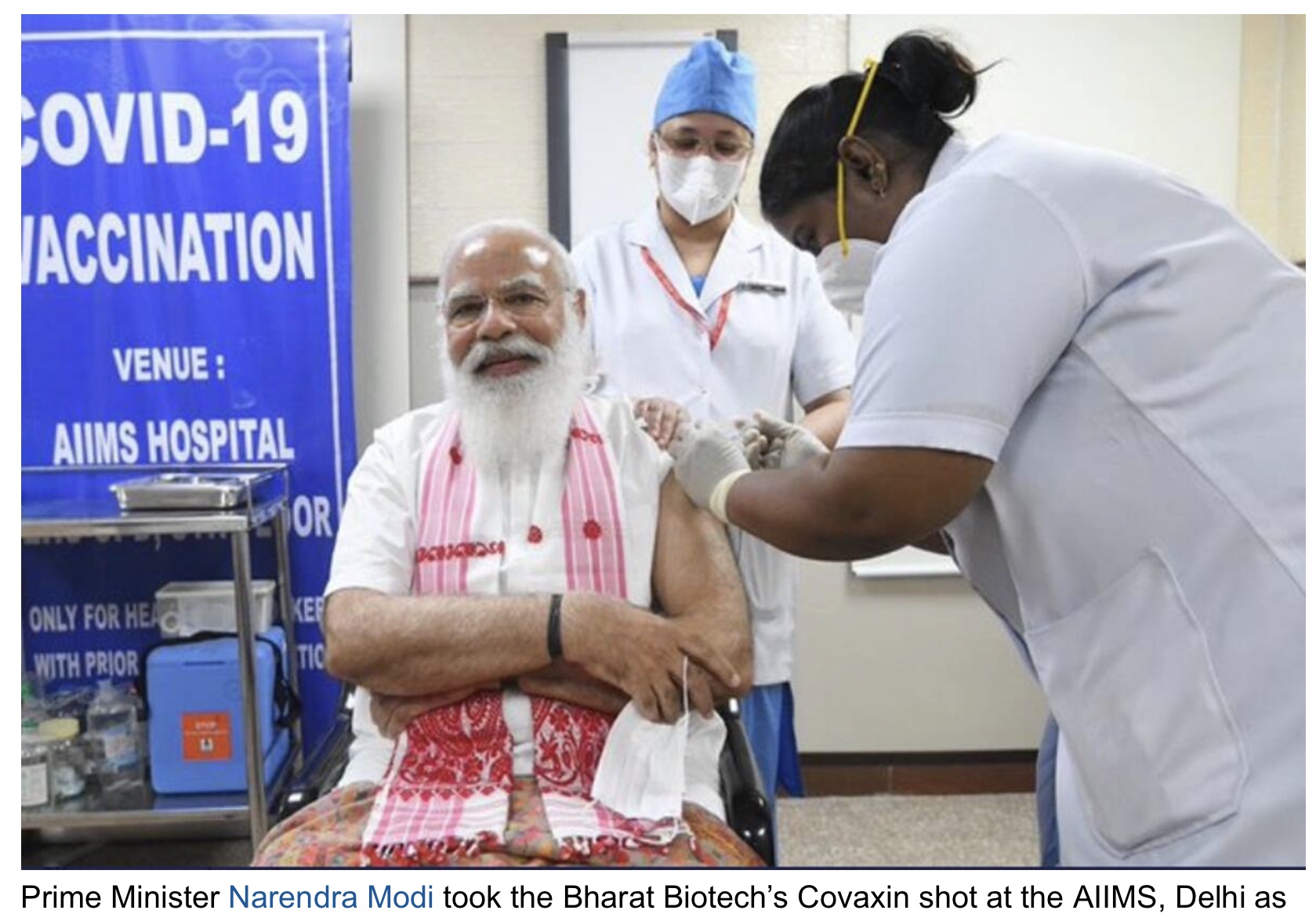
Two vaccines are available in India at present. The Covishield (Astra Zeneca/Oxford) vaccine is manufactured by Serum Insitute at Poona and the Covaxin vaccine is manufactured by Bharat Biotec based out of Hyderabad.
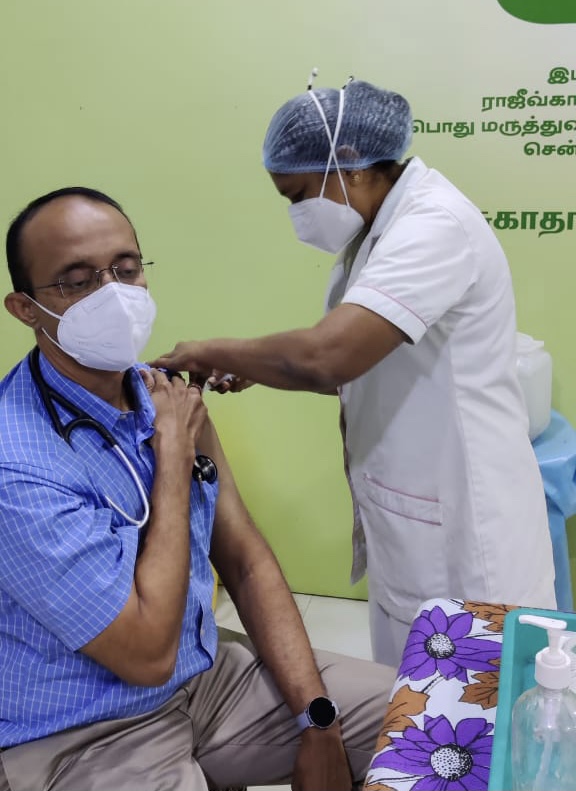
The poster in my clinic reads “When Narendra Modi and Subash Rau have taken the Covaxin vaccine, SO SHOULD YOU!😀😜 Or like all the others, you could take the COVISHIELD VACCINE!”
I think that it makes good sense to take any vaccine that would increase your resistence to the dreaded SARS-COV2 virus. We dont argue about taking Polio drops or the Rabies vaccine, so why do we object to taking the Covid Vaccine. The infection caused is REAL and the disease causes severe morbidity and even death in many people unlike any other infection in living memory.
Why I recommend the COVAXIN vaccine! The COVAXIN vaccine contains the entire virus that has been chemically killed. Therefore it would stimulate the body to produce antibodies to all components of the virus. I believe that this may give additional protection especially against mutant (newer) variants.
The COVISHIELD vaccine contains the message (RNA) that codes for the Spike protein of the Covid virus. Once injected it stimulates the body to produce antibodies against the Spike protein of the Covid virus ONLY. I believe that this may not, therefore provide the best cover against mutants varieties. Further , some believe that the immune response produced is a little weaker in the elderly.
What are the common side effects of Vaccination? Fever, swelling and pain at the injection site, dizziness, fatigue can occur after any vaccine and can also happen after the Covid vaccine. I believe the rates of local complications (swelling, pain, minor bleeding) are higher with the Covishield vaccine. However these are minor and will resolve in a week to 10 days time.
What precautions should you take if you are going for the vaccine? While stopping of blood thinners is advised for people going in for vaccination, I usually advice my patients NOT to stop any medicines that they normally take including blood thinners. The only real contraindication to vaccination is a history of previous allergy to the vaccine (which ofcourse, you wont know about until you take the first dose of the vaccine). So dont think too much about it, just take it!
There have been some centres that give vaccine for those willing to take the shot but arent yet eligible due to NOT having risk factors for severe disease or because they arent in the right age group. (at present , the vaccine is only offered to those above the age of 45yrs). Some centres fill in wrong details to make you eligible for the vaccine and this could have serious repucussions for you at a later date. I strongly advice you, not give wrong information while registering for the vaccine!
How long does the immunity from the vaccine last? the immunity from catching the Covid infection is believed to last for 6-8 months. It is for this reason that people recovering from Covid are asked to wait for 6 months before taking the vaccine in the west (and they are offered one shot of the vaccine only) . However people in India are given 2 shots of the vaccine as early as a month after recovering from the vaccine. I dont understand the rationale for this. It is not known how long the immunity induced by Vaccination would last. Only time and further study would tell.
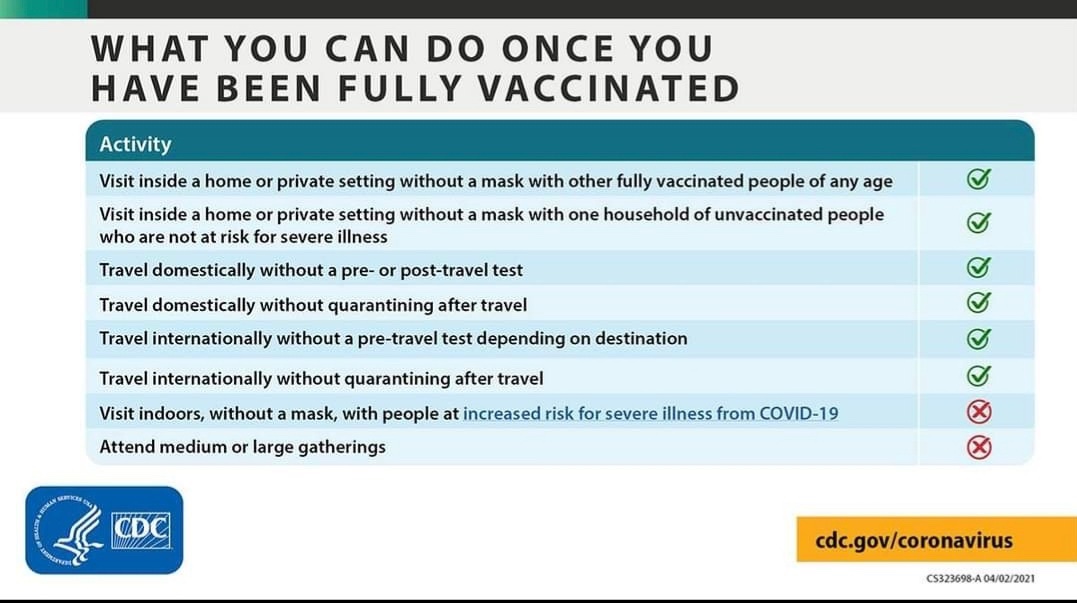
What can you do and what shouldnt you do after completing 2 doses of Vaccination? The CDC has come out with some suggestions recently. Vaccinated individuals can meet indoors without masks unvaccinated individuals provided nobody in that house is at risk for severe covid (i.e., very old, very obese or patients with severe heart disease, lung disease, kidney failure or after organ transplantation or on strong immuno- suppresssive medications). So if you are fully vaccinated, you can now meet your children or grandchildren without masks and even hug them! You could also have a wedding reception for 50 people at a hotel provided that all of them ( invitees as well as staff) are vaccinated. I would also say say that you could also have a party for your friends at home using the same restrictions provided all of you have been fully vaccinated. Basically the CDC seems to be saying that you can have a near normal life if everyone you are in contact with, is fully vaccinated. Therefore to simplify this recommendation – you could meet in groups without wearing masks provided everyone has taken 2 shots of the vaccine and that none of the attendees have high risk features for severe covid and none of them have travelled long distance recently.
However you should note that : Vaccination is believed to prevent only disease and death and not infection. So if you are careless even after vaccination, you may acquire the infection and then pass the infection to someone else who may then die of the infection. If you are one in those 5-6% of people for whom the vaccine would fail, you could be a superspreader and could pass on the infection to many people. At the moment, we still do not know how to measure the immunty that is produced by full vaccination.
Currently, Travel (long distance) seems to be the most important cause for spread of the Covid infection. Travelling seems to put people at a very high risk for catching the infection. Israel has befun issuing a 6 month Vaccination passport which wold allow people to enter into restaurants, sports hallls and venues. This might also push people who are otherwise reluctant to get vaccinated.
Keep checking on this article. I intend to post more here as and when informaton is available.
Travelling anywhere isnt entirely safe in these days of the Covid Pandemic. Travelling puts you in contact with too many people who are potential transmitters of all kinds of infections including COVID 19. It was in the news recently about how a coach of a Australian Open Tennis player, who had tested negative before boarding the flight, was found to be positive on landing in Australia. This to me highlighted the medical risks of travelling. In this article , apart from my perspective, I also include some information that I got from an article from the Journal of the American Medical Association (JAMA).
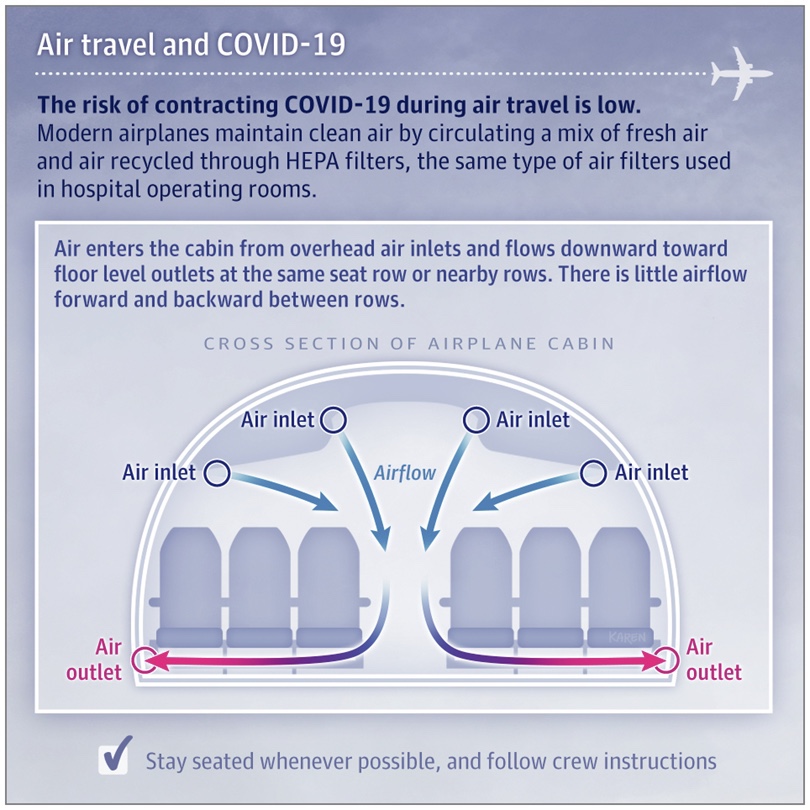
Things that are supposed to prevent transfer of Covid 19 while travelling! The air inside the cabin is circulated in such a way that discourages respiratory droplets from spreading. The air from the overhead inlet flows downwards towards the floor level outlets. There is little airflow forwards or backwards between rows. I would presume that because they discourage people from standing inside the airplane, standing disrupts these air currents and scatters respiratory droplets. Crowding or seating passengers without gaps in between would probably put passengers at risk. Fresh air from out side the airplane is mixed with the HEPA filtered recycled air and recirculated inside the plane. The air movement inside is much faster than inside normal building on land. Therefore, features that increase safety of air travel are: 1. seating with gaps inbetween travellers. 2. discouraging passengers from standing inside the airplane. 3. HEPA filtered air that is circulated. 4. encouraging universal protective behaviour such as the wearing of masks by all, use of hand sanitizers before and after touching anything, avoiding face to face conversations, avoidance of touching eyes, mouth and nose and avoidance of hand shaking, high fives and kissing. 5. keeping the seat upright, this would probably maintain laminar airflow and prevent the spread of droplets. 6. avoiding food and beverage consumption would allow the traveller to keep his mask (protection) ON at all times.
Whatever said, the estimated risks of transmission of COVID 19 infection is believed to be small . In one study from China among contacts of 2300 known cases aboard high speed trains, an overall transmission rate of 0.3% was noted.
from JAMA
Factors that increase the risk of COVID transmission during flight. 1. You being unaware or careless about your risk of transmitting infection to others. The Virus has an incubation period of upto 14 days , so you may not develop symptoms for 2 weeks after you travel. People become infectious and can transmit the infection 2 days before the onset of symptoms (such as fever, cough, cold, body pains, loss of smell and taste etc). It is difficult, virtually impossible to determine where and when you caught the infection. You could have caught the infection when shopping at the mall, travelling by public transport, meeting with a few friends, attending a social gathering of any kind. After 5-14 day incubation period you may develop symptoms (25% of those infected may be asymptomatic) You could start spreading the infection to others 2-3 days before you become symptomatic. Questioning asymptomatic people about where they travelled, whom they met or even if they have any symptoms before they boarded their flight is may be very difficult.
2. Five things that are advised to prevent the spread of COVID 19 are very difficult to practice while travelling (Avoiding crowds, keeping 6 ft distance from everyone around you, wearing a face mask all the time, not touching your eyes, nose and mouth and finally washing your hands or using a sanitizer every 20 mins) 3. Spending >15 mins sitting <6 feet from others and talking face to face without masks are believed to be high risks for spreading infection to others. These things cannot always be avoided while travelling. Just checking in your baggage or sitting inside a crowded airplane may put you at high risk!
What the Airports and Airlines are doing to prevent COVID spread? 1. Questionnaire for all to fill out – regarding the presence of symptoms of infection – with warning that those who have symptoms wont be allowed to travel! I am sure that many would rationalize that it was only an allergic cold , that their symptoms wasnt COVID or just not tell the truth because they have an urgent need to travel! 2. Check temperature for eveyone. 3. Enhanced cleaning and disinfection of airplanes and airports. 4. Contactless boarding and baggage processing. 5. Use of physical barriers to maintain physical distancing. 6. compulsory use of face masks. Provision of face shields, sanitising towelettes, hand sanitizers to all. 7. Seperation between passengers on board or the supply of PPE kits for those sitting in the middle seats. 8. Minimising food and beverage services to limit contact and to limit pulling down of masks. 9. Controlled access to aisles and toilets on board the aircraft. 10. Limiting cabin luggage, staying seated and following crew instructions and to sanitize hand frequently.
Take home message for the passenger. Not to travel in case you have a fever, coldor a new cough! While airports and airlines are taking all necessary precautions, it is important that each and every one of us do our bit to prevent the spead of this dreadful disease to not only our loved ones but also to people in other parts of the world.
This article is written to give some information to the reader and is not supposed to be a replacement for a doctors consultation. I advice to run this information past your own doctor who will advice you on the most appropriate treatment for you.
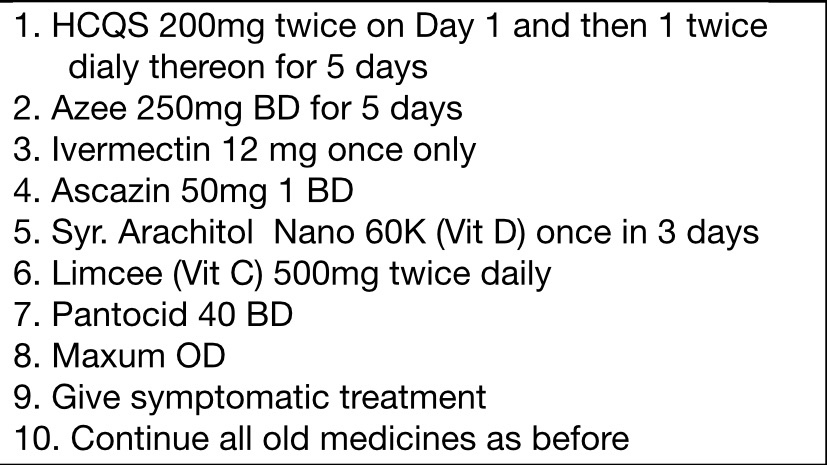
Basic medication for the Infection
For Cough and Breathlessness
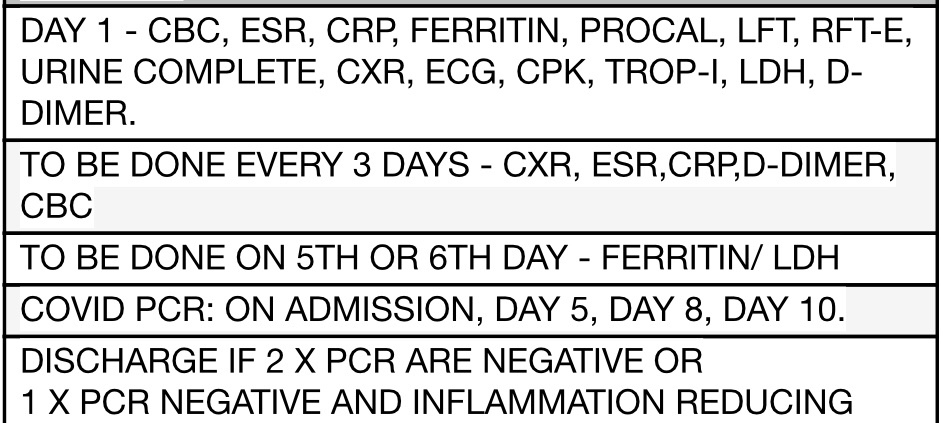
Basic tests for the admitted patient
Indicators of severe and critical COVID Infection
For breathless patients with low SPO2
For elevated DDimer
If patient is looking very toxic with elevated inflammatory parameters
If the BP is very low
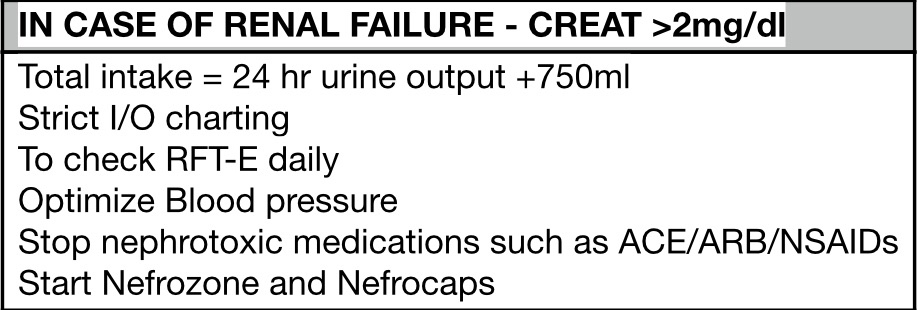
If the kidney functions are abnormal
If patient is very drowsy or confused
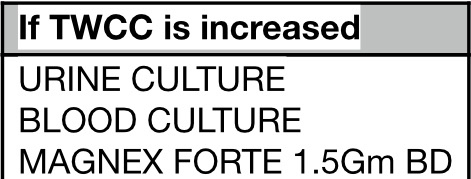
If the white cell counts are increased
Newer medicines that are not freely available in India
As the Covid pandemic sweeps across India, more and more people are testing positive for Covid by PCR testing. This article is written to give some information and advice to those who are in close contact with those infected. This article is meant only to give the reader some information and not to replace a doctors consultation.
The first thing to do is to ensure that the person is definitely positive by COVID19 PCR testing.
If you also have fever, cough or cold you must see your own doctor and get a prescription from him.
If you have no symptoms whatsoever at present, you could get an ECG done. After showing the ECG to your doctor, you might be advised to take PROPHYLAXIS for COVID19. At present, prophylaxis is only recommended for Health care workers and not for the lay public.
The usual protocol of prophylaxis offered would be
1. Tab. HCQS 200mg, 2 tabs twice daily on day one followed by 1 tablet twice daily once a week for 7 doses.
2. Other medicines that could also be taken are
– Limcee 500mg once daily (Vit C)
– Ascazin 50mg twice daily for 10 days ( Zinc)
– Tayo 60K once a week for 4 doses (Vit D)
– Maxum or A-Z once daily (Multivitamin)
What else is recommended for you?
You would be advised to self quarantine indoors at home, ideally in a single room with bath/toilet attached. You would be advised to wear a mask at all times. The room must be kept absolutely clean and must be swept and swabbed twice daily. All surfaces must be cleaned with disinfectant (Hypocholorite solution). Your clothes may need to washed seperately. It would also be imperative for you to keep your distance from the high risk people such as the elderly, diabetics and those with heart lung liver and kidney disease and to avoid gatherings.
What can you do in case you develop symptoms?
The usual symptoms of COVID19 are fever, sore throat, dry cough, breathlessness, extreme fatigue, headache, body aches, loss of smell and taste. In case you develop symptoms I would recommend that you contact your own doctor for a prescription medicines to ease your symptoms.
You would also do well if you socially distance yourself and put yourself in self quarantine. If symptoms persist beyond 3 day you could get a PCR test done for COVID19. For this you may need to see a doctor and get a requisition form for the same.
If you test positive, your doctor would give you a prescription for treatment. Hospital admission would only be needed in case of high fever, persistent severe cough and progressive breathlessness.
I write this article to give my patients a little clarity with regards to what they should know and what they should do in case they develop any fever or other symptoms this season. I would like to make a disclaimer that this article is being written on the 24th of March 2020 and is intended for the people of Tamil Nadu in India who have been locked down at home. The information given below is subject to change as and when new information is available. I hope that my effort would be of some use to you.
What do we know about the SARS-COV2 Virus? The SARS-COV2 virus belongs to the family of Corona Virus which includes the SARS and MERS viruses. It is a Zoonotic virus that has spread from animals to human beings. SARS-CoV2 refers to Severe Acute Respiratory Syndrome Corona Virus 2 (to differentiate it from the “old” SARS virus). It is believed to have spread from bats at Wuhan to humans and then by human to human contact.
The virus is called the Corona Virus because its surface is studded with spikes (like that on a crown).These spikes are believed to enable the virus to attach itself to the ACE2 receptor on the cell surface (found in high concentration on the Respiratory and Gastrointestinal mucosal cell surfaces). It is also for this reason that the virus causes a predominantly respiratory disease.
The disease spreads via Droplets and Fomites. Every time a patient of COVID-19 coughs or sneezes, he releases thousands of droplets containing millions of infectious viral particles. These Viral particles enter the body of its next victim when these droplets land on the eyes, nose or mouth of the person standing close by. It is believed that these droplets generally travel upto 6ft from the person coughing or sneezing. After an incubation period of 2-14 days, the unfortunate person could also develop the disease. The second mechanism by which the virus gains entry into a new host is by fomites. Fomites refers to any surface on which the droplets land. The virus then enters the next patient when he transfers the virus by inadvertently touching his eyes, nose or mouth. The virus is believed to be viable for upto 72hrs in the droplets and on fomites. Further virus shedding by an infected person can happen for 8-37 days (median 20 days). This dramatically increases the chances of spreading the infection in the community. This is why we need to lock ourselves at home for 2 weeks when we have a cough, however minor.
While anyone could be infected by the virus, most people only suffer from a mild disease with some cold, cough and fever. Most of us would recover by just staying at home and taking symptomatic treatment (such as Paracetamol, Cetrizine and a cough syrup). People above the age of 50 and those suffering from Hypertension, Diabetes, Heart disease, Kidney failure are more likely to suffer from severe disease requiring hospitalisation and even ICU care. The mortality rate is highest for this group of people.
The common symptoms of Covid infection are high fever, severe dry cough, breathlessness, extreme fatigue, loss of smell, sore throat, running nose and diarrhoea. 85% of those who catch the infection will have a minor illness and will recover within 2 weeks. About 10% will need admission to hospital for oxygen treatment. Only 5% will be sick enough to require intensive care.
What do we know about the Covid-19 Pandemic? The Covid-19 pandemic began in Wuhan, Hubei province in China in December 2019. The virus is believed to have spread to man at the Huanan seafood wholesale market. The virus then rapidly spread from China to Italy, Iran and South Korea and then to the rest of the world. To date, more than 600,000 cases have been reported in more than 190 countries resulting in 28,300 deaths. Since this virus is highly contagious and has spread very quickly, travel restrictions, curfews, quarantines have been enforced throughout the world. The mortality rate has varied from 2 to 10% across the world.
China enforced a strict lockdown after which the number of new cases reduced drastically and the overall infection came under control. Like with all epidemics, it is believed that strict lockdown might help stopping the spread of virus by June 2020.
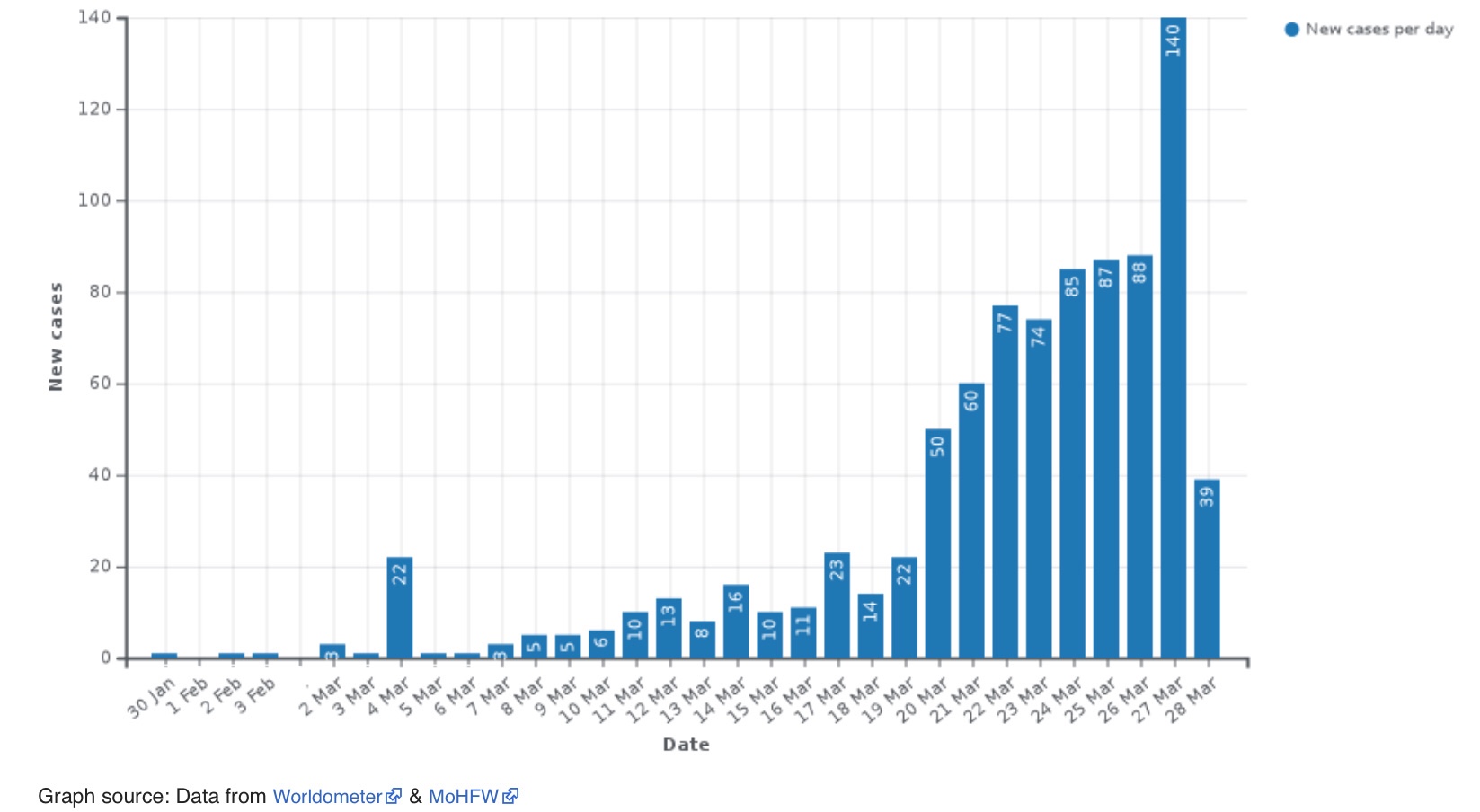
It is encouraging that the Janata curfew enforced in India for just 14 hours was followed by a reduction in the number of new cases detected as shown in the graph above. I believe that if we behave as responsible adults, cooperate completely with the Government agencies and strictly practice social distancing and the highest standards of personal hygiene, we could control this pandemic even earlier.
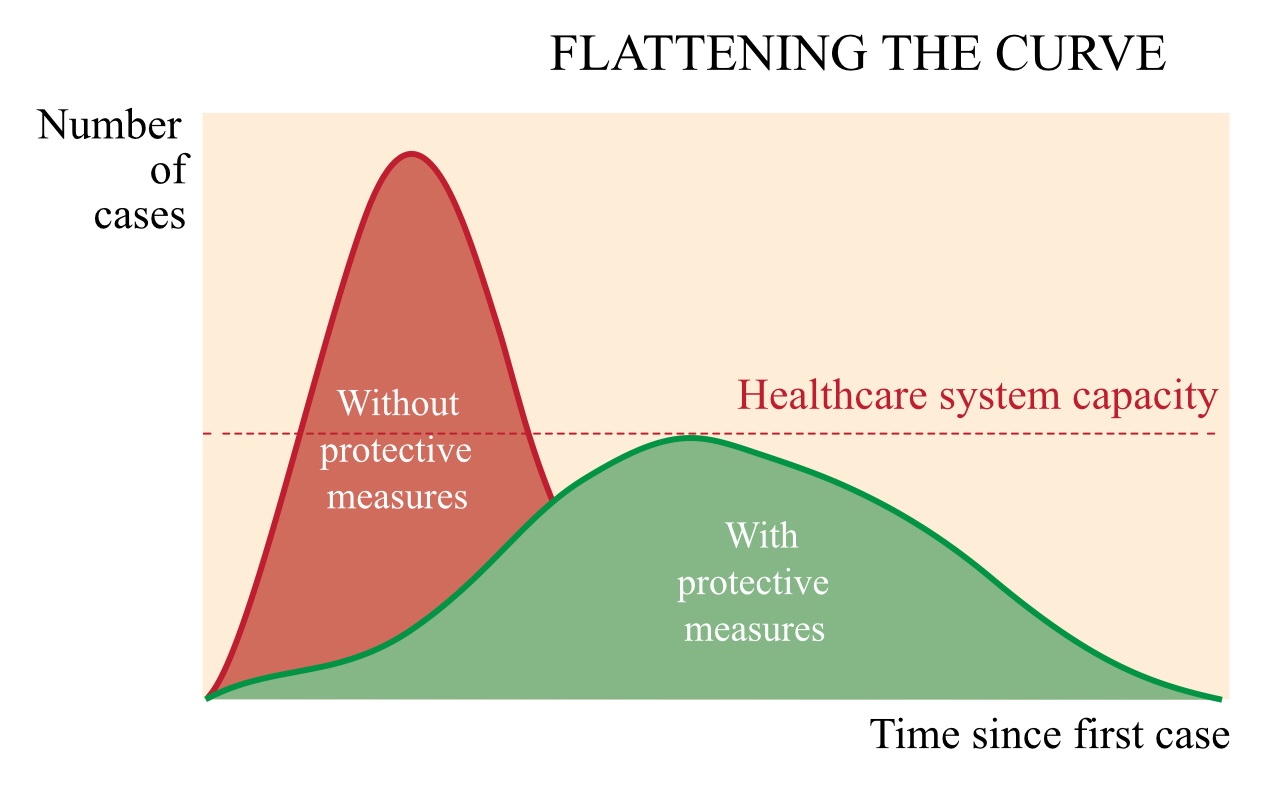
The Covid-19 pandemic has serious implications for the nation as a whole. If left unchecked, our health care services would be completely overwhelmed and lakhs of Indians could die. People talk about “flattening the curve”.
If you look in the graph given above, the red curve refers to the number of cases that may be detected if we do not practice social distancing, self-quarantining and complete cooperation with the lockdown enforced by our Government. Chennai has a population of 70 lakhs. If this virus affects all of us in Chennai and has a 10% hospitalisation rate and a 2% mortality, it would mean 7 lakh patients would require hospital admission and 1.4 lakh people would die. This would be catastrophic like in the movies and every family could lose a loved one to this infection. The consequences would be unimaginable if you took the population of India as a whole. I recommend that you watch the movie “the Contagion” to get an idea of what it could be like.
What is the usual clinical course of the Covid-19 infection? The mean time from exposure to SARS-COV2 virus and development of symptoms is 5-6 days (range 2-14 days). 80% of those who develop an infection will only have mild symptoms and will recover completely within 2 weeks time. Of those patients who went to hospitals in China after developing symptoms, 40% had only mild illness and were sent home. 40% had moderate symptoms and needed admission. 15% required admission to the ICU and 5% became critically ill. It is heartening to note that only 10-12% of those with infection with mild disease progressed to severe disease. It is therefore important to stay at home when your symptoms are mild, take treatment online from your own doctor, practice strict social distancing and quarantine (even amongst members of your own family) and go to the hospital only if you have breathlessness. Unnecessary visits to the hospital will only increase the risk of spreading the infection to the health care workers as well as other patients who are admitted for other reasons.
Severe cases can take upto 6 weeks to recover and have a high mortality rate. Elderly patients (age above 60yrs) and those with Hypertension, Diabetes, Heart disease, Kidney failure, Cancer (within 5 yrs), Strokes and Dementia are at higher risk for severe disease. Such patients should practice strict social distancing, fantastic hand and personal hygiene in order to prevent infection. The CDC (Center for Disease Control) recommends that those at high risk of Covid-19 complications should: stock up supplies avoid contact with (sick) people wash hands frequently don’t share towels and utensils stay at home as much as possible develop a plan in case of illness
What should you do if you are presently healthy and well? I would strongly recommend that you limit your time on social media and avoid reading pessimistic articles (gloom and doom). Staying positive and following the instructions given below would go a long way in helping you keep you sanity when you are locked down at home.
The recommendations are as follows:
Social distancing – stay at home, work from home – restrict or better still avoid the entry of delivery boys and domestic help into your house – avoid gatherings of more than 5 people (conference, meetings) – avoid going for a walk or jog with a friend – keep a 2-3 metre gap from other people – avoid shaking hands, hugging and hi-5s – go outside your home only for essential shopping and basic requirements
Improve personal standards of hygiene – wash hands with soap and water for 20 seconds every 20 minutes – use hand sanitiser if water isn’t available – avoid touching your mouth, eyes and nose (MEN) – bathe twice a day in hot water with soap especially after returning home – Cough/sneeze into your sleeve (Note:Face masks are not 100% protective)
Improve standards of cleanliness in your house – clean and disinfect all surfaces – floor, chair, table, door knobs, handles and switches – spray 2.5% Lysol to disinfect surfaces (add 50ml of Lysol in 200ml of water and use in a plastic spray can) or alternately, use 1% Hypochlorite solution (100gm of bleaching powder in 3lts of water) – clean A/c vents and fittings
What should you do if you have a minor cough, cold or sneeze? Do not panic, as there are many causes for cough, cold and sneezing. Your new penchant for keeping your house clean or using Lysol or bleaching powder itself may be a reason. Dust allergy, acid reflux, sinusitis could be other causes. Consult your doctor by phone and take his advice. Please follow all the recommendation for social distancing, personal and home hygiene as described above. Wearing a Face mask would reduce the droplet contamination of your surroundings.
What should you do if you have a fever? There are many causes for fever in India including Malaria, Dengue, Chikungunya (mosquito borne), Typhoid fever, Gastroenteritis, Hepatitis (food and water borne) or any other virus. Urinary infections could also give you a fever. Most fevers do not require any investigations for 3 days. You can discuss your symptoms with your own doctor and take his advice.
What are the different definitions used with regards to the current Covid-19 epidemic?
Who is a SUSPECTED CONTACT? A SUSPECTED CONTACT is someone who is healthy, without fever or respiratory symptoms but has recently travelled through a Covid-19 country, area or territory.
Who is a CLOSE CONTACT? A CLOSE CONTACT is someone who has visited or stayed/lived with or worked with or travelled with a Covid-19 patient (any duration of time).
Who is a SUSPECTED CASE of Covid-19 infection? A SUSPECTED CASE is one who has high fever with a cough or sore throat or breathlessness within 14 days of: 1. Travel to a Covid-19 prevalent country, area or territory OR 2. Was in close contact with a confirmed or probable case of Covid-19
Who is a PROBABLE CASE? A PROBABLE CASE is a SUSPECTED case in whom the Covid-19 report was inconclusive or for someone for whom a Pan Corona Virus Assay was positive.
Who is a CONFIRMED CASE? A CONFIRMED case is someone whose Covid-19 tests are positive irrespective of whether he has symptoms or not.
What is Social Distancing? Social Distancing is a term applied to certain activities that are taken by public health officers to slow down or stop the spread of a highly contagious disease. This includes avoidance of gatherings of people, closure of schools and colleges, closure of offices and working from home, closure of malls, cinemas, theatres and cessation of mass transport systems such as bus, train and air travel.
What is Quarantine? The term quarantine is used to describe isolation of a person who is currently healthy but has been exposed to an infectious agent and can become ill and spread the disease to others. The quarantine period for Covid-19 is 14 days.
What is Isolation? Isolation is used on an individual who is sick to separate him from others (healthy people). People in isolation can be cared for at the hospital or at their own homes.
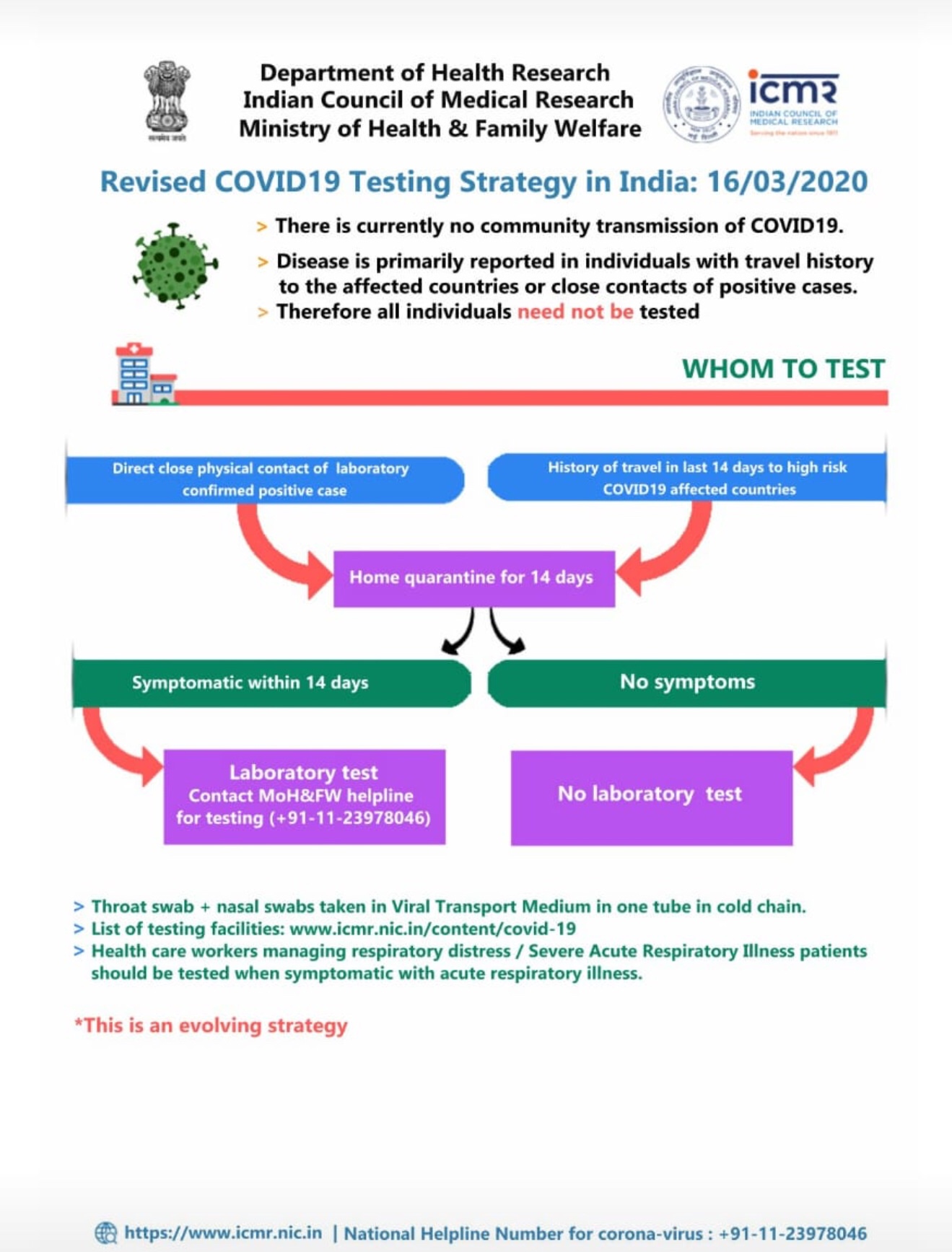
How should a SUSPECTED CONTACT or a CLOSE CONTACT be managed? All people who are considered contacts with Covid-19 illness must be immediately quarantined. They should strictly follow all recommended preventive strategies with regards to social distancing, improving standards of personal and home hygiene as described above. They should be isolated from other family members for a period of 28 days from the date of exposure to Covid-19 or from the date of return from a Covid-19 country or territory. Prophylactic dose of HydroxyChloroquine Sulfate may be tried after discussing with your doctor. The 14 day quarantine may have been increased to 28 days recently. However please note that testing is for the symptomatic contacts only.
How should a SUSPECTED CASE be managed? Mildly symptomatic patients can be managed at home. They should be strictly isolated at home. All recommendation regarding social distancing and improved personal and home hygiene must be immediately enforced. The patient must be kept away from family members and must use a mask at all times. It would be better for him to get tested for Covid-19 and also admitted in case of worsening symptoms of increasing cough and breathlessness. Patients with severe symptoms of constant dry cough with increasing breathless must be immediately admitted to the Isolation Ward of the (Government or certified Private) hospital. All relevant tests would need to be taken (including Covid-19 testing). Chest X-rays and HRCT scans of the chest would need to be done to identify those with Viral Pneumonia with risk of rapid deterioration to ARDS (Acute Respiratory Distress Syndrome). If hypoxic, patients would need supplemental O2 (by nasal prongs/Face mask/ High flow non- rebreathing masks/Non-Invasive ventilation etc) and may need treatment in the ICU. Appropriate early treatment will prevent deterioration in many patients. Apart from isolation and appropriate treatment , contact tracing and informing the relevant Government agencies would be mandatory. The Tamil Nadu state help line number is 044-29510500, National Help line 011-23978046 and email id is ncov2019@gov.in.
How should you manage a PROBABLE CASE of Covid-19? A probable case of Covid-19 must be isolated and treated according to his symptoms. A Covid-19 test may be repeated after 2 days.
How should a CONFIRMED CASE of Covid-19 be managed? A Confirmed case of Covid-19 must be admitted and Isolated. a. They must be treated symptomatically with antihistamines, cough syrups and nebulisers b. Supplemental O2 must be given for those who are hypoxic. c. ICU care has been found to be useful in managing patients who are very ill. d. Non-invasive ventilation with high O2 flow and cPAP has been found to be useful. e. Restrictive fluid prescription has been found to be useful. f. No medication has been proven to be curative. However Hydroxychloroquine Sulfate along with Azithromycin has been used with some success ( more rapid reduction in inflammatory markers and reduction of Viraemia) in China. Newer Antivirals (Lopinavir- Ritonavir) and Corticosteroids haven’t been found to be useful. IL-1 antagonist and Inhaled GMSF have been used in experimental studies. g. If intubated and ventilated, Prone ventilation is helpful h. Patient may be discharged once he has fully recovered symptomatically and repeated nasal swabs are negative for Covid-19.
What are the tests that are useful in a hospitalised patient? The following tests have been found to be useful in monitoring the progress of hospitalised patients and in identifying those who will progress from mild to severe infection. • Total white cell count • Neutrophil Lymphocyte count ratio >3.13 • Increasing LDH • Increasing D-Dimer • Increasing Ferritin • Increasing Troponin-I
Although this is not done in India, the PCR was tested on every alternate day in China until it became negative.
Who are the patients at highest risk for severe Covid-19 infection? Read Answer 3
Do we have any preventive treatments available? Preventive treatment may be considered for people who have had a close contact with a proven case of Covid-19 infection or have returned from a Covid-19 prevalent area or have worrying high risk factors. Preliminary information available from China suggests that Hydroxy Chloroquine Sulphate and Chloroquine may be beneficial. As these medicines have side effects, I recommend that you contact your doctor for advise.
What do we know about testing for Covid-19? A PCR (Polymerase Chain Reaction) test is now available to diagnose SARS-CoV2 infection. However, there is a shortage of kits in our country. It was recently in the news that MyLabs of Pune have a new kit that not only costs Rs1200/- but also gives quicker results. The currently available tests cost about Rs.4500-5000/- and the kits are imported.
With regards to who should be tested, the CDC guidelines suggest that: the doctor exercises his clinical judgement the patient has compatible signs and symptoms of Covid-19 illness patient has a severe respiratory illness irrespective of pertinent history of travel and contact The CDC also recommends that hospital patients with respiratory symptoms, high risk symptomatic patients and those with history of recent travel or contact be given priority over others.
The following specimen yield the highest results on PCR testing, BAL 93%, sputum 72%, nasal swabs 63%, brush biopsy 46%, throat swab 32%, faeces 29% and blood 1%.
The Pan-Corona Virus kits are not useful in detecting SARS-CoV2 infection. There is a new test measuring the IgM antibodies and is found to be 93% positive in suspected cases even when the PCR is negative.
Preliminary reports suggest that the PCR has a low false positive rate.
Home testing can be arranged in Chennai (Neuberg Labs) and this could reduce the risk of infection to others.
What are the myths and misconceptions circulating regarding the Covid-19 infection? The following perceptions are false: • All Covid-19 infections are fatal and everyone is going to die • Covid-19 only affects the elderly. If you are young, you won’t catch the infection. • The pandemic is all hype and fear mongering • Masks are enough to protect you from the virus • A vaccine is already available for use in prevention • Pneumococcal vaccine will protect against the infection • Antibiotics can cure the infection • Vitamin C is protective against the infection • Using Gaumuthra will clear the infection • Summer (warm and humid weather) will prevent the spread of the infection • Herbal remedies would protect and cure you of the infection • Applying alcohol to skin will protect you form the virus • Drinking alcohol will protect against the virus • Eating non-veg foods can cause corona virus infection • If you can hold your breath for 10 sec, you don’t have COVID • Taking a hot bath will prevent corona virus infection • Mosquitoes can transmit the infection • Handheld dryers are effective in killing the new virus • Thermal scanners can detect the virus infection
What can we do to slow down and arrest the spread the infection in our community? The SARS-CoV2 infection is best avoided and prevented than treated. We must do everything to prevent the spread of the infection in the community.
I recommend the following:
Stay at home, “let outsiders stay outside your home”. That includes the domestic help! If you must, keep them with you 24 X 7. Keep safe distance from all (including family members) Restrict travel outside home to the barest minimum – to buy essentials only Avoid direct contact with neighbours and friends. Exercise alone! Avoid gatherings of more than 4 people (including family) Bathe twice daily Wash your hands for 20 sec every 20 min with water and soap – especially if you touch your face. Surface disinfect your house, tables, chairs, switches, knobs, handles etc. Wash hands after touching anything that may be touched by others such as plastic bags, food parcels, milk bottles and packets, fruits and vegetables etc. Wear a mask if you are going outside your house. Wear a mask inside your house if you are coughing. Make a time-table, plan your day and keep your mind engaged. Avoid negative thinking and negative people (especially on social media). Stay positive and cheerful. Develop your own support group, people who can keep you cheerful and provide help in case of an emergency. This is a best time to reconnect with all your friends and long lost family. Take an antihistamine and cough syrup if you even have a minor cough, runny nose or sneeze. This will make all around you more comfortable and reduce the risk of Covid19. Take all your vitamins, supplements and Green tea and anything else that you may take to stay healthy. Even if it has not been shown to protect you from Covid-19, it will keep your immune system “fighting fit”. Do your daily exercise (albeit alone), yoga meditation etc. Stock up provisions but don’t hoard and cause a shortage in the community. Contact your doctor for any health queries. Most of us will be happy to help online!
So isolate, isolate, isolate, keep clean, don’t panic, take treatment over phone and go to the hospital only if you have breathlessness!
Mammography is the preferred method of detecting early Breast Cancer or to evaluate a breast lump. In fact it is the most reliable method of detecting a breast mass before it can even be felt by the examining hand. Slow growing tumours can be detected nearly 2 yrs before they can be felt by the doctor’s hand. Therefore routine screening is widely advised. On the brighter side only one third of the abnormalities detected by screening mammography are found to be cancerous. (Sensitivity 60-90%). The pick up rate depends on the patients age, breast density, tumour location and size, histology on biopsy. The tumour may be detected late in young women with dense breasts as compared to older women with fatty breasts.Smaller tumours especially those that aren’t calcified may also be more difficult to spot on the mammogram.
When should you get a routine mammogram done?
Different medical agencies have slightly different recommendations regarding the timing and the frequency of the screening tests. For the sake of not causing any confusion to the reader, let me tell you that screening mammogram can be started from the age of 40 yrs onwards. It must be done every year and must continue until that age of 74 yrs or till the estimated life expectancy is shorter than 7-10 years. The frequency can be reduced to once in 2 years after the age of 55 yrs. The doctors are advised to help the patient make informed decisions regarding the risk of false positives and over diagnosis Vs the benefits of early diagnosis.
What are the indications for mammography?
The following are some of the indications for mammography:
1. Routine screening in asymptomatic women
2. Evaluating after a diagnosis of Cancer is made and at regular intervals thereafter to monitor disease (same and opposite side)and response to treatment.
3. Evaluation of a breast mass (before biopsy)
4. Search of an occult breast cancer in those with a lymph node enlargement in the arm pit
5. Screening before cosmetic breast surgery.
Who has a high risk for breast cancer and would benefit from Routine mammography?
1. Age : risk of breast cancer rises rapidly until the early 60s, peaks at 70 and declines after that.
2. Positive Family history of Breast cancer or Ovarian Cancer. If a woman has a family history of 2 first degree relatives diagnosed <50 yrs of age especially if they are pre-menapausal, bilateral breast cancer or male breast cancer, that portends a higher risk.
3. Certain races – Ashkennazi jews and caucasian women are at a higher risk. People of Afro-caribbean descent have worse prognosis when they have breast cancer.
4. Hormonal exposure: Nulliparous women or those who have had their first pregnancy after the age of 30, early menarche (<12 yrs) and late natural menopause (>55yrs) are at a higher risk for breast cancer. Women on combined Oral contraceptive pills and those who receive post menopausal HRT with both Estrogens and Progesterones.
5. Life style: Obesity and lack of exercise, Alcohol intake and high dietary fat intake and a higher socioeconomic status can increase the risk too.
6. History of cancer: Women who have already had a cancer of one breast or of Endometrial cancer are at a higher risk for breast cancer.
7. Germline mutations in the BRCA family tumour suppressor genes (accounts for 5-10% of all cases -BRCA1 and BRCA 2), p53 gene mutations and those with Ataxia telangiectasia.
How do you interpret a mammogram?
1. To note down the indication for the test. Routine screening, accidentally detected breast lump (self detected or by the doctor), painful breast lump or other causes.
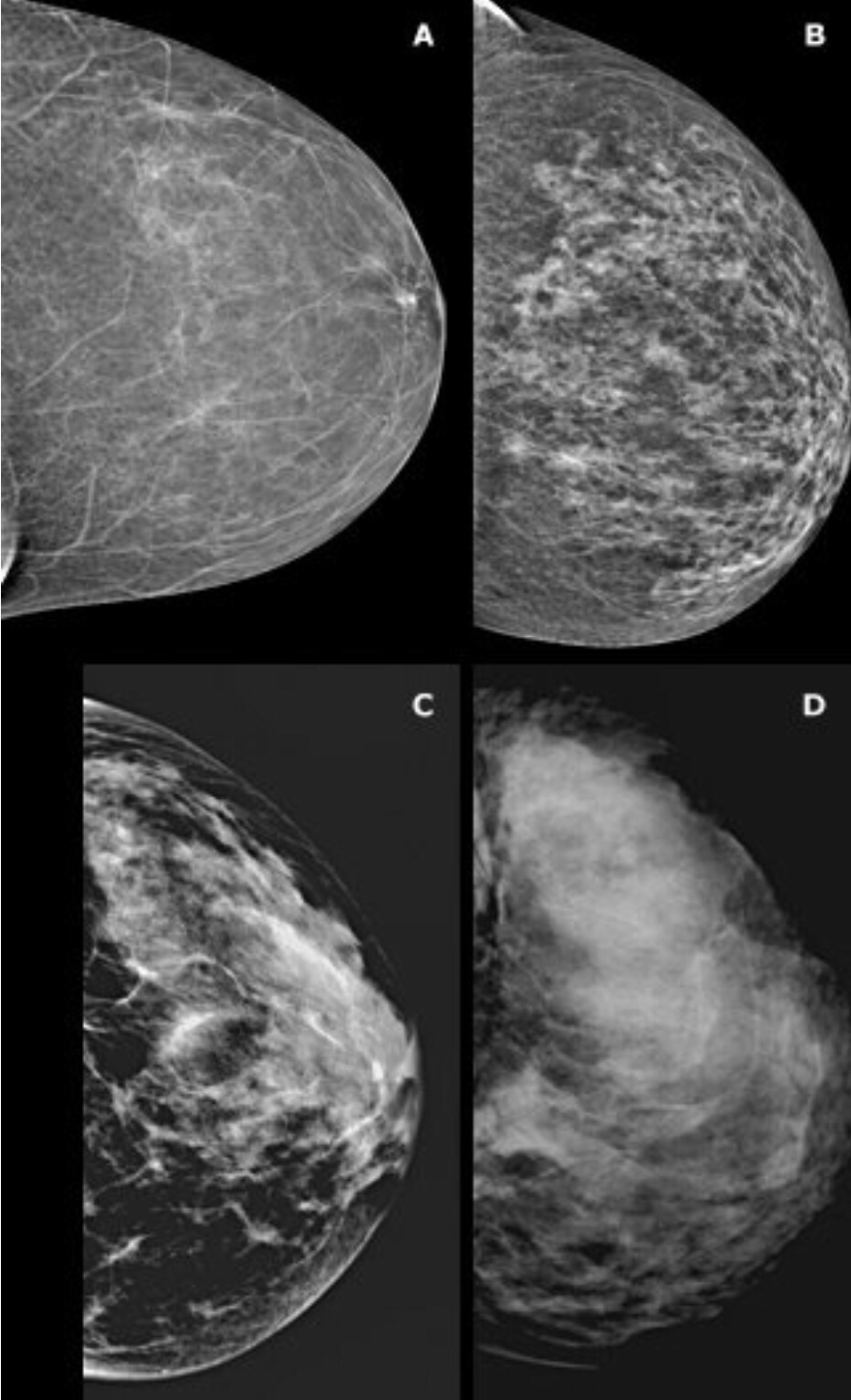
2. The Overall composition of the breast including its density. Younger women have denser breasts which reduce the sensitivity of the mammogram test in identifying sinister pathologies. The mammogram is more sensitive to pick up lesions in older women with fatty breasts (with less glandular breast tissue).
A – almost entirely fatty
B – Scattered areas of fibroglandular density
C – heterogeneously dense
D -extremely dense
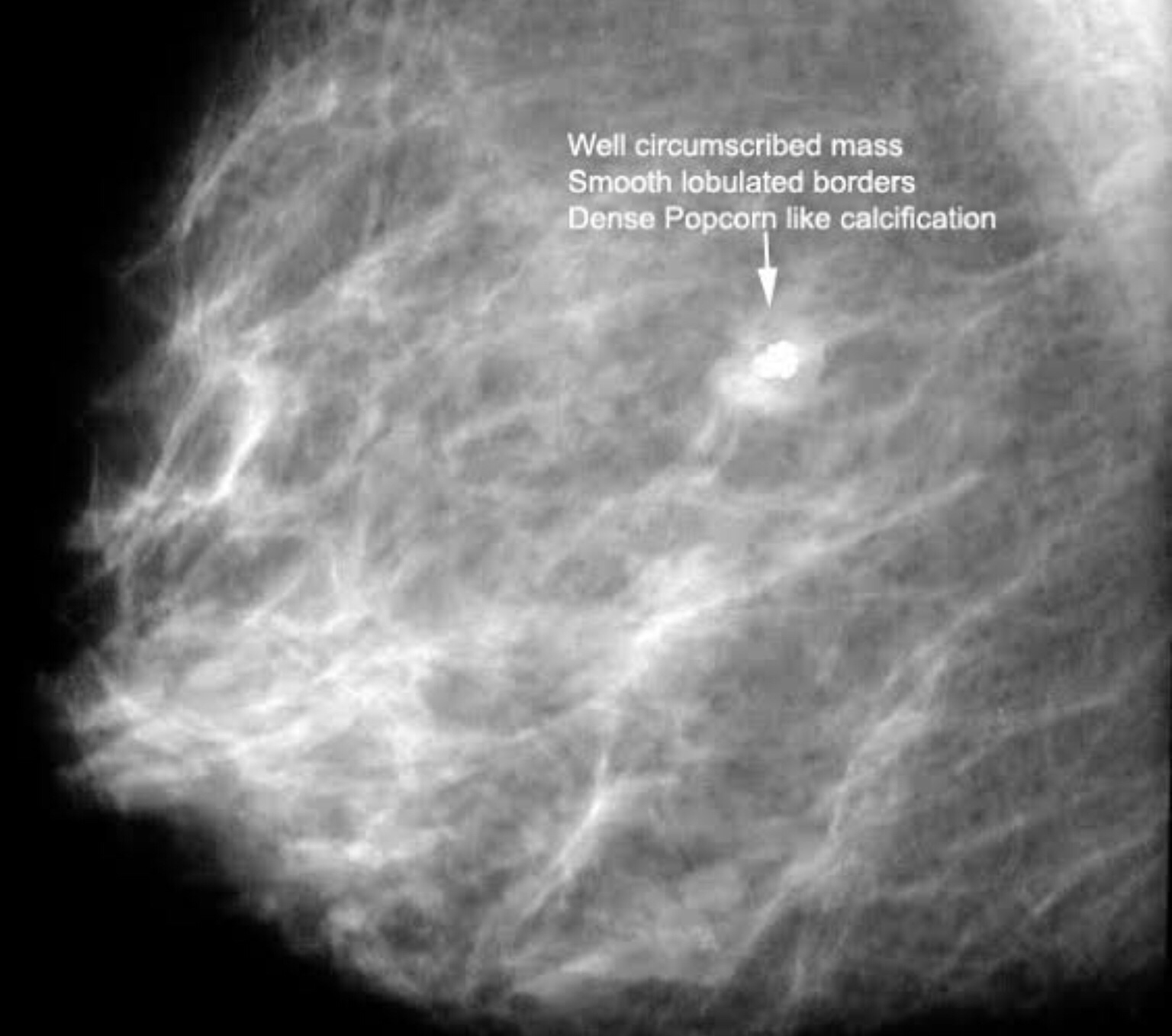
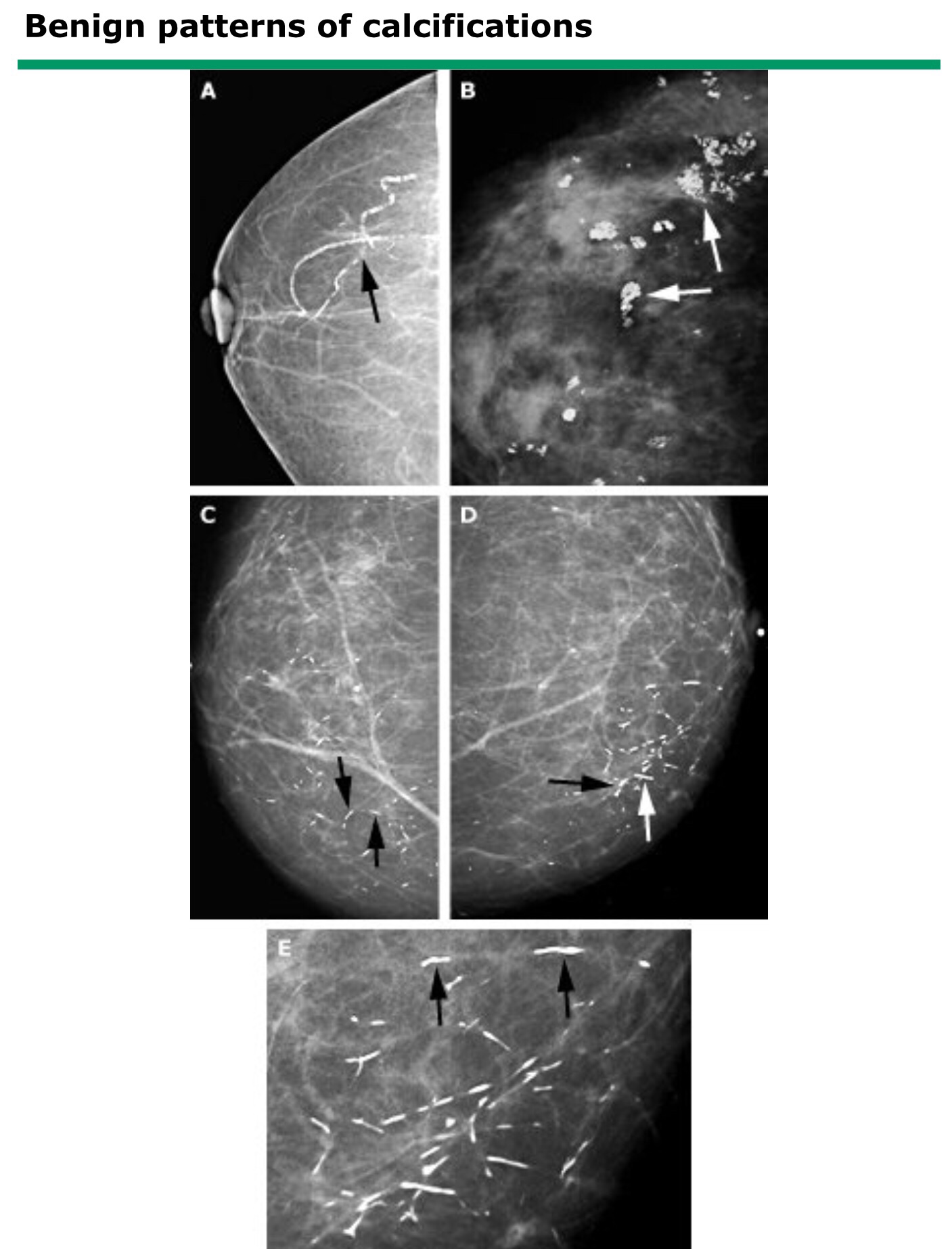
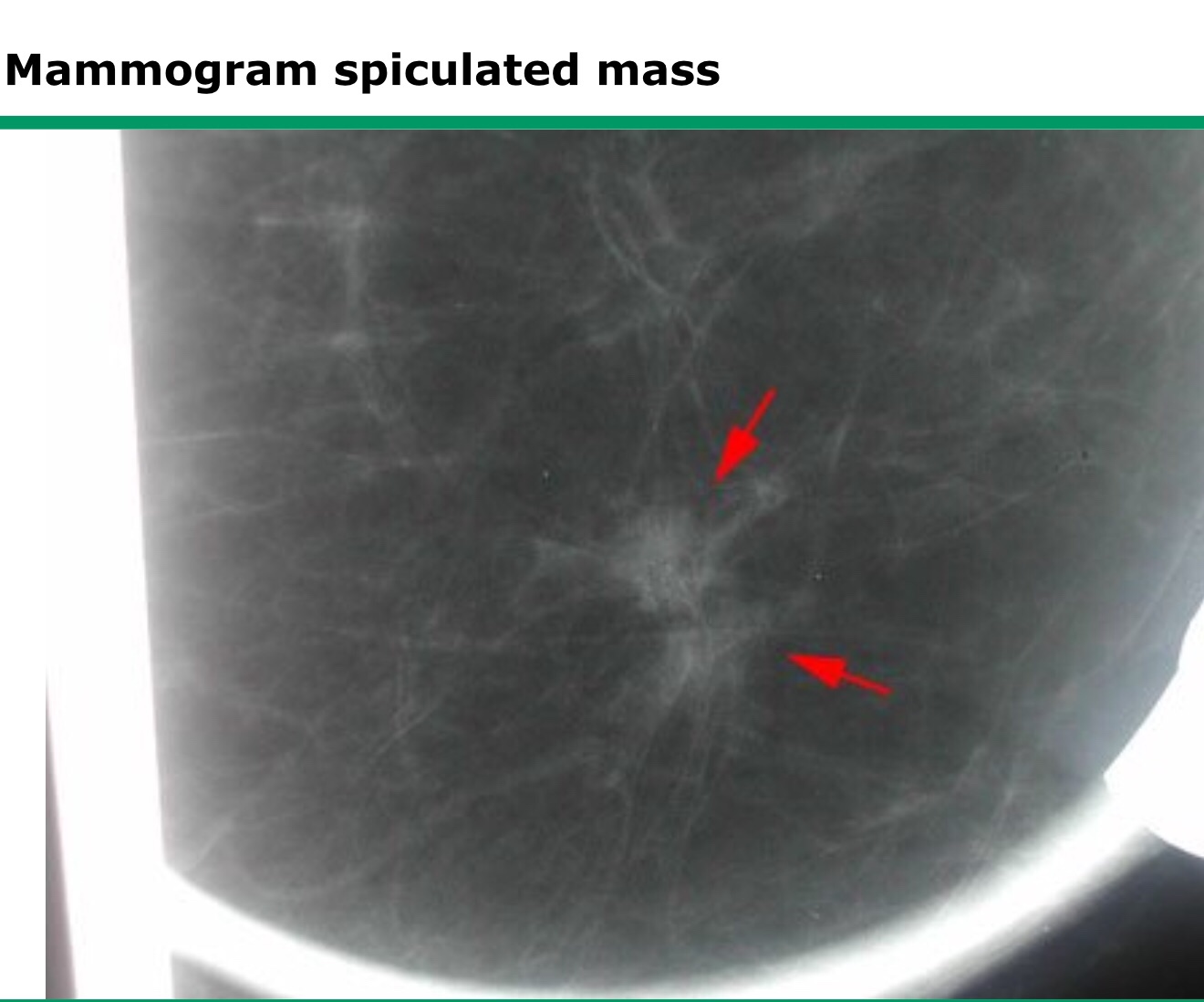
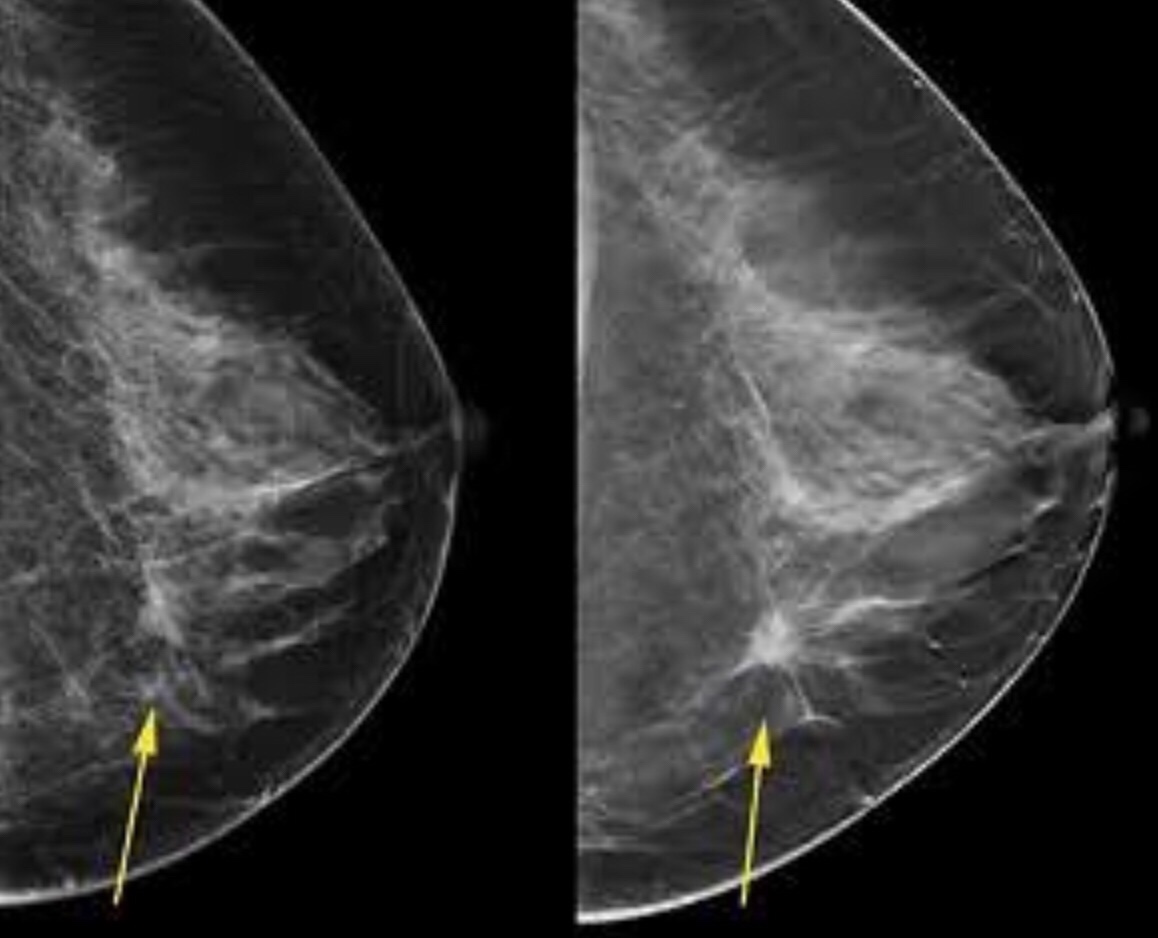
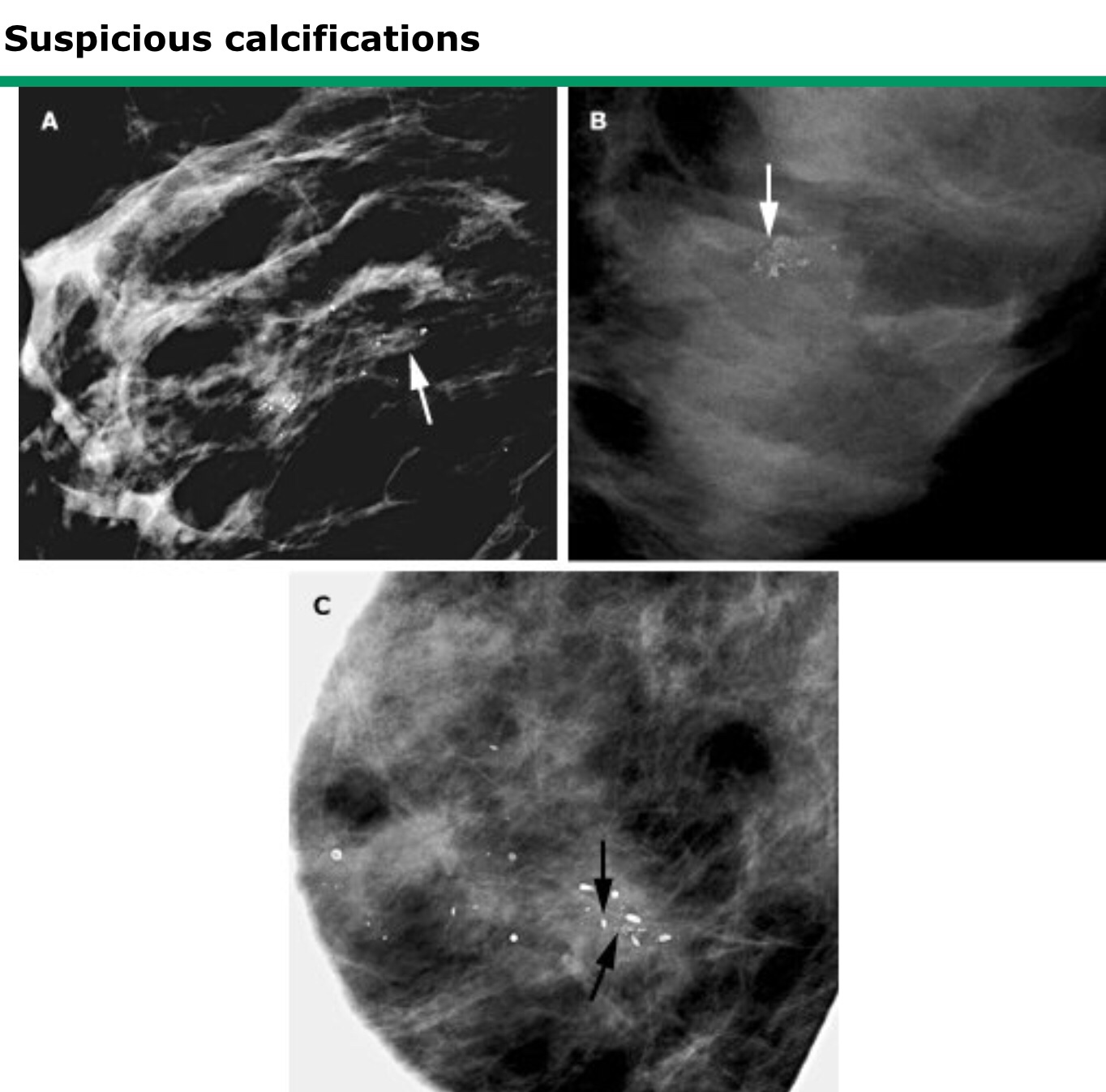
3. Description of abnormalities: Density of breasts and calcific spots. Finely granular, popcorn like, vascular calcification suggest benign disease where as spiculated lesions, lesions with pleomorphic calcifications ( varies shapes and sizes), V or Y shaped calcifications would suggest an underlying neoplastic process.
4. The latest mammogram must be compared with the previously done study to look for interim changes and worsening of abnormalities.
5. The opinion must be summarised with advice for further management.
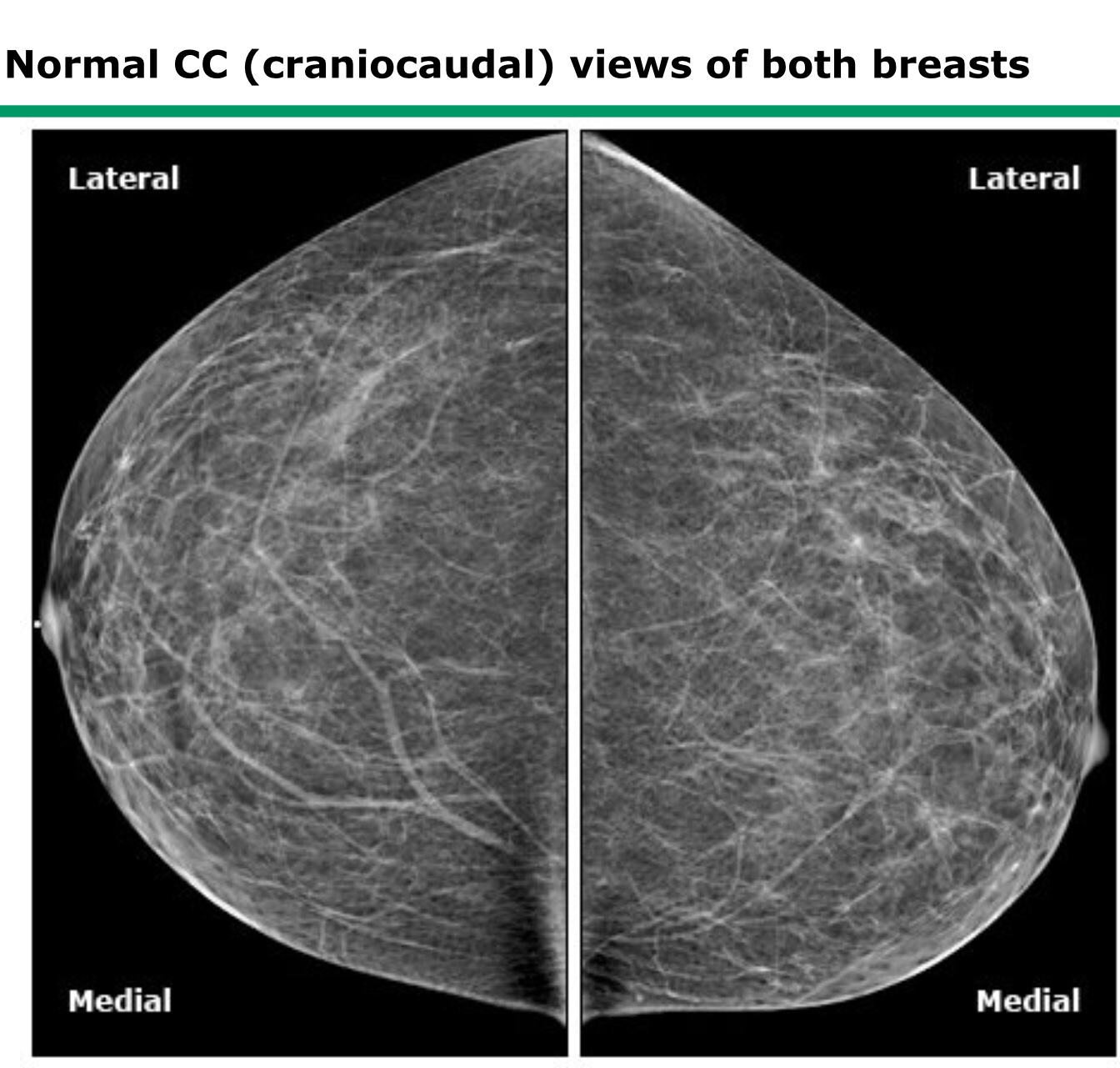
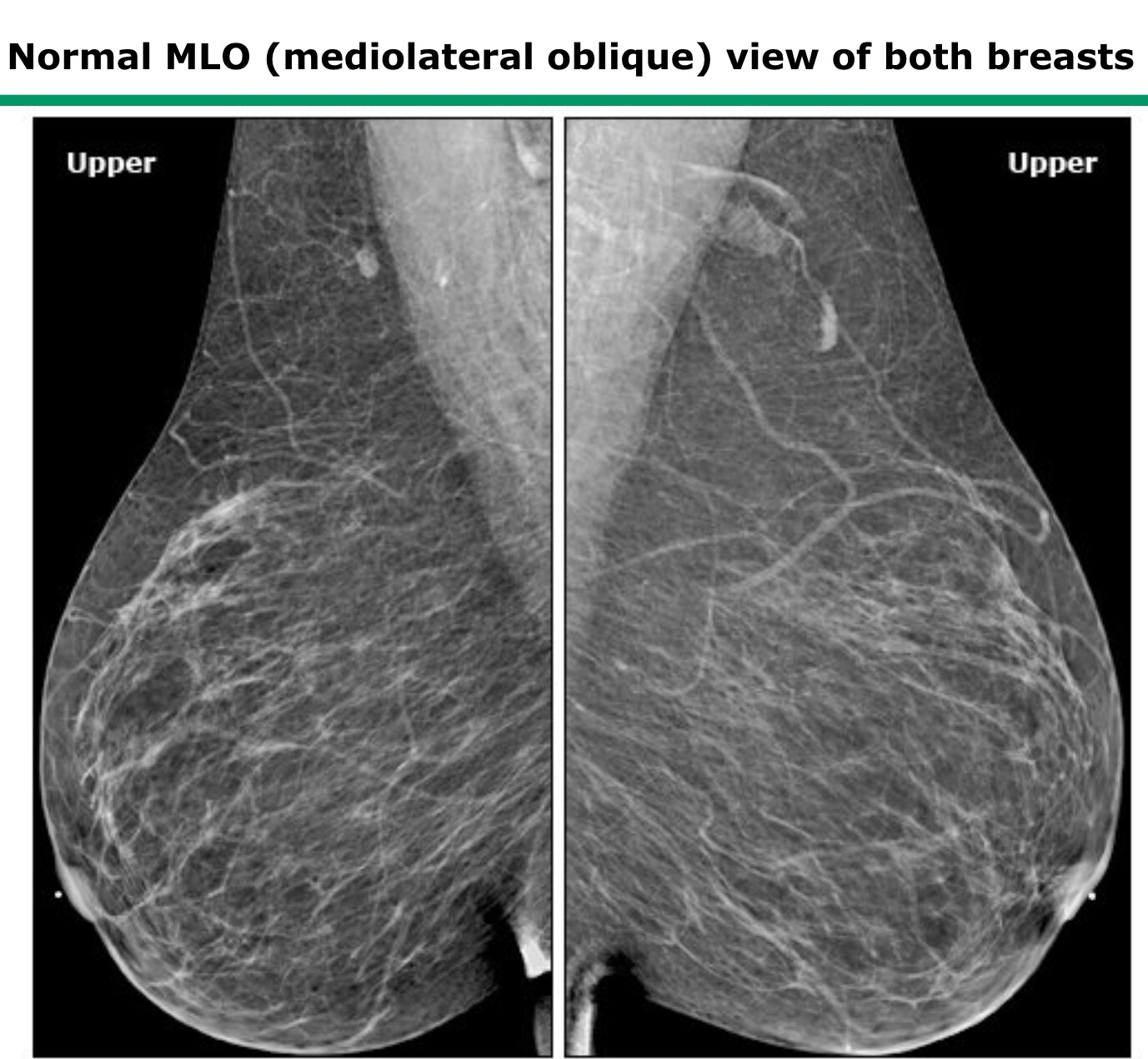
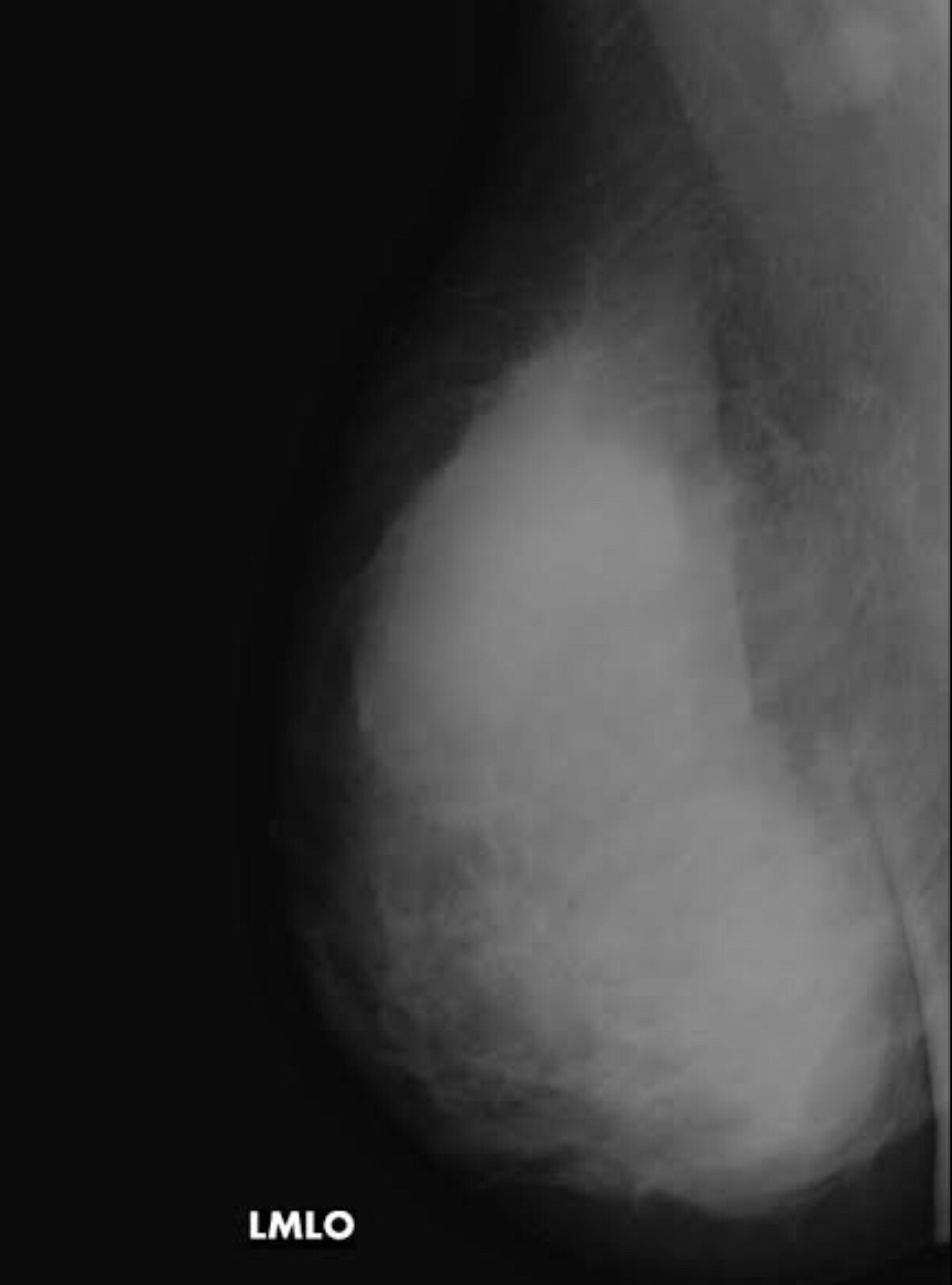
In a mammogram both breasts are viewed simultaneously as mirror images.The upper half in the craniocaudal view (CC) represents the outer portions of the breast and the lower half represents the inner parts of the breast.
H
Correct positioning of the breasts would be very important in obtaining good pictures. In the MLO views the Pectoral muscle shadow must be seen and the breast must be adequately compressed to get the best pictures. Inadequate compression would cause superimposition of the tissues
Benign Breast lesions
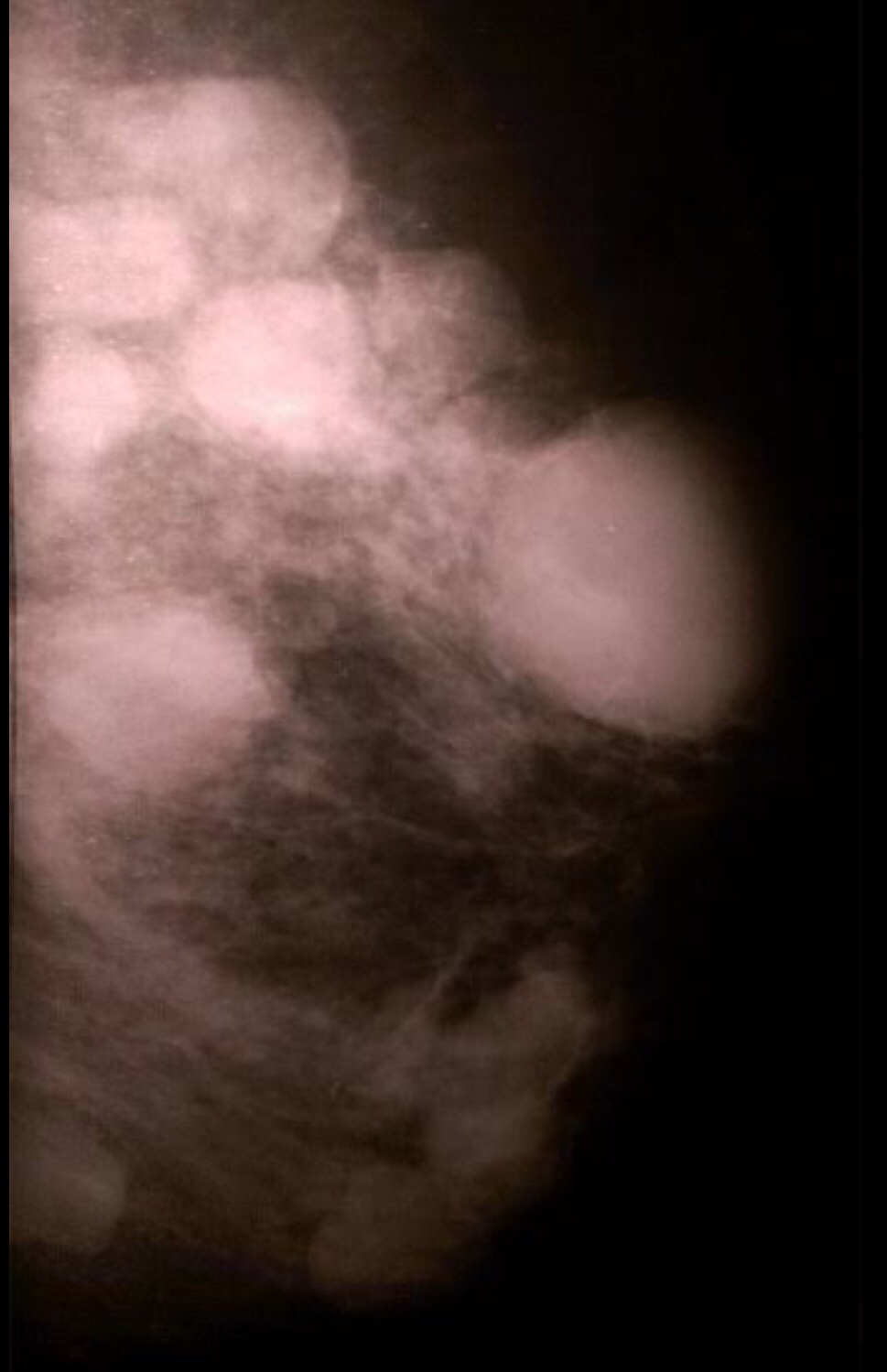
Fibroadenoma- is referred to as the Breast mouse- most often is detected as a small lump that moves inside the breast. They may be single or multiple as on the picture on the right below! The lumps are smooth walled and well defined.
The picture to the left shows a “popcorn” calcified Fibroadenoma.
Fibroadenosis: refer to lumpy breasts often painful with a rope like texture to feel. This condition is also referred to as Fibrocystic disease of the breast.
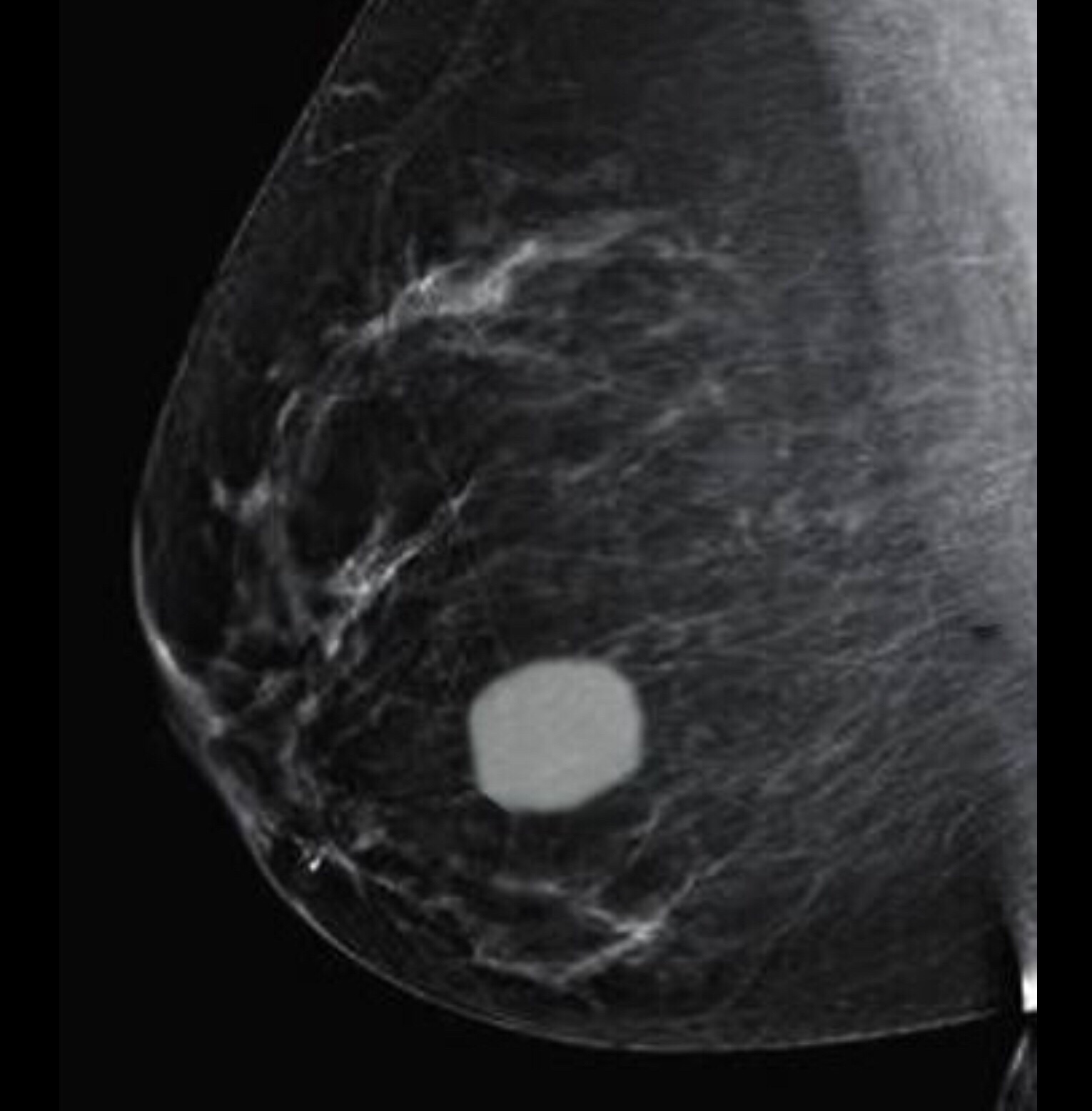
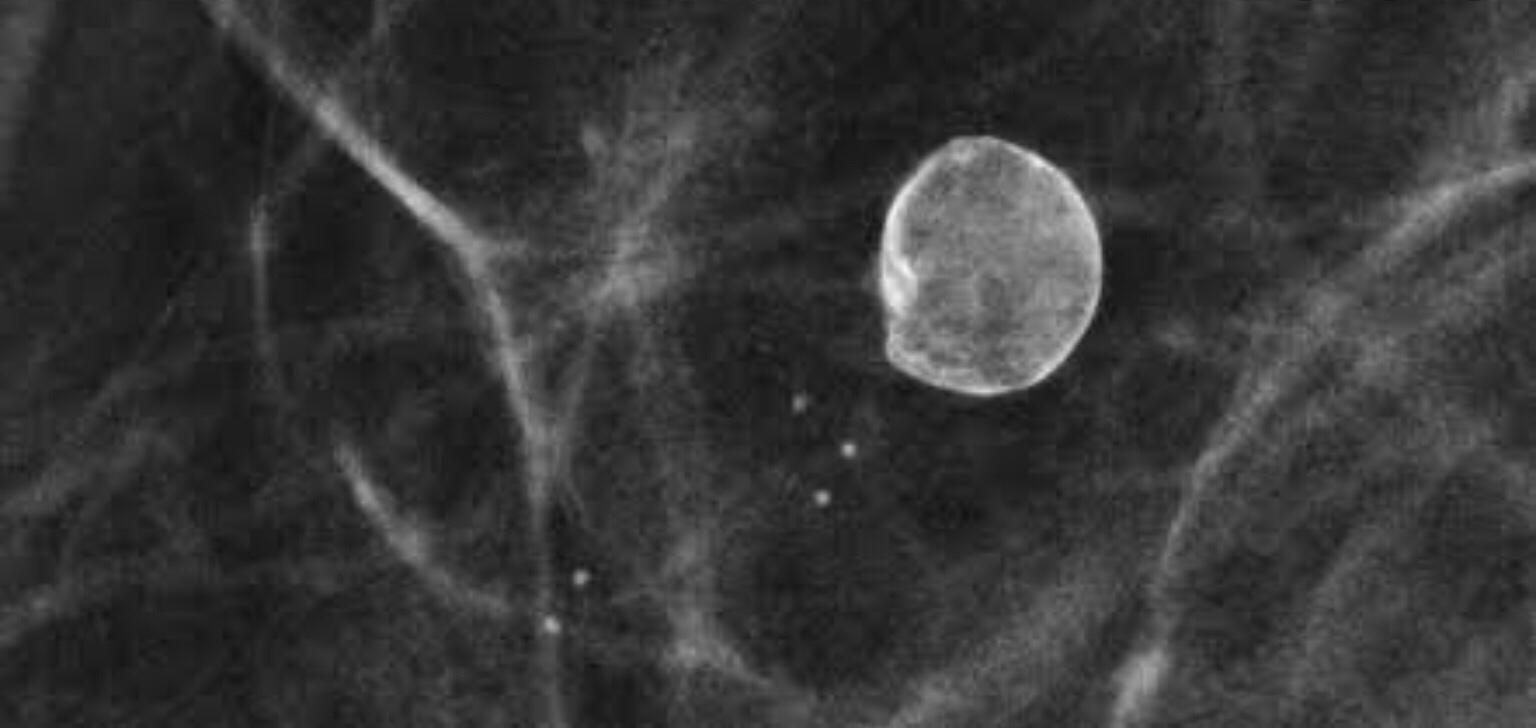
Simple Breast cyst: cysts are fluid containing cavities and are very well seen on the Ultrasound of the breast. But this is how they would appear on a mammogram. This thin walled cyst is accompanied by small smooth round to oval calcifications suggesting a benign lump.
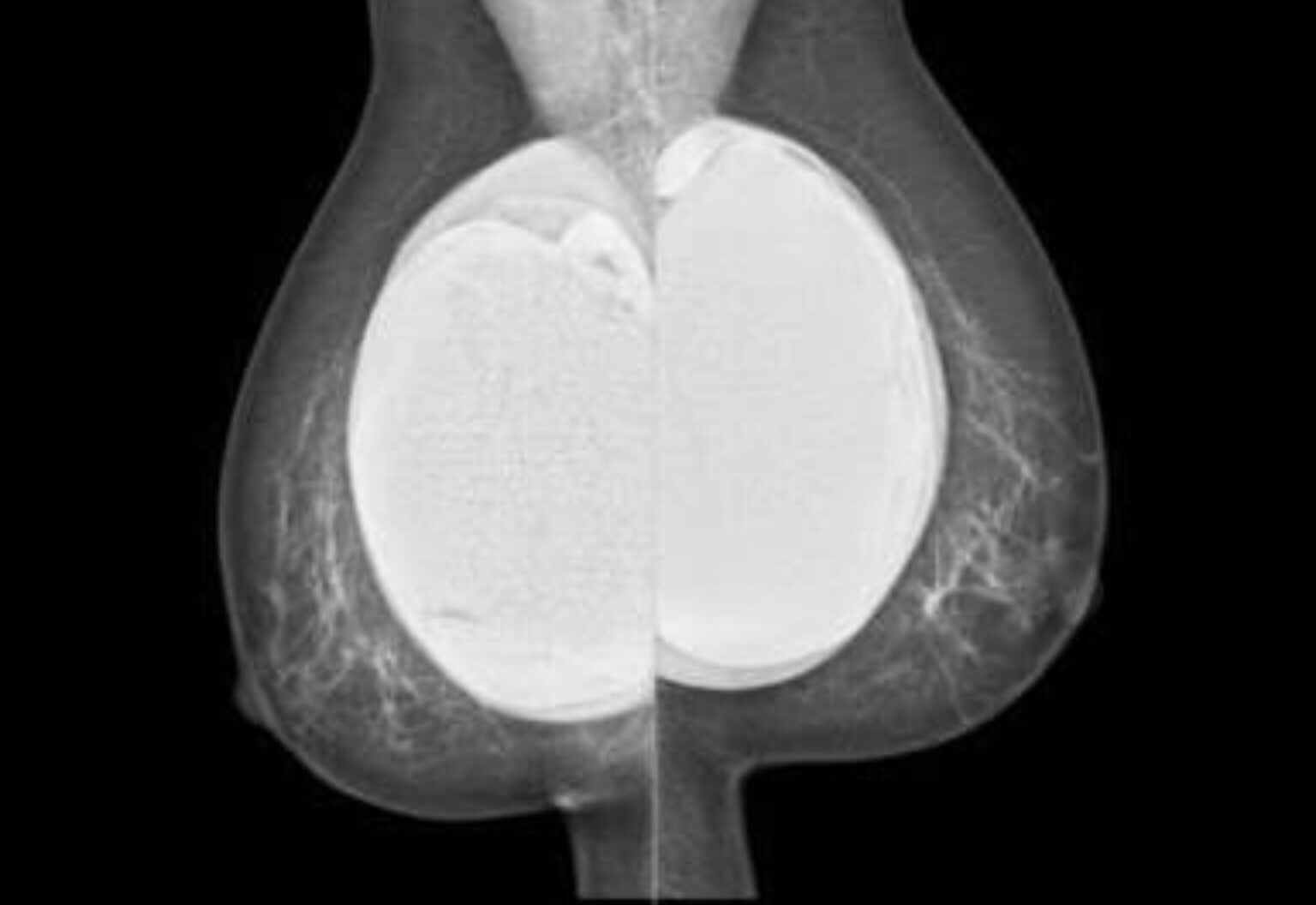
Breast Implants: Breast augmentation is one of the most common and popular cosmetic surgeries that women undergo. This is how they would appear on the mammogram.
Breast implants make mammography more difficult and can obscure small lesions. Mammography can also help detect implant related problems such as rupture, capsular contraction etc.
Benign Calcification of the breast:
A – vascular calcifications
B – popcorn calcification
C & D – benign secretory calcifications
E – cigar shaped calcifications.
Malignant lesions:
Spiculated lesions with greater density indicate malignancy. Certain patterns of calcification also suggest malignancy.
Clustered irregular microcacifications also suggest malignancy especially when there is distortion of the surrounding breast tissue. V and Y shaped calcifications also suggest malignancy.
What should you do after getting the mammogram report?
The first thing that you should do with the mammogram is to show it to your doctor and ask him for his interpretation and advice. He might suggest that nothing needs to be done or he may ask you to repeat the test after a few months or he may ask for a few additional test such as an Ultrasound scan or an MRI of the breast. He may even advice you regarding a needle biopsy or surgery.
To summarise
Mammography is more sensitive in picking up lesions in the breast compared to examination by a doctor.
Birads 0,4 &5 require further evaluation. Birads 1 is a normal study. Birads would mean a benign disease of the breast. Birad 3 would mean that the test would need to be repeated after 6 months. A report of Birads 4 and 5 will be followed by a biopsy.
An MRI may be done for women with a high risk for breast cancer in addition to a Digital Mammogram (women with BRCA mutations, history of childhood radiation to the chest, a higher lifetime risk for breast cancer 20% and previous history of breast cancer) An MRI breast would also be useful in women with breast implants especially to detect rupture of implant.
An USG of the breast might be useful to differentiate solid from cystic (fluid filled) lumps of the breast.








 Dr Subash Rau - General Physician’s blog
You must be logged in to post a comment.